
Category: Positive Dog Training
-
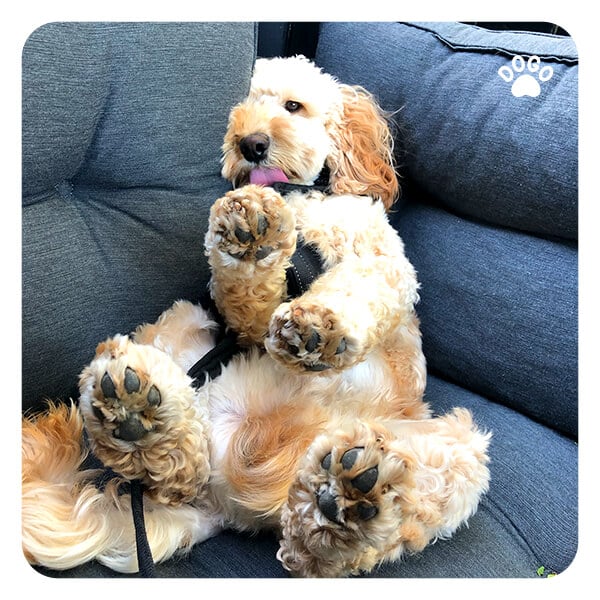
How to draw a dog paw?
Observe canine paw structure and materials first, then simplify forms and values so the drawing reads correctly from any angle. Tools and materials Choose basic supplies that match your preferred media and give predictable results when sketching and refining a dog paw. A reliable set of basic tools lets you focus on form and texture…
-
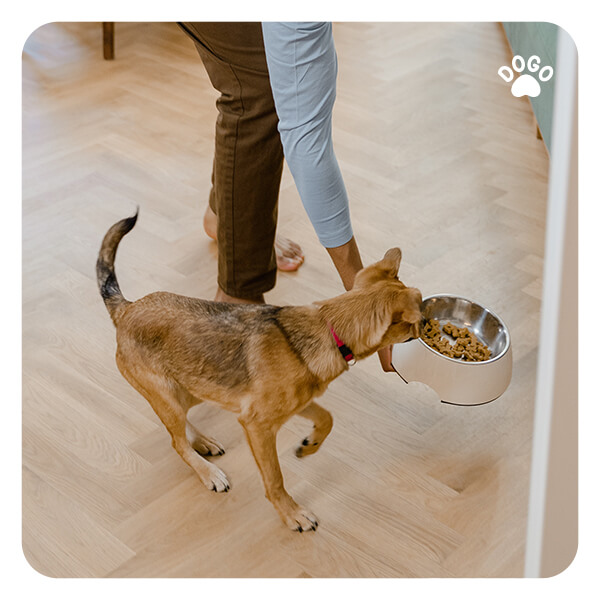
Types of Rewards in Training
Rewards in training take many forms and operate through basic learning principles to change behavior. Understanding the options helps designers match motives, context, and ethics to desired outcomes. Behavioral foundations Training approaches typically rest on operant conditioning, where behavior is shaped by consequences rather than by simple repetition; immediate consequences create clearer action–outcome associations than…
-
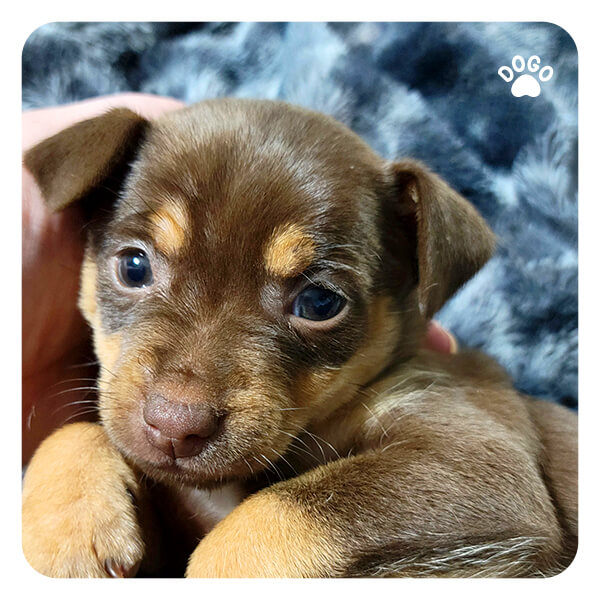
How to draw a cute puppy?
Drawing a cute puppy starts with choosing tools and understanding simple forms to build on, then refining with line, texture, and color. Materials and tools Select a small, focused set of supplies so the process stays approachable whether you work traditionally or digitally. For traditional sketching, a basic pencil kit covers most needs; a 2B…
-
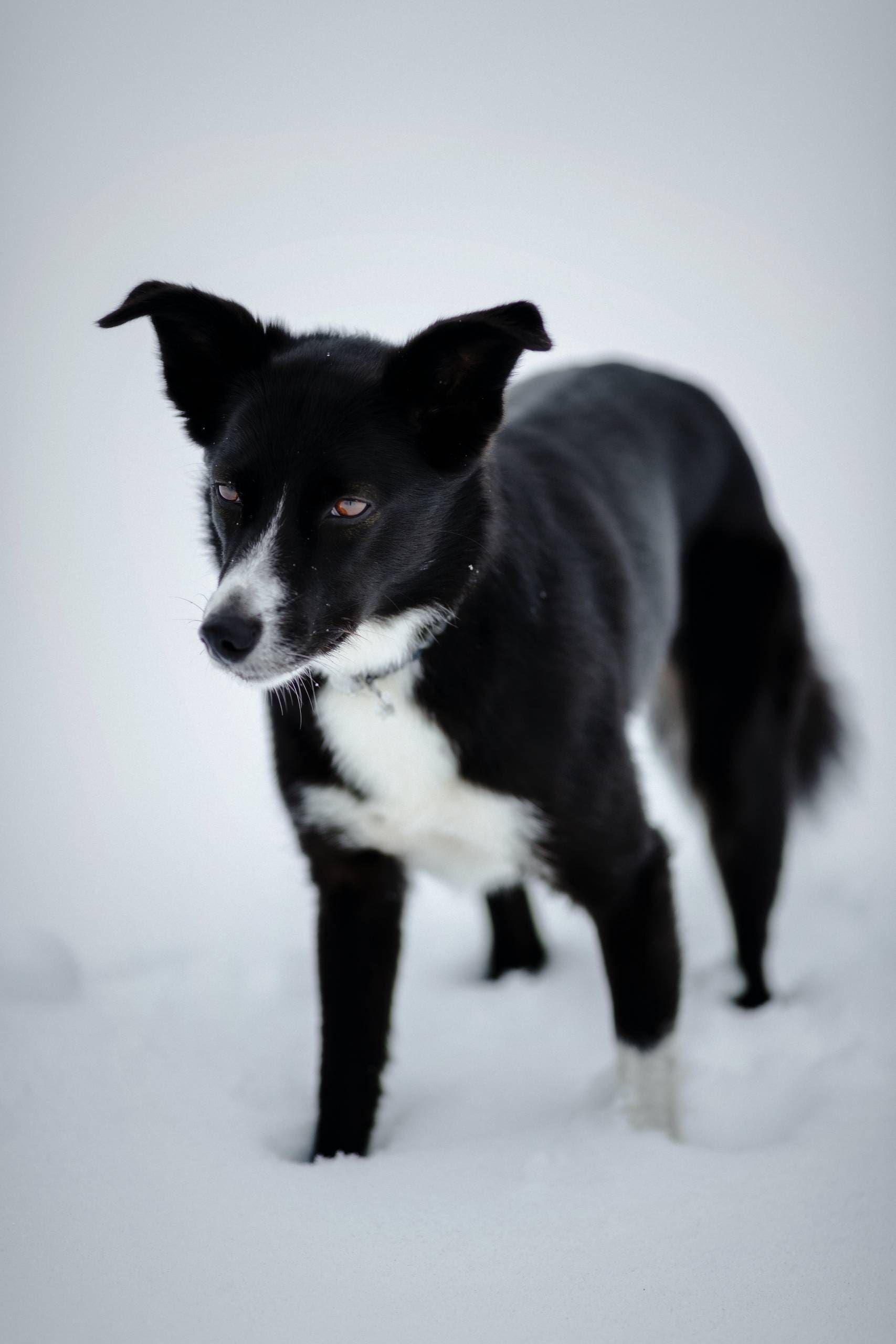
How to draw a cute dog?
Creating a cute dog drawing starts with clear choices about tools and a simple plan for shapes and expression to guide each mark. Materials and Tools Choose tools that match the scale and finish you want so the materials do not limit your approach. For traditional media, light sketching pencils, a soft eraser, a sheet…
-
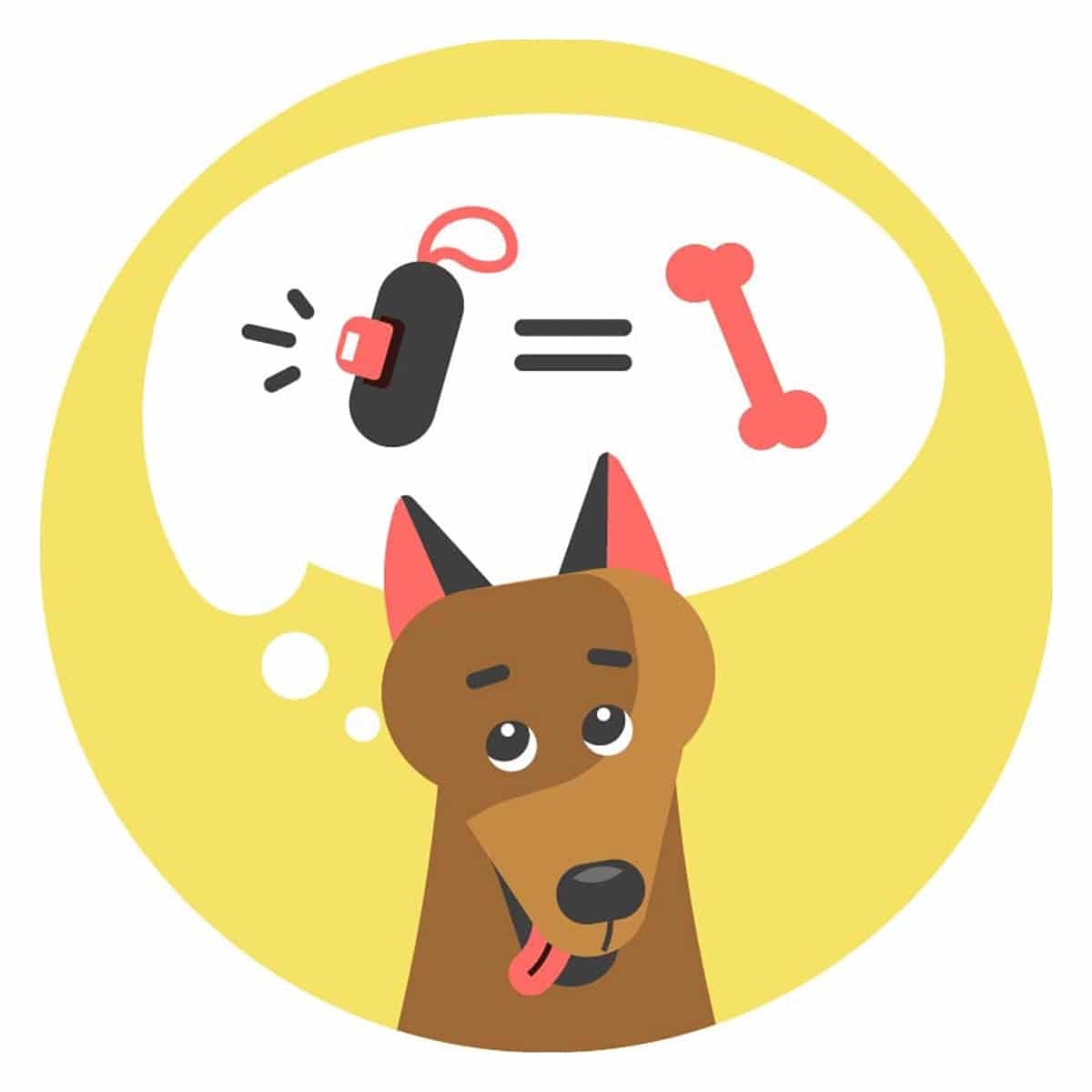
What is a Clicker? Why Should I Use It?
A clicker can mean a small handheld device, a smartphone app, or a simple sound used to mark or record an event during instruction, training, or presentation. Recognizing the range of forms helps you match a model to your setting and goals. What Is a Clicker? At its simplest, a clicker is a deliberate, repeatable…
-
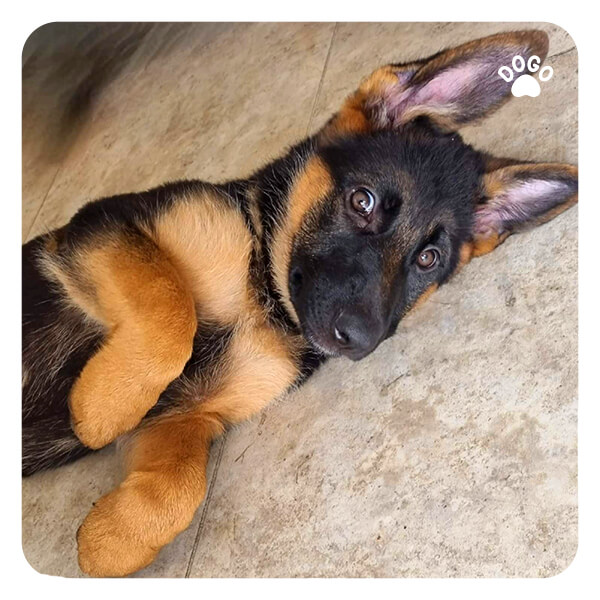
Food vs Play. What Does Motivate Dogs Stronger?
Dogs respond to a range of rewards, and the relative value of food versus play shapes training, wellbeing, and everyday interactions. Understanding which motivator is stronger for a particular dog helps owners and trainers choose the most effective strategies. Why motivation matters for dogs Reward value directly affects how quickly a dog learns new behaviors…
