
Category: Positive Dog Training
-

TOP 5 Dog Training Mistakes that Can Ruin Your Friendship
Strong training depends on clear communication, predictable structure, and attention to your dog’s emotional state to keep the relationship healthy and reliable. 1. Ignoring Canine Communication — Misreading or missing dogs’ body language causes misunderstandings that erode trust Dogs communicate primarily through body language, and effective handlers attend to a small set of reliable areas…
-
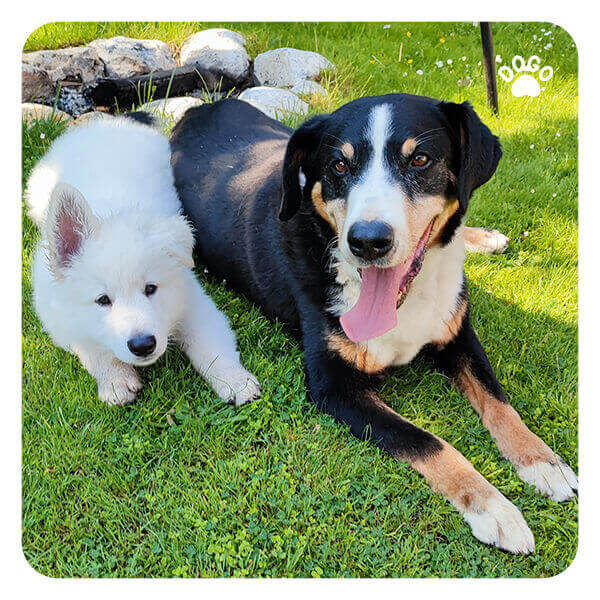
Greeting Other Dogs. What is the Etiquette?
Greeting other dogs is a routine part of canine life that affects safety, comfort, and social outcomes for both animals and people. Why Dog Greeting Etiquette Matters Proper greeting behavior reduces the likelihood of injury and stress by allowing dogs to exchange signals and assess one another calmly; allow 3–5 seconds for an initial sniff…
-
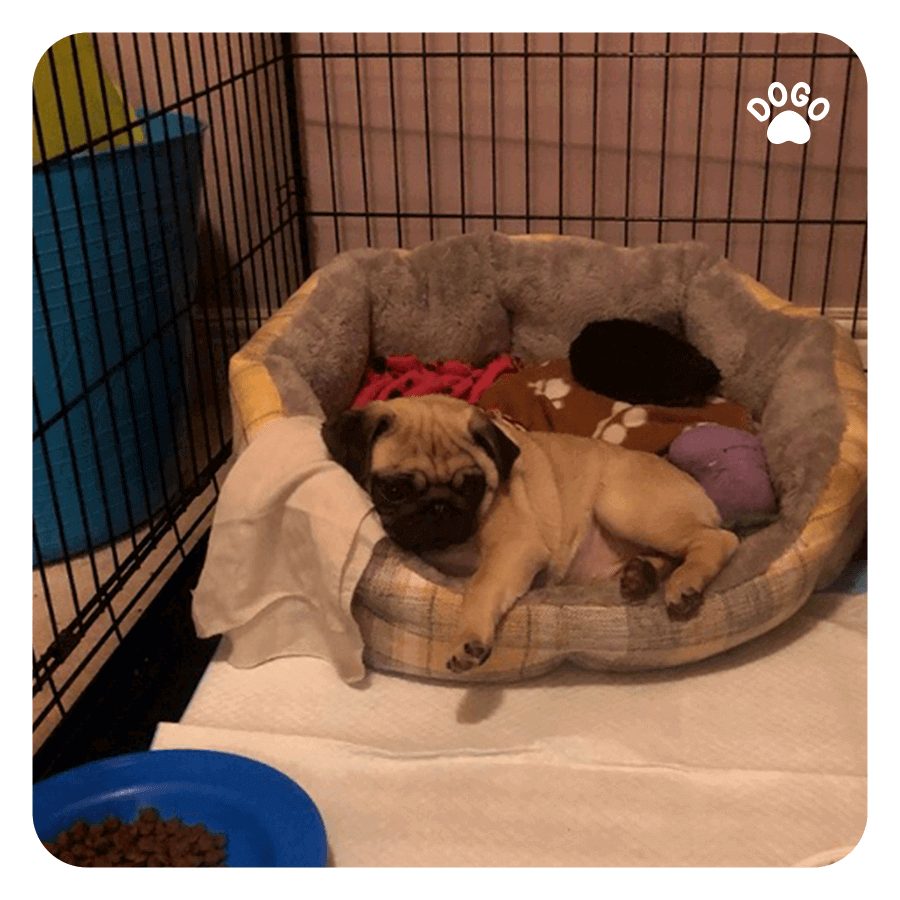
Crate Training for a Good Night Sleep
Crate training can clarify nighttime expectations and the physical sleep setup for a dog. Why Crate Training Improves Nighttime Sleep Crates tap into a dog’s den-oriented behavior and predictable containment to reduce common nighttime disruptions; many behaviorists recommend a gradual crate introduction over 1–2 weeks to build a positive association with sleep and alone time[1].…
-
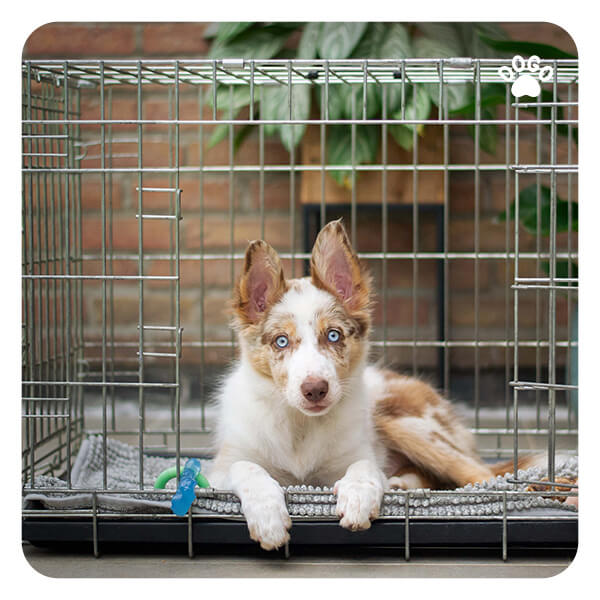
Crate Training 101
Crate training uses a den-like enclosure to give dogs a predictable, safe place to rest and to help owners manage house rules and travel needs. Benefits and core principles of crate training Crates provide a confined space that can reduce stress and prevent household accidents, and many veterinarians and veterinary texts discuss their role in…
-
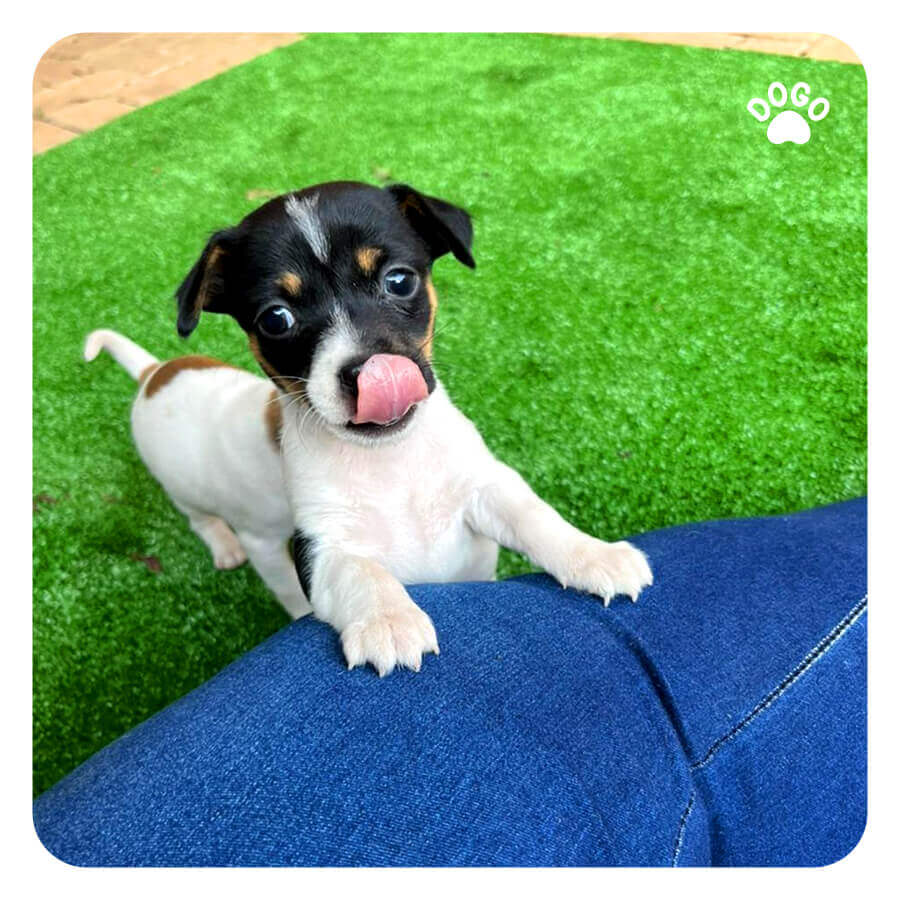
How to draw a puppy?
Drawing a puppy is an exercise in observing soft forms, playful proportions, and expressive details to convey youth and character. Materials & workspace Start with comfortable, reliable tools and a tidy workspace so your observation and marks remain consistent. Use a range of pencils and erasers suited to both crisp lines and soft tones; for…
-
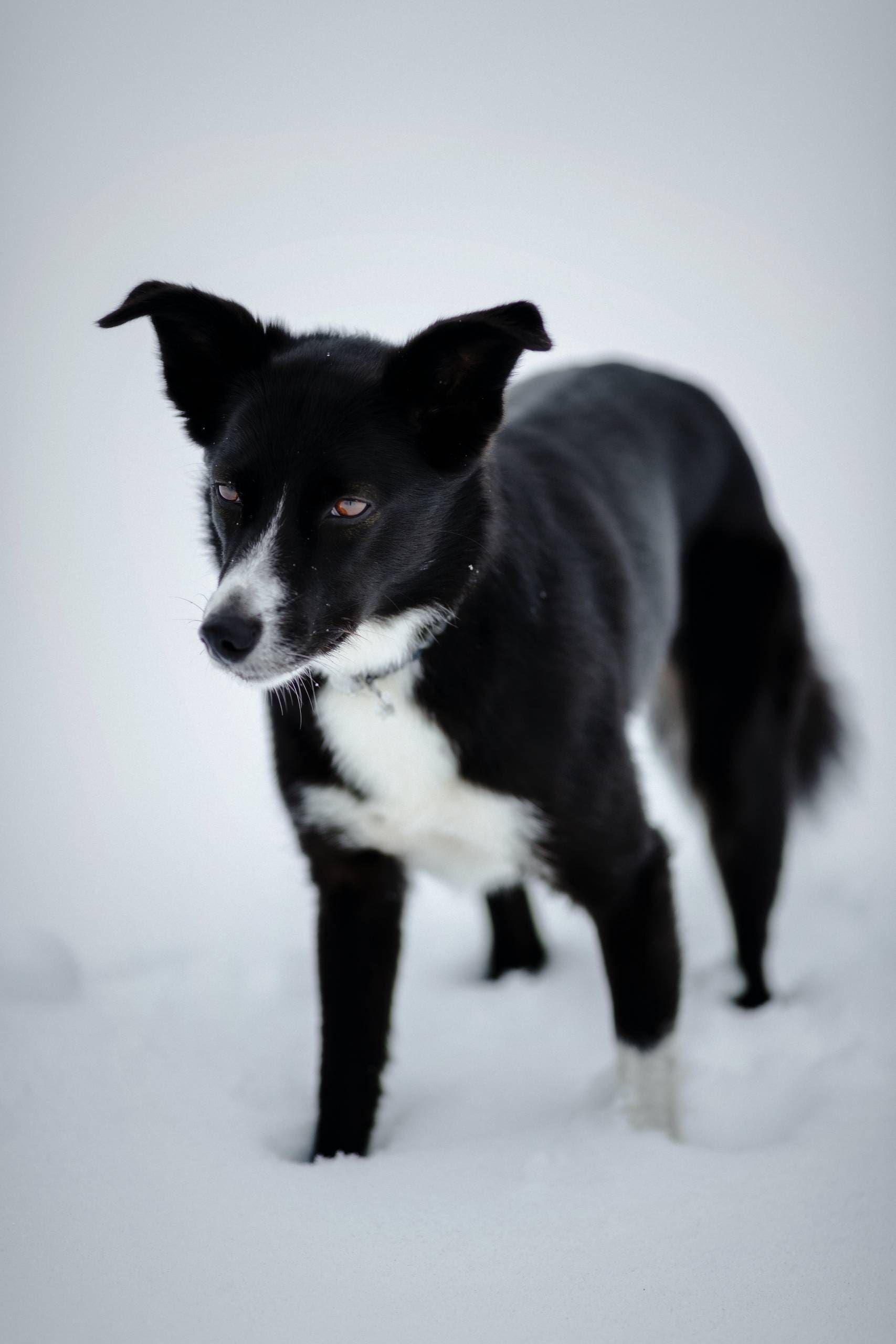
How to draw a dog realistic?
Realistic dog drawing begins with careful choices about tools, observation, and a clear understanding of underlying form and texture. Materials and workspace Select tools and a workspace that let you control line, value, and texture. Recommended tactile tools include a range of graphite pencils, a soft kneaded eraser and a firmer vinyl eraser, medium-weight drawing…
