
Category: Positive Dog Training
-

A Baby and a Dog in the House. Can They Get along?
A baby and a family dog can occupy the same household, but their interactions involve distinct behaviors, environments, and responsibilities that caregivers should understand and manage carefully. How dogs and babies interact — Explains the basic behavioral dynamics and mutual influences to set expectations. Dogs commonly respond to infants in one of three ways: curiosity,…
-

How to Train the Most Destructive Dog Ever?
Dogs can display behaviors that damage property or create safety risks, and it is important to focus on humane prevention and rehabilitation rather than causing harm. Ethical refusal and safer scope Intentionally training a dog to be destructive or to harm people or animals is unethical and, in many jurisdictions, contrary to veterinary and animal…
-
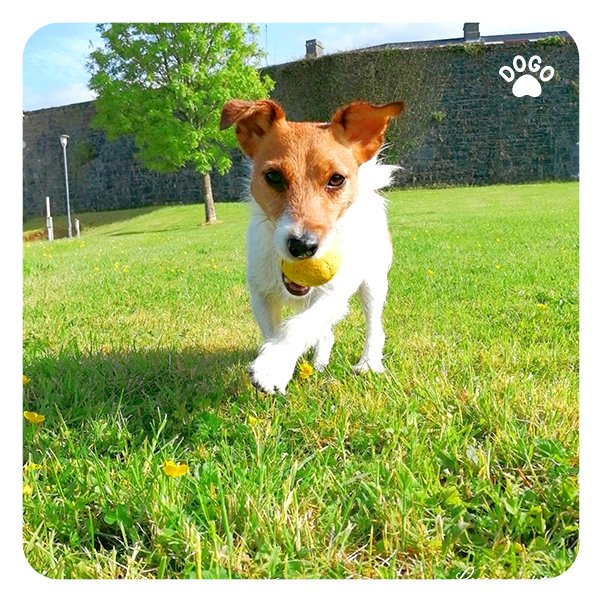
Dog Training with Shaping
Shaping is a training method that builds a complex behavior by reinforcing successive closer approximations to a final target. It relies on breaking tasks into measurable steps and delivering timely reinforcement for progress. Definition and Core Idea of Shaping Shaping is an operant-conditioning technique that uses the principle of reinforcing successive approximations toward a defined…
-
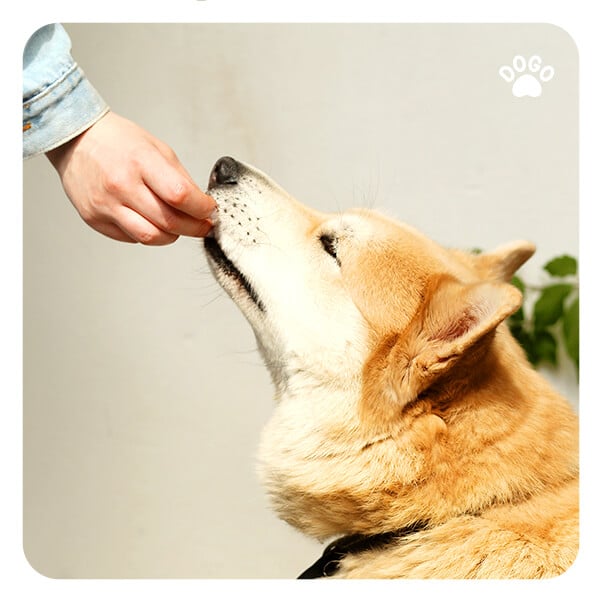
Throw Away the Food Bowl!
Stationary food bowls and foraging-style feeding are two different ways to present meals. Why the food bowl fails Static bowls concentrate calories in a single place and a single moment, which can mismatch the species-typical feeding style for many companion animals. Many pets can finish a standard meal in under 1 minute, increasing the risk…
-
Strengthen your Friendship Program
A structured friendship program connects participants through intentional matching, clear roles, and repeatable processes to support consistent engagement and growth. Define clear program goals and success metrics — Aligns leadership expectations and guides all design choices. Start by naming the primary objectives you want the program to advance, such as retention, wellbeing, onboarding support, or…
-

Dementia in Dogs
Dementia in dogs, commonly called canine cognitive dysfunction (CCD), is a progressive condition marked by changes in memory, learning, perception, and behavior that affect daily function and quality of life. What is Canine Cognitive Dysfunction (CCD)? Canine cognitive dysfunction (CCD) is a neurodegenerative syndrome in older dogs that is analogous to age-related cognitive decline in…