
Category: Positive Dog Training
-
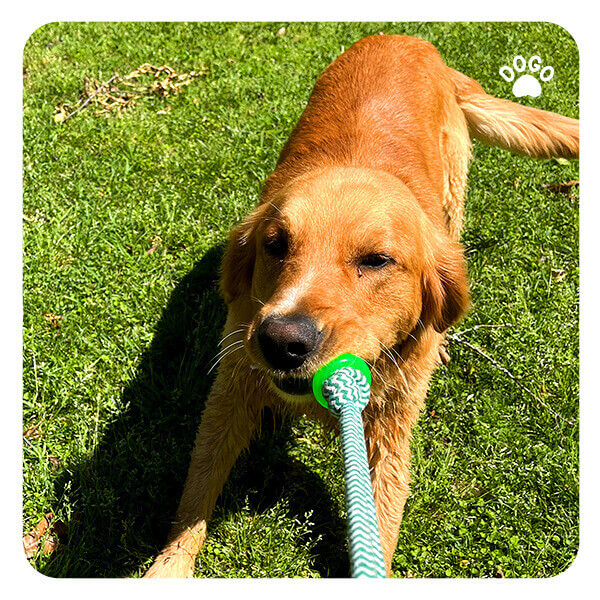
Adding Verbal Cues
Verbal cues are purposeful spoken signals used to guide attention, behavior, or comprehension across settings such as teaching, presentations, therapy, and product interaction. Defining Verbal Cues Verbal cues are defined here as intentionally produced spoken words or short phrases that signal an expected action, focus point, transition, or corrective step; they exclude purely nonverbal signals…
-
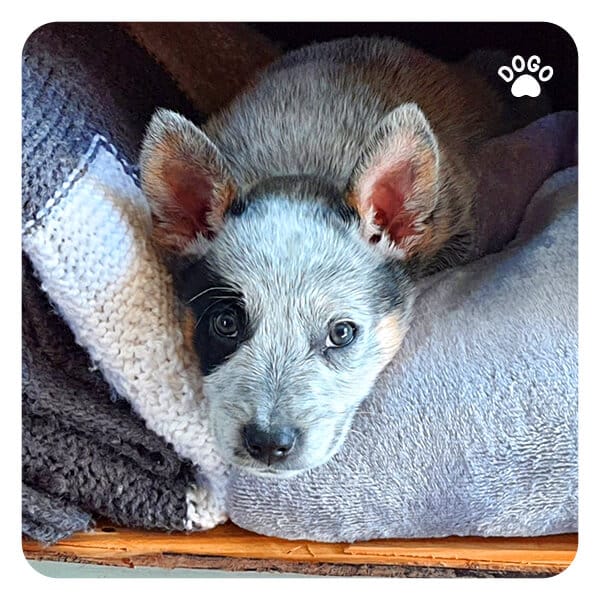
Luring in Dog Training
Luring is a training method that uses a visible reward to guide a dog into a desired position or movement. It sits within the broader framework of operant conditioning and is distinct from shaping and targeting by its direct use of a reward as a physical guide. Defining Luring Luring involves holding a treat, toy,…
-

How to draw a pug?
A pug’s compact proportions and distinctive facial folds offer clear visual cues that guide a stepwise drawing process. Materials and workspace Set up a comfortable, well-lit area with room to rest your arm and a clear view of reference photos. Keep commonly used tools within easy reach to maintain flow while sketching. Paper: a 9…
-

How to draw a dog face?
A focused start—clean tools, a comfortable workspace, and clear references—makes drawing a dog’s face easier to manage. Good light and an unobstructed view of reference images help keep lines confident and consistent. Materials and workspace Choose whether you will work on paper or digitally and set up a clear, uncluttered surface for your chosen medium.…
-
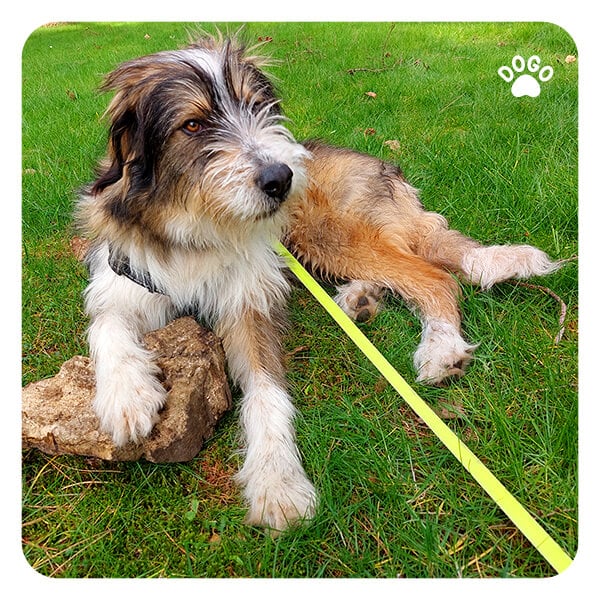
Do NOT Repeat the Verbal Cue
Do NOT Repeat the Verbal Cue is a concise training rule that restricts handlers to a single spoken cue per opportunity to prompt an intended behavior. It focuses attention on precise delivery and predictable consequences so learners form a clear cue–response link. Definition and core principle The rule is stated simply as “give one verbal…
-
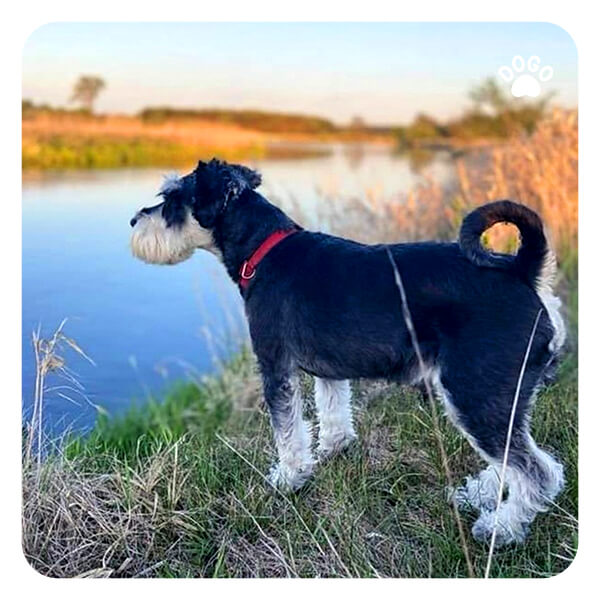
6 Commands to Prevent Your Dog from Getting Lost
Key dog-handling cues and safety measures. Why reliable commands prevent lost dogs Strong, consistent commands give you predictable control and reduce the chances your dog wanders or fails to return. Prioritizing six core cues focuses training on the scenarios where dogs most often separate from handlers, and teaching those cues in order helps streamline practice…
