
Category: Positive Dog Training
-

What is the number 1 healthiest dog food?
Evaluating the single “healthiest” dog food depends on clear, evidence-based criteria covering nutrient adequacy, safety, and how well a formula fits an individual animal’s needs. What “Healthiest” Means for Dog Food — objective criteria When labeling a food as the “healthiest,” objective, measurable outcomes are required: nutrient adequacy, digestibility, disease risk reduction, and effects on…
-

How much is a french bulldog puppy?
A prospective buyer considering a French Bulldog puppy should understand price, ongoing costs, and health-related expenses before committing to purchase. Typical price range for French Bulldog puppies Nationally, new French Bulldog puppies commonly sell for about $3,000 on average, reflecting demand for the breed and supply constraints in many regions [1]. At the low end…
-

What to say when someones dog dies?
Losing a dog often brings a mix of strong emotions and practical questions, and the words you choose can shape how someone experiences that loss. Understanding pet grief Grief after a dog dies is a natural response to losing a close social partner and caretaker; owners commonly report sorrow, anger, guilt, and emptiness as part…
-

How to draw a realistic dog?
Drawing a realistic dog combines observation of anatomy, confident construction, and attention to texture and light to make a subject read convincingly in any pose. Materials & Workspace Choose tools and a workspace that let you control line quality and rendering consistency; set up so visual decisions are repeatable and comfortable. Aim for focused work…
-
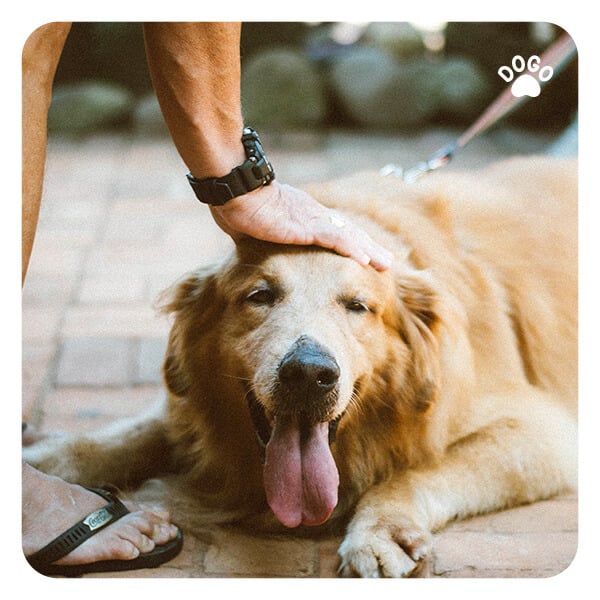
Why does my dog sit on my feet?
Many dogs choose to sit on or near their owner’s feet, and the behavior can come from a mix of physical comfort, social bonding, and situational needs. Understanding posture, triggers, and alternatives helps owners respond in a calm, consistent way. Recognizing the behavior Sitting on a person’s feet typically means the dog places its rump,…
-

What dogs dont shed?
Dogs described as “non‑shedding” or “hypoallergenic” are labels people use to describe lower visible hair and, in some cases, reduced allergen transfer to the home; definitions and expectations vary widely. What “non‑shedding” and “hypoallergenic” mean The term “non‑shedding” is informal and typically means a dog sheds little visible hair in the home, while “hypoallergenic” is…

