
Category: Positive Dog Training
-

Dog and Cat – Can They Get Along?
Dogs and cats have different natural instincts, communication styles, and social needs that influence how well they live together. Species differences: canine vs. feline sociality Understanding the baseline social organization and signaling of each species helps interpret interactions and prevent misunderstandings. Dogs are descended from social, hierarchical pack hunters and often use body posture, tail…
-
Recall: Tips and Tricks
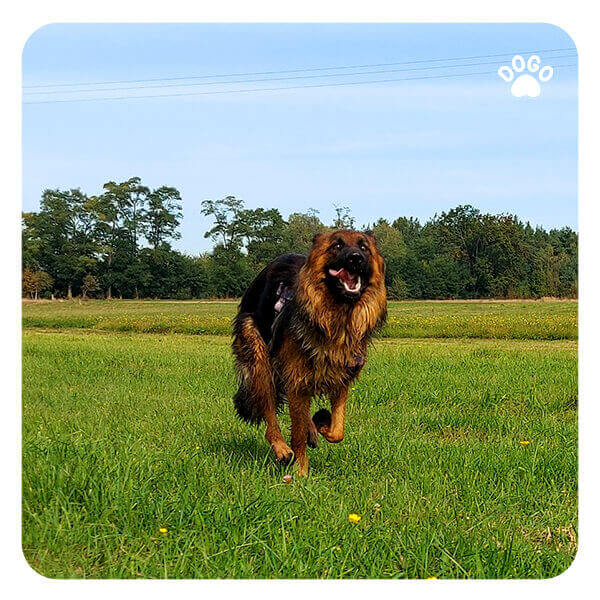
Recall is the process of retrieving stored information from memory, and it shapes how well people perform in learning, work, and daily tasks. What Recall Is and Why It Matters Recall is commonly contrasted with recognition, and many assessments distinguish two broad types: free recall and cued recall[1]. Free recall typically requires generating information without…
-

10 Friendly Dog Breeds
A selection of dog breeds is presented with brief notes on temperament and care. Labrador Retriever Labradors are outgoing and reliably social with family members and guests, often described as steady and eager to engage in play and work. Adult males typically weigh 65–80 lb (29–36 kg). [1] They generally benefit from about 60 minutes…
-

Stay Active Program
The Stay Active Program provides a structured approach to maintain and improve physical function across diverse adult populations through progressive, adaptable activity modules and supportive behavior-change strategies. Program Purpose & Principles The core mission is to reduce functional decline and increase safe, sustainable physical activity by combining exercise science with behavior-change methods rooted in current…
-

Basic Obedience Program
Basic obedience training establishes clear expectations for a dog’s behavior and creates a repeatable framework for teaching and maintaining skills across home and public settings. Program goals and outcomes Define behavioral goals that are observable and measurable so progress can be tracked objectively; examples include sit-on-leash under distraction, consistent recall from off-leash at distance, and…
-
How to Take Your Dog on a Bike Ride
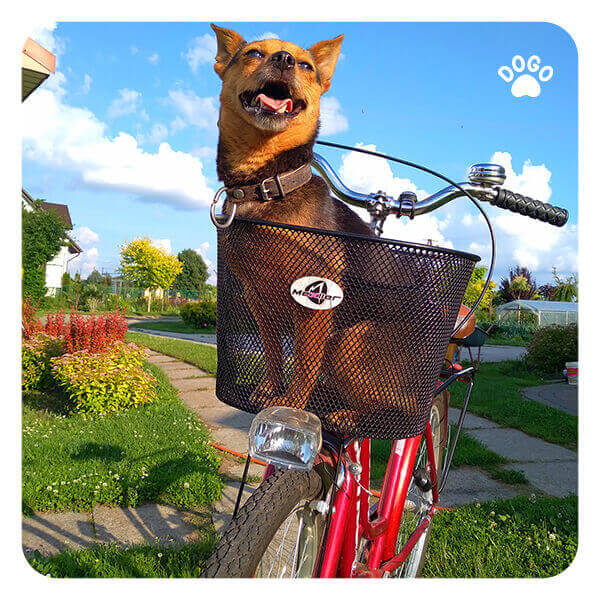
Taking a dog on a bike ride requires preparation across health, equipment, training, and safety so both rider and dog stay comfortable and secure. Dog Readiness and Health Assessment Confirm that your dog’s age, breed, size, and medical status match the physical demands of biking before you begin. Puppies younger than 12 months can have…