
Category: Positive Dog Training
-

15 Dog Breeds for a Small House
Choosing a dog breed that fits a small house affects daily routines, safety, and the long-term quality of life for both the dog and household members. Why breed choice matters for small houses Size, energy, and temperament determine how a dog uses limited floor area and communal rooms; dogs under 25 lbs (11 kg) generally…
-
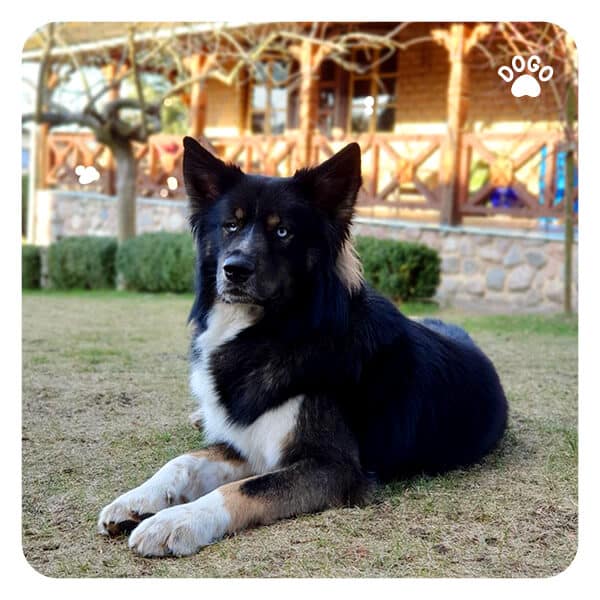
Dog Anxious After Moving Into a New House – How to Avoid the Stress?
Moving into a new house can be confusing for a dog and may lead to stress that shows up in behavior and body language. Early recognition and practical steps can reduce suffering and speed settling. Recognizing Post-Move Anxiety — Identify common signs so owners can respond early and appropriately. Watch for physical and behavioral indicators…
-

5 Reasons Why Your Dog Kisses You
Dogs often lick their human companions, and that behavior can come from many social, sensory, and learned motivations. Affection and Bonding Licking frequently functions as an affiliative signal between dogs and people and is tied to neurochemical responses during close interaction. Experimental studies found oxytocin levels in dogs and owners rise after prolonged mutual gaze…
-

Service Dog Training with Dogo
Service dog training combines behavior science, steady practice, and thoughtful matching between the handler’s needs and the dog’s abilities. Service Dog Roles and Eligibility Service dogs are trained to perform tasks that mitigate a person’s disability and can cover a range of functional roles. Service dogs commonly perform 3 main role categories: mobility assistance, psychiatric…
-
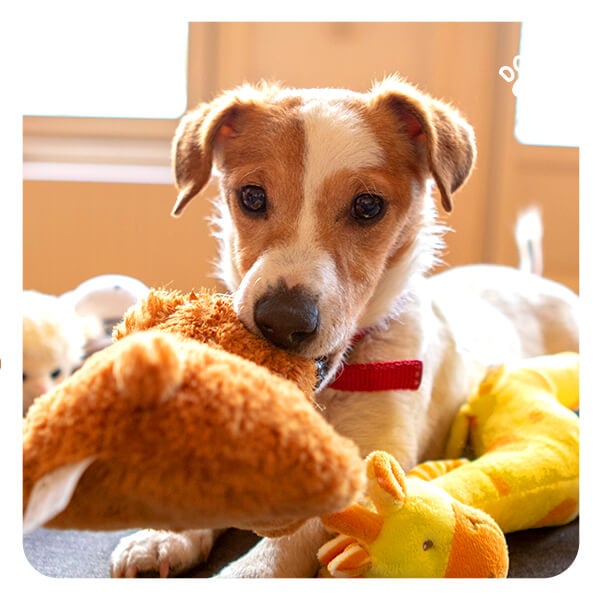
My Dog Keeps Bringing Me Things. Why?
Many dogs pick up and carry objects and sometimes bring those items to people, places, or beds as part of normal behavior. Instincts & Ancestry The tendency to retrieve or carry objects has deep roots in canid evolution and selective breeding. Domestic dogs share ancestry with wolves and related canids, and genetic and archaeological evidence…
-
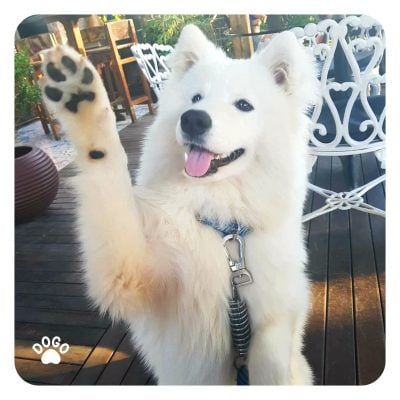
Why Dog Lifts Their Front Paw?
Dogs raise a front paw for many reasons that depend on posture, context, and individual history. Reading the surrounding signals helps determine whether the gesture is communicative, learned, instinctive, or medical. Types of Paw Lift A single brief lift that lasts under 2 seconds often accompanies a dog shifting attention or preparing to move, and…