
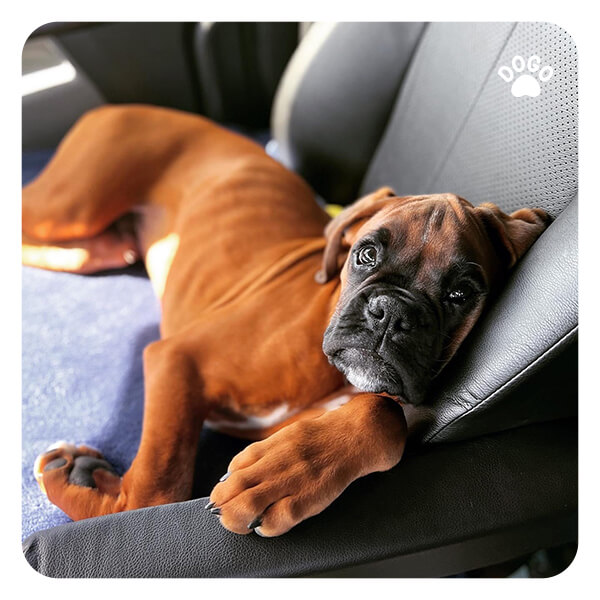
The Call of the Wild: When Can I Take My Unvaccinated Puppy Outside?
Post Date:
July 18, 2024
(Date Last Modified: November 13, 2025)
Deciding when to take an unvaccinated puppy outside requires balancing infection risk with opportunities for healthy social development. Owners should consider vaccine timing, local disease pressure, and safe exposure practices.
Vaccine schedule and milestone timing
Core puppy vaccines are commonly administered in a series at 6–8 weeks, 10–12 weeks, and 14–16 weeks of age to build protective immunity in most puppies[1].
Rabies vaccination timing is regulated by state and local authorities and is typically given at or after 12 weeks of age with specific intervals varying by jurisdiction[2].
Many vaccines are considered to confer adequate protection approximately 14 days after the final dose in a puppy vaccine series, although exact intervals depend on the product and local rules[3].
| Vaccine | Typical timing | Notes |
|---|---|---|
| DHPP (distemper/adenovirus/parvovirus/parainfluenza) | 6–8, 10–12, 14–16 weeks | Core series for most puppies |
| Rabies | At or after 12 weeks (state-dependent) | Often single dose then 1-year booster |
| Leptospirosis | 10–12 weeks, repeat in 2–4 weeks if used | Noncore in many areas, recommended where risk exists |
| Bordetella (kennel cough agents) | As early as 8 weeks depending on product | Often required for daycare or boarding |
Core vaccines are designed to protect against highly contagious and commonly severe diseases, while non‑core vaccines are chosen based on lifestyle and geographic risk[1].
How puppy immunity develops
Newborn puppies receive maternal antibodies through colostrum; these antibodies can interfere with vaccine response until they decline to permissive levels, a process that varies by litter and individual puppy[3].
Maternal antibody interference commonly wanes anywhere between about 6 and 16 weeks of age, creating a “window of susceptibility” when maternal protection is low but vaccine response may still be inconsistent[3].
Veterinarians may adjust vaccine timing for immunocompromised puppies or high‑risk breeds by extending the series or using serologic testing to confirm response; serologic titer testing can be used post‑series to verify protective antibody levels in select cases[3].
Key infectious threats and transmission routes
Canine parvovirus, canine distemper, leptospirosis, kennel cough agents (including Bordetella and canine respiratory viruses), and rabies represent the main threats targeted by routine vaccinations and public health measures[2].
Parvovirus is highly persistent in the environment and can survive in contaminated soil for months to years, making fecal/oral transmission a major concern in outdoor areas with unknown dog feces[2].
Respiratory agents spread largely by airborne droplets or direct contact and often have shorter incubation periods: for example, kennel cough pathogens can incubate in roughly 2–14 days depending on the agent[2].
Rabies is universally fatal once clinical signs develop and is transmitted by bite or saliva exposure; public health rules for rabies vaccination and post‑exposure management vary by state and country[2].
Assessing outdoor risk levels
High‑risk locations include dog parks, communal trails with heavy dog traffic, animal shelters, and areas where unknown dog feces or sick animals are present; these environments raise the chance of encountering infectious agents[4].
Lower‑risk options are private, fenced yards maintained by the owner, quiet neighborhood sidewalks with minimal dog traffic, and outings where the puppy is carried or kept off the ground to avoid contact with contaminated surfaces[4].
Factors that increase outdoor risk include high local dog density, reports of active outbreaks, presence of wildlife known to carry disease, recent flooding or heavy rain that can spread contaminants, and seasonal spikes in particular pathogens in your region[4].
Safe outdoor activities before full vaccination
Owners can provide valuable environmental exposure and exercise while limiting infection risk by using supervised backyard play and brief car rides; carrying the puppy or using a pet stroller keeps the pup off potentially contaminated ground[1].
First veterinary visits should focus on a clean, controlled setting; many clinics keep separate puppy‑only exam rooms and recommend brief, supervised interactions to reduce exposure to sick animals[5].
Using elevated, sanitized surfaces (such as a clinic exam table or a clean blanket on a bench) for brief leash introductions helps socialization while avoiding direct contact with ground contaminants until the puppy has completed the vaccine series and the required post‑vaccine interval[5].
Socialization strategies that minimize infection risk
The sensitive socialization window for puppies is generally around 7–16 weeks of age and is important for long‑term behavior, so safely timed exposure is critical even before full vaccination[4].
- Controlled playdates with one or two healthy, fully vaccinated adult dogs in a clean private yard reduce risk while providing social interaction[1].
- Small‑group puppy classes that require documented vaccine status or hold sessions in cleaned, elevated indoor spaces offer socialization with reduced pathogen exposure[4].
- Non‑contact socialization—introducing puppies to people, sounds, surfaces, and different handling experiences—supports behavioral development without requiring contact with unknown dogs or ground surfaces[1].
Gradual desensitization to different stimuli and consistent, short exposures work better than uncontrolled mass exposures for both behavior and health.
Owner hygiene and protective practices
Avoid contact with unknown dog feces and promptly pick up and properly dispose of your dog’s waste; parvovirus and other enteric pathogens are spread via fecal/oral routes and can be tracked on shoes and paws[2].
Clean paws, leashes, harnesses, toys, and food bowls after outings in higher‑risk areas using pet‑safe disinfectants; many disinfectants require a contact time of several minutes to be effective against hardy viruses such as parvovirus[2].
Practice personal hygiene: wash hands after handling your puppy or its gear, and consider changing or cleaning footwear before entering the home after walking in high‑traffic dog areas to limit household contamination[5].
Rules for leash walks, off‑leash, and public spaces
Begin leash walks on quiet routes or carried outings until the puppy has completed the core series and passed the local post‑vaccine waiting period; many owners wait until about 14 days after the final core dose before regular, ground‑level public walks[3].
Off‑leash play and dog parks are best postponed until the puppy is fully vaccinated and current with boosters consistent with local veterinary recommendations and facility policies[1].
Pet stores, groomers, daycare, and public transit often have their own vaccination and health policies; verify requirements in advance and choose establishments that enforce vaccine checks and clean facility practices to reduce risk[4].
Recognizing illness and when to seek veterinary care
Red flags that require prompt veterinary attention include repeated vomiting, bloody diarrhea, severe lethargy or collapse, difficulty breathing, and fever over 103°F (39.4°C); these signs can indicate serious infections such as parvovirus, distemper, or severe respiratory disease[5].
If a puppy shows urgent signs such as collapse, severe dehydration, or respiratory distress, contact an emergency veterinary clinic immediately; for milder signs such as a single episode of vomiting or mild sneezing, call your regular veterinarian to describe symptoms and get triage guidance[5].
Common diagnostics for suspected infectious disease include point‑of‑care fecal antigen or PCR testing for parvovirus, fecal floatation for parasites, and bloodwork including a complete blood count and chemistry panel to assess dehydration and organ function; treatment urgency increases if tests indicate systemic infection or dehydration[3].
Sources
