
Category: Positive Dog Training
-
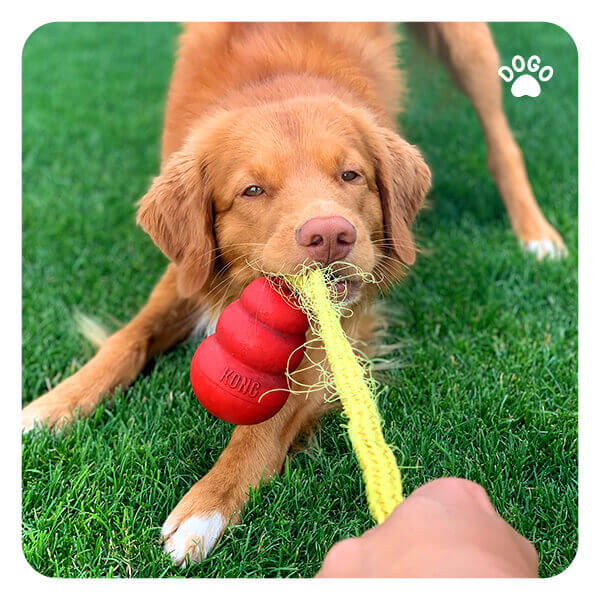
Why You Should Train Your Dog Yourself
Training your dog yourself focuses on building everyday skills, predictable routines, and a cooperative relationship between you and your pet. Why DIY Dog Training Matters Short, frequent sessions of 5–10 minutes help maintain consistency and predictable cues that dogs learn best from[1]. Working in the environment where the dog will live makes learned behaviors more…
-

Dog House Training. Step by Step and Troubleshooting.
House training a dog requires consistent routines, clear signals, and coordinated household expectations to shape reliable indoor and outdoor elimination behavior. Training objectives and terminology Successful house training means the dog eliminates in preferred locations with predictable cues, and accidents decline to a level set by the household while the dog reliably responds to a…
-
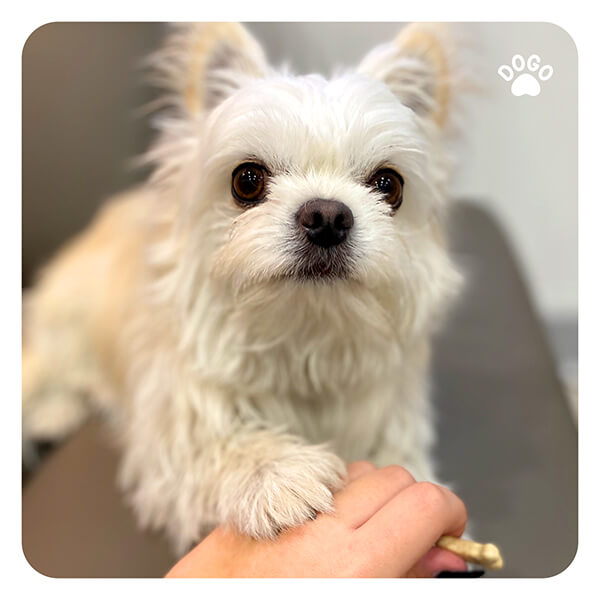
How to Set Your Dog for Success in Training
Successful dog training begins with preparation that matches a dog’s physical, mental, and environmental needs. Thoughtful assessment and planning reduce frustration and speed reliable learning. Know Your Dog Understanding breed tendencies, life stage, temperament, and prior experiences shapes realistic training goals and humane methods. Puppies have a sensitive socialization window early in life; social exposure…
-

Leash Walking – Training vs. Exploration
Leash walks serve different purposes depending on whether the focus is learning and control or sensory exploration and choice, and owners can structure outings to meet both needs. Training vs. Exploration Defined Training mode emphasizes skill acquisition, predictable cues, and reinforced responses during on-leash work; sessions are typically short and focused to support learning, often…
-

Is My Dog Depressed? How to Tell if Your Dog is Unhappy
Dogs can show long-term changes in mood and behavior that concern their owners, and understanding those changes helps decide whether they need medical or behavioral attention. What Is Canine Depression? Canine depression is a nonuniform cluster of behavioral and emotional changes that veterinarians and behaviorists describe when a dog shows persistent low mood, reduced interest…
-
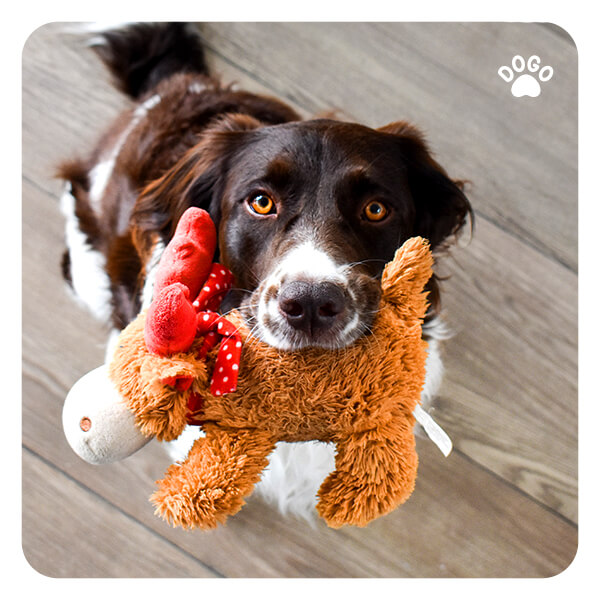
You Should Constantly Rotate Your Dog’s Toys
Rotating a dog’s toys means cycling items in and out of availability so the dog interacts with a smaller set at any one time instead of an owner leaving every toy out constantly. Why Rotate Your Dog’s Toys Rotation preserves novelty so individual toys remain interesting rather than becoming background objects. Aim to rotate toys…