
Category: Positive Dog Training
-

What is Reactivity in Dogs?
Reactivity in dogs is a pattern of over-threshold arousal and intense behavioral responses to specific stimuli, distinct from routine alertness or play. The term describes observable episodes when a dog’s internal arousal level crosses a threshold and produces outsized vocal, postural, or locomotor reactions. Definition of Reactivity in Dogs Operationally, reactivity refers to a rapid…
-

Puppy Training Schedule
Establishing a consistent, age-appropriate training schedule helps puppies learn reliable habits and reduces household stress. Age-based training milestones Key developmental windows commonly referenced are 8–16 weeks, 4–6 months, and the adolescent period, and training should align expectations to those stages rather than treating all young dogs the same[1]. Typical skill targets include beginning reliable potty…
-
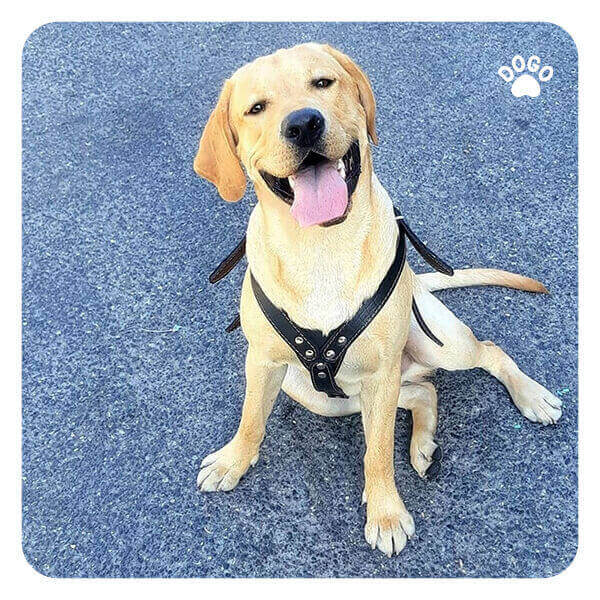
Training a Blind Dog – Is It Possible?
Dogs can lose sight in a variety of ways and many adapt with support, learning to rely on other senses and routines to stay safe and engaged. What Blindness Means for Dogs — Types, Causes, and Behavior Blindness in dogs can be congenital or acquired, and it may be partial or total depending on whether…
-
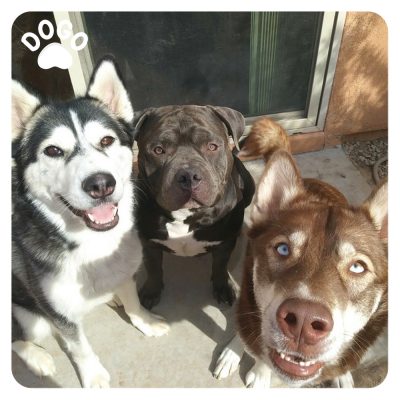
How to Manage a Reactive Dog?
Canine reactivity describes an intense, often immediate response by a dog to a specific stimulus, observable as a change in behavior or arousal level. Understanding its signs, causes, and management options helps caretakers reduce risk and improve welfare. What Is Canine Reactivity? Reactivity is a behavioral pattern where a dog reacts strongly to a trigger…
-
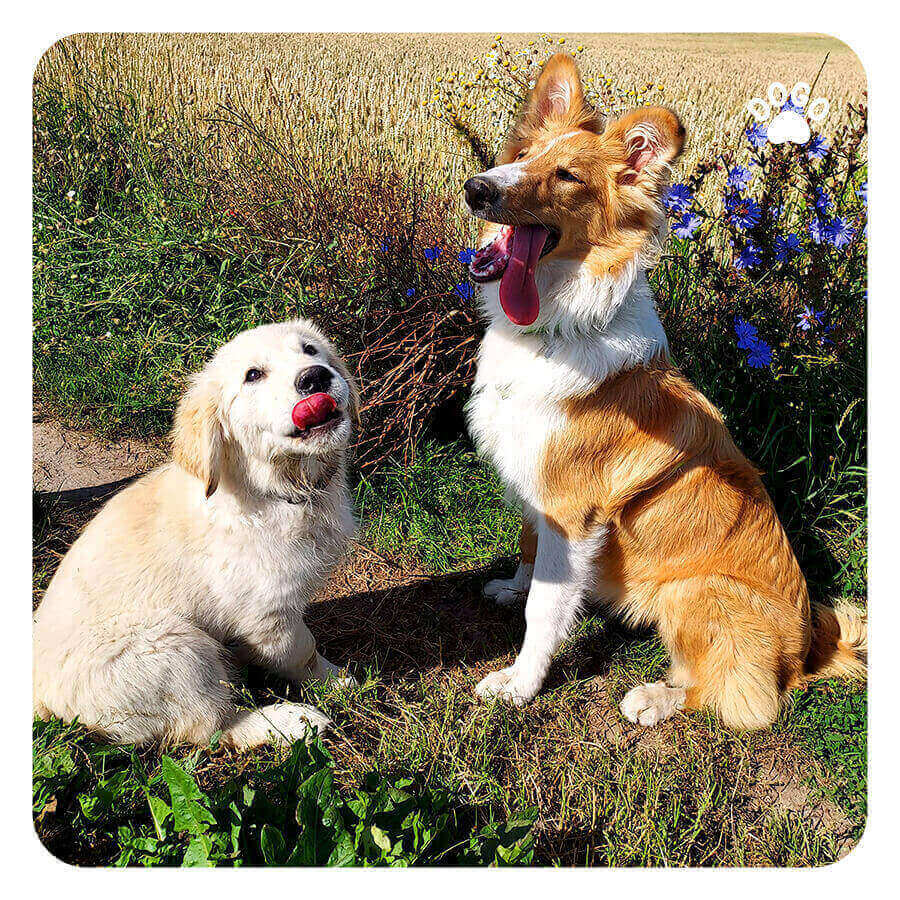
Sniff-Along Walk vs. Normal Walk
Dogs benefit from both structured, fitness-focused walks and slower, scent-driven outings; the two approaches differ in their immediate aims and how owners should manage the dog during the outing. 1. Definitions & Key Differences A sniff-along walk prioritizes a dog’s ability to investigate scents, often allowing the dog to pause, nose the ground, and trace…
-
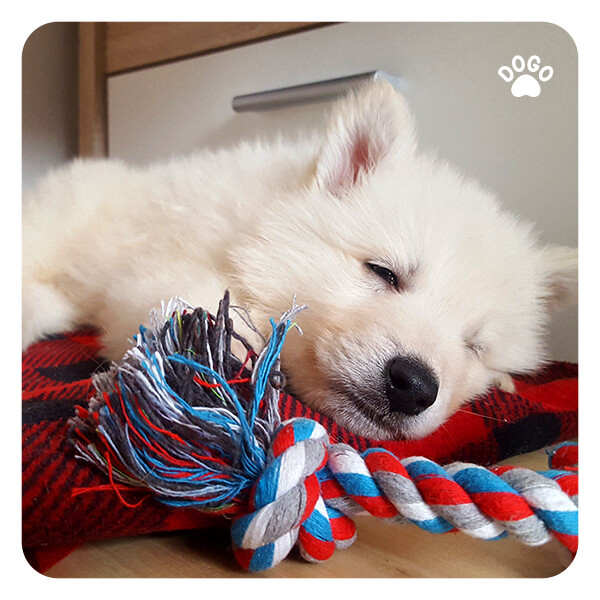
Dog Sleeping Positions – What Do They Mean?
Descriptions of common dog sleeping positions and associated observations. Why dog sleeping positions matter Sleep posture offers visible clues about a dog’s comfort, physical state, and immediate needs, and can be a nonverbal signal owners, trainers, and clinicians use during routine observation. Adult dogs typically sleep about 12 to 14 hours per day under normal…