Learn how to be the
best dog trainer for
your dog!

-
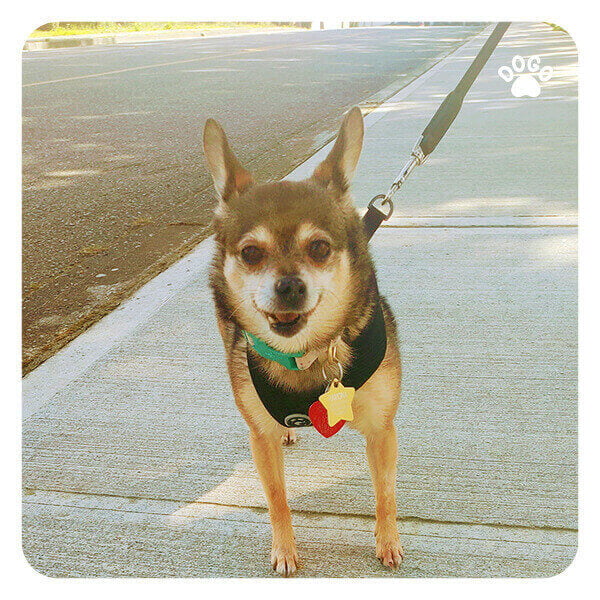
Leash Aggression
Leash aggression describes reactive behaviors dogs display while they are restrained on a leash and unable to freely avoid perceived threats. These responses can occur in a range of everyday settings and reflect underlying emotional and situational factors. Definition and Scope of Leash Aggression Leash aggression refers to a pattern of reactivity expressed by a
-

How to Prepare an Anxious Dog for Grooming
Grooming can be a stressful event for some dogs, and preparing an anxious dog involves both behavior work and practical planning to reduce distress and improve safety. Know Canine Anxiety Anxiety in dogs is an anticipatory, often persistent state that is distinct from acute fear, which is an immediate response to a present threat; both
-

Dog Panting Explained
Panting in dogs is a breathing behavior that involves open-mouth respiration and changes in airflow and moisture to influence body heat and breathing effort. What is panting? Panting is rapid, open-mouth breathing during which air flows over the moist surfaces of the tongue and upper respiratory tract to promote evaporative cooling and increase ventilation; this
-
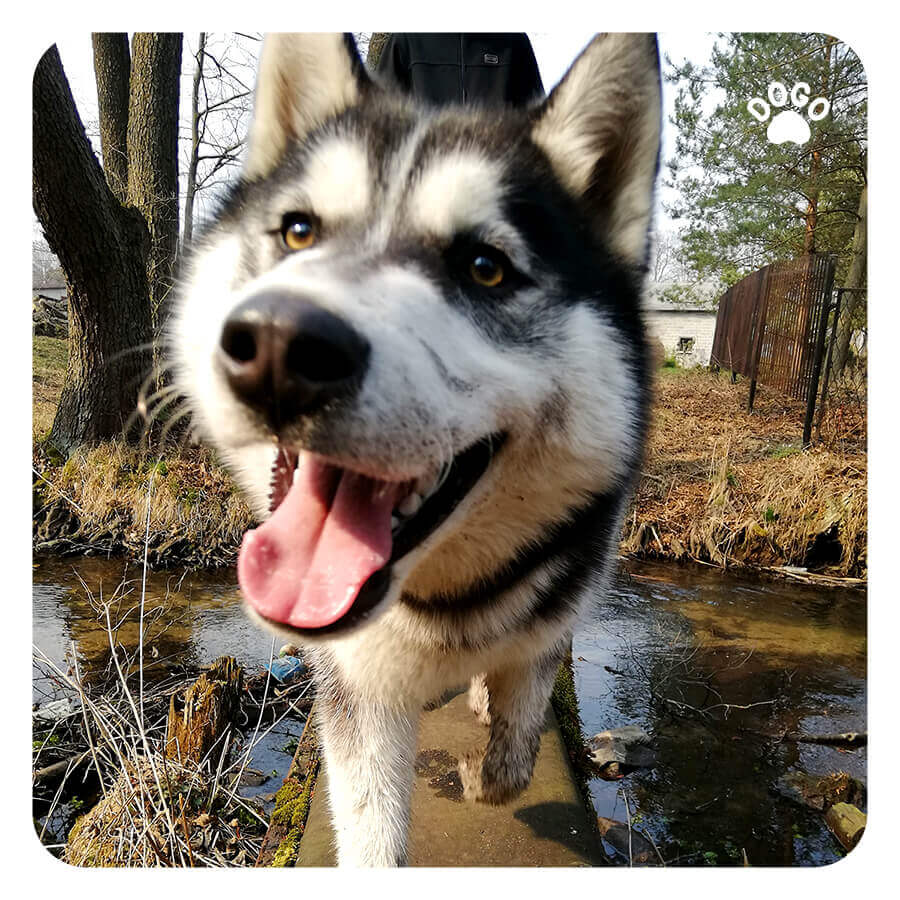
My Dog Jumps on Me. What Should I Do?
Many dogs jump up on people as a form of communication or excitement. The behavior can be managed safely with assessment, environmental changes, and consistent training. Why dogs jump Jumping is a normal canine behavior that often serves clear social functions; dogs commonly jump to greet, to express arousal, or to solicit attention. Saying a
-

My Dog Destroys the House!
Many dogs chew, scratch, or otherwise damage home items for a variety of emotional, physical, and environmental reasons. Identifying motives and practical steps can protect both the dog and the household. Why Dogs Destroy the House Destructive behavior commonly stems from emotional drivers such as separation anxiety, fear, or stress, from physical needs like teething
-

Basic Obedience Program
Basic obedience training establishes clear expectations for a dog’s behavior and creates a repeatable framework for teaching and maintaining skills across home and public settings. Program goals and outcomes Define behavioral goals that are observable and measurable so progress can be tracked objectively; examples include sit-on-leash under distraction, consistent recall from off-leash at distance, and
Start training with Dogo today
Start our survey and receive a customized training plan tailored to your dog today!