Learn how to be the
best dog trainer for
your dog!

-
Pulling on a Leash. How to Deal with It?
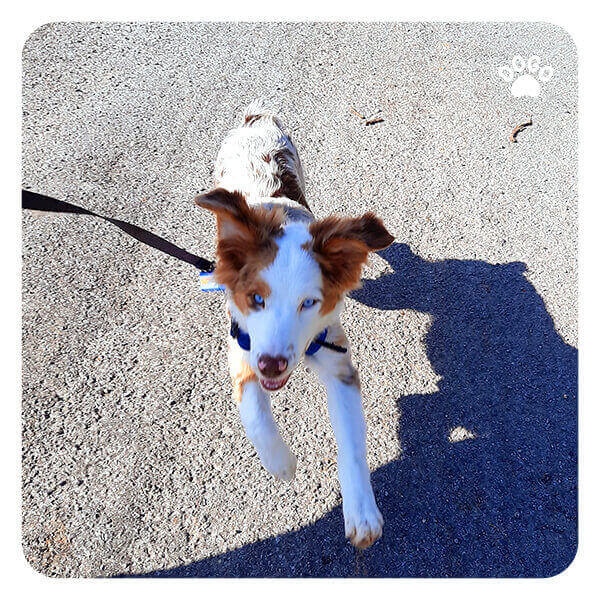
Leash pulling is a common behavior that reflects a mix of motivation, learning history, and the immediate environment. Understanding the typical causes helps shape safer and more effective responses. Why Dogs Pull: Causes and Context Dogs pull on leash primarily because of strong motivations (exploration, prey drive, social excitement), learned reinforcement from past walks, and
-

Dog Body Language – What is Your Dog Trying to Tell You?
Reading a dog’s body language helps you interpret its emotional state and intentions so you can respond appropriately. Observing posture, facial cues, tail movement, and vocalizations gives context to behavior. Why Dog Body Language Matters Recognizing signals reduces the chances of miscommunication between people and dogs and can prevent injuries; approximately 4.5 million dog bite
-

When and How to Socialize Your Puppy?
Practical timing, safe exposure, and consistent handling are core considerations when socializing a puppy. Below are structured recommendations for when and how to introduce puppies safely to people, animals, places, and routines. Why socialization matters Early social exposure shapes how a dog interprets people, other animals, and novel situations later in life. Positive early experiences
-
Play with Your Dog at Home
Ideas and practical approaches to playing with a dog at home, organized by style, safety, and adaptability for different ages and energy levels. Benefits of Play at Home Regular play supports physical conditioning, mental engagement, and a stronger relationship between handler and dog. Aim for at least 30 minutes of moderate activity per day for
-

Strengthen your Friendship Program
A structured friendship program connects participants through intentional matching, clear roles, and repeatable processes to support consistent engagement and growth. Define clear program goals and success metrics — Aligns leadership expectations and guides all design choices. Start by naming the primary objectives you want the program to advance, such as retention, wellbeing, onboarding support, or
-

Dementia in Dogs
Dementia in dogs, commonly called canine cognitive dysfunction (CCD), is a progressive condition marked by changes in memory, learning, perception, and behavior that affect daily function and quality of life. What is Canine Cognitive Dysfunction (CCD)? Canine cognitive dysfunction (CCD) is a neurodegenerative syndrome in older dogs that is analogous to age-related cognitive decline in
Start training with Dogo today
Start our survey and receive a customized training plan tailored to your dog today!