Learn how to be the
best dog trainer for
your dog!

-
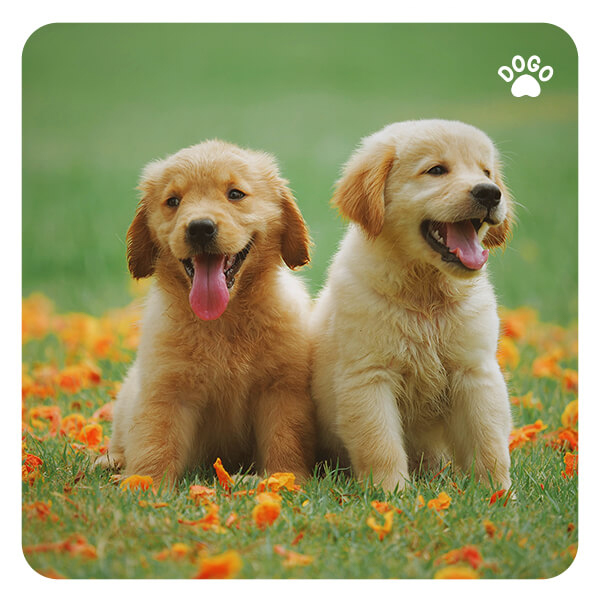
When and How to Socialize Your Puppy?
Practical timing, safe exposure, and consistent handling are core considerations when socializing a puppy. Below are structured recommendations for when and how to introduce puppies safely to people, animals, places, and routines. Why socialization matters Early social exposure shapes how a dog interprets people, other animals, and novel situations later in life. Positive early experiences…
-
Play with Your Dog at Home
Ideas and practical approaches to playing with a dog at home, organized by style, safety, and adaptability for different ages and energy levels. Benefits of Play at Home Regular play supports physical conditioning, mental engagement, and a stronger relationship between handler and dog. Aim for at least 30 minutes of moderate activity per day for…
-

Strengthen your Friendship Program
A structured friendship program connects participants through intentional matching, clear roles, and repeatable processes to support consistent engagement and growth. Define clear program goals and success metrics — Aligns leadership expectations and guides all design choices. Start by naming the primary objectives you want the program to advance, such as retention, wellbeing, onboarding support, or…
-
Dementia in Dogs
Dementia in dogs, commonly called canine cognitive dysfunction (CCD), is a progressive condition marked by changes in memory, learning, perception, and behavior that affect daily function and quality of life. What is Canine Cognitive Dysfunction (CCD)? Canine cognitive dysfunction (CCD) is a neurodegenerative syndrome in older dogs that is analogous to age-related cognitive decline in…
-
My Dog Chews Everything!
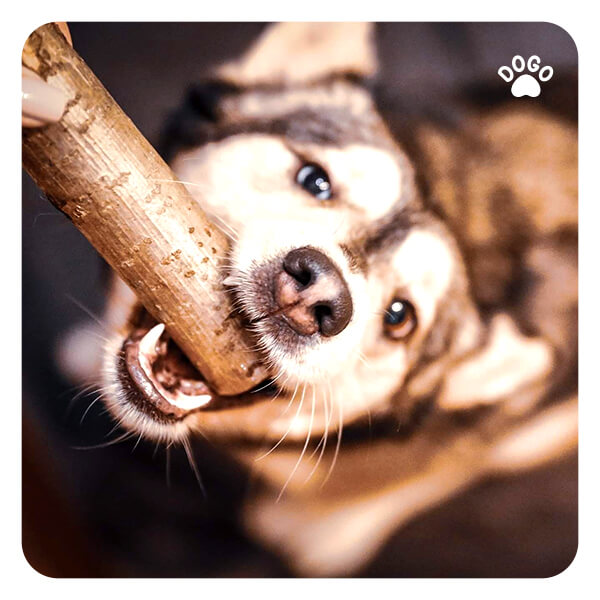
Dogs use their mouths to explore and to relieve physical or emotional needs, so chewing is a common behavior with many underlying causes. Causes of Chewing Chewing can be driven by instinctual exploration, oral development, stress, or pain; identifying the root cause lets you choose the most effective response. Puppies and young dogs commonly mouth…
-
Reasons for Dog Aggression
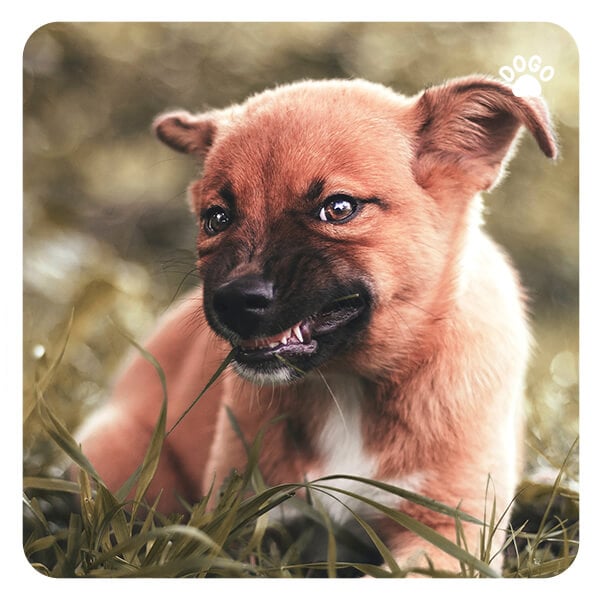
Reasons for dog aggression range across medical, emotional, social, and environmental domains. Clear categorization of triggers supports targeted assessment and safer management. Medical and Pain-Related Causes Physical pain and medical conditions commonly underlie aggressive responses when a dog protects an injured area or reacts unpredictably to handling. Osteoarthritis is a frequent contributor to pain-related aggression…
Start training with Dogo today
Start our survey and receive a customized training plan tailored to your dog today!