
Category: Positive Dog Training
-
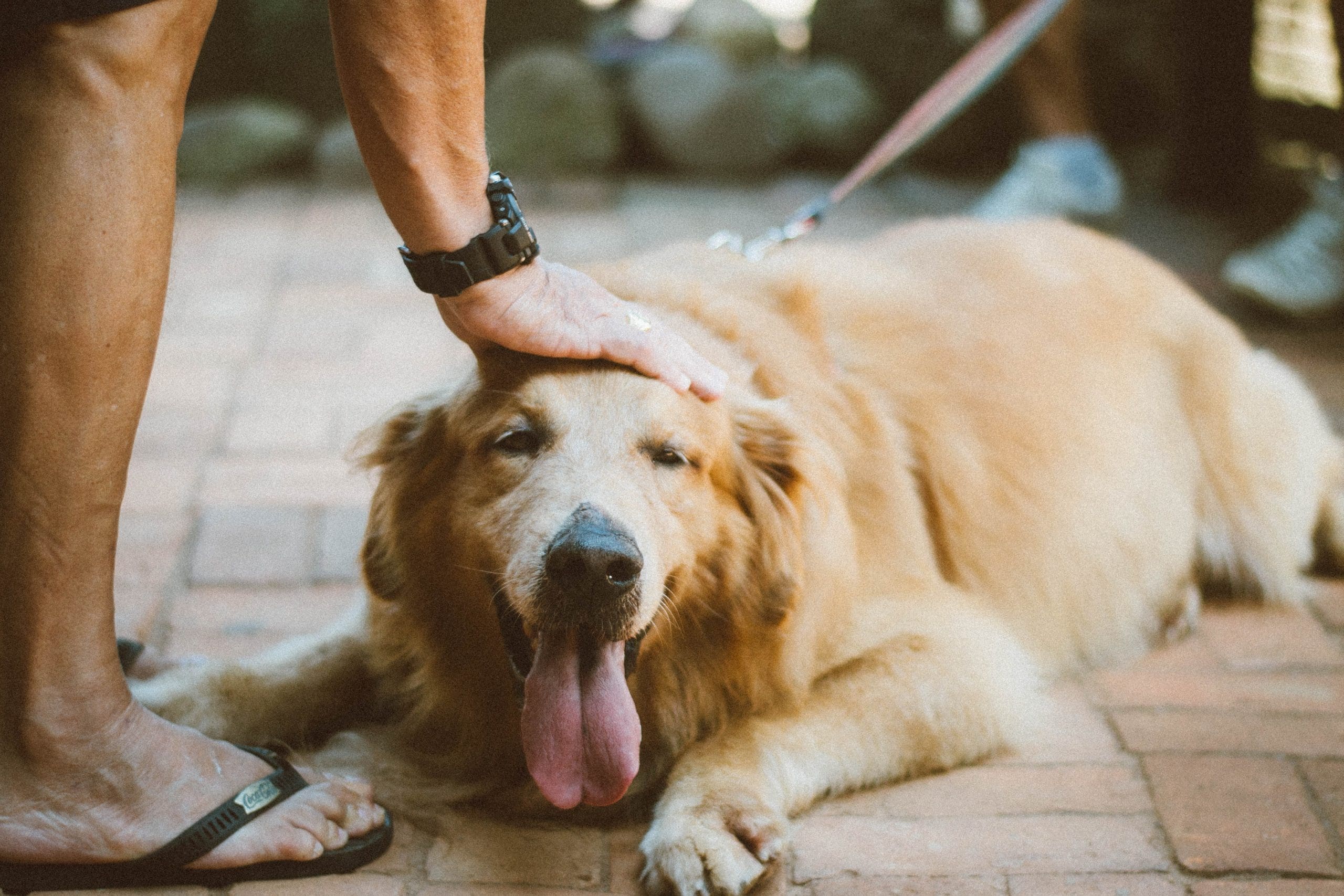
Why do dogs like sticks?
Understanding why dogs chase, pick up, and chew sticks matters because it changes how you play, how you keep a dog safe, and how you read the signals they give you. When you recognize that a dog’s interest in sticks can be a source of exercise, mental enrichment, and a bonding ritual, you can shape…
-
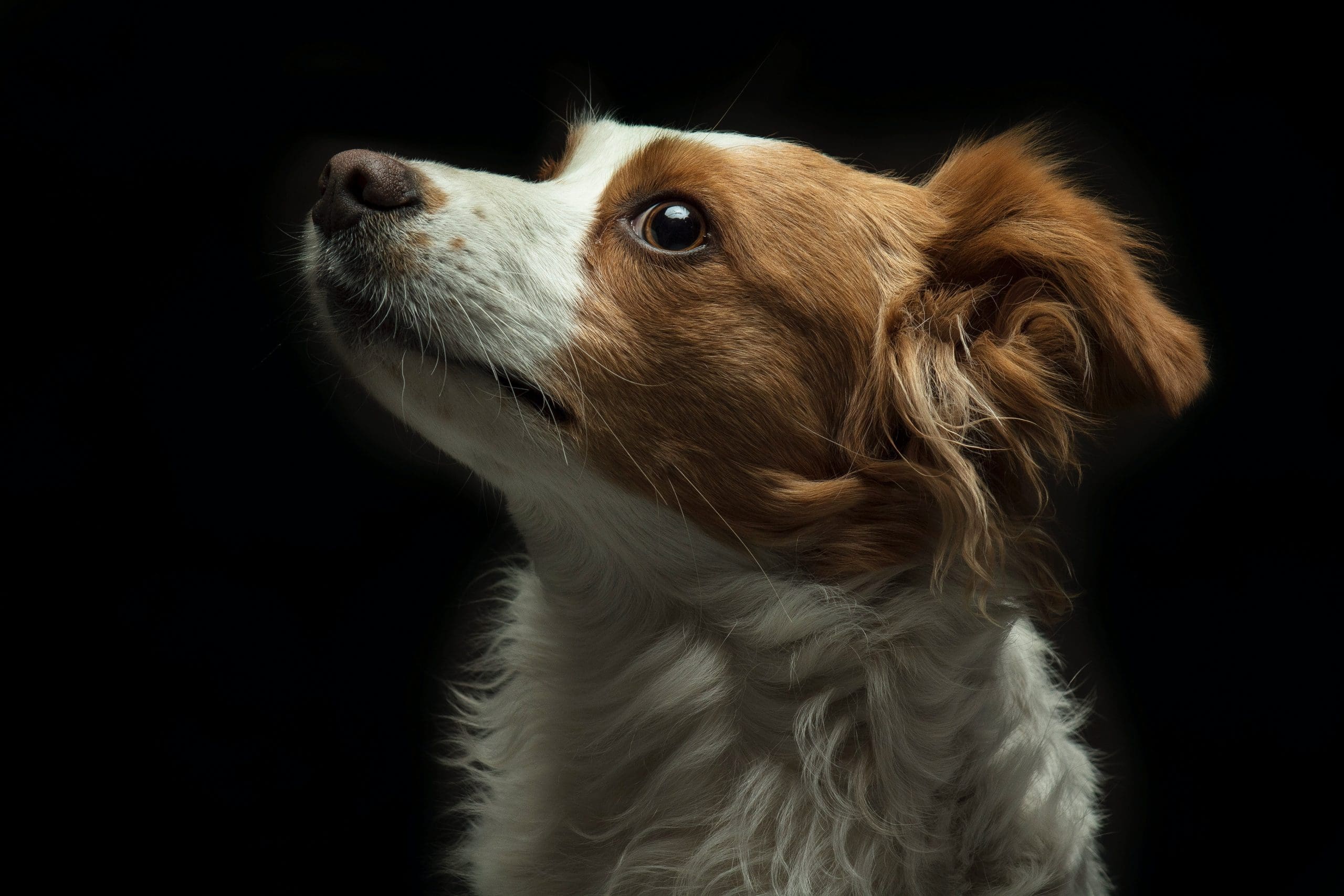
How to calm a dog during a storm?
Storms are a common trigger for distress in dogs, and a calm, practical plan can protect safety now while reducing fear over time. The guidance below blends immediate steps you can use in the middle of a storm with explanations and longer-term training strategies that I typically recommend to owners who want both an immediate…
-
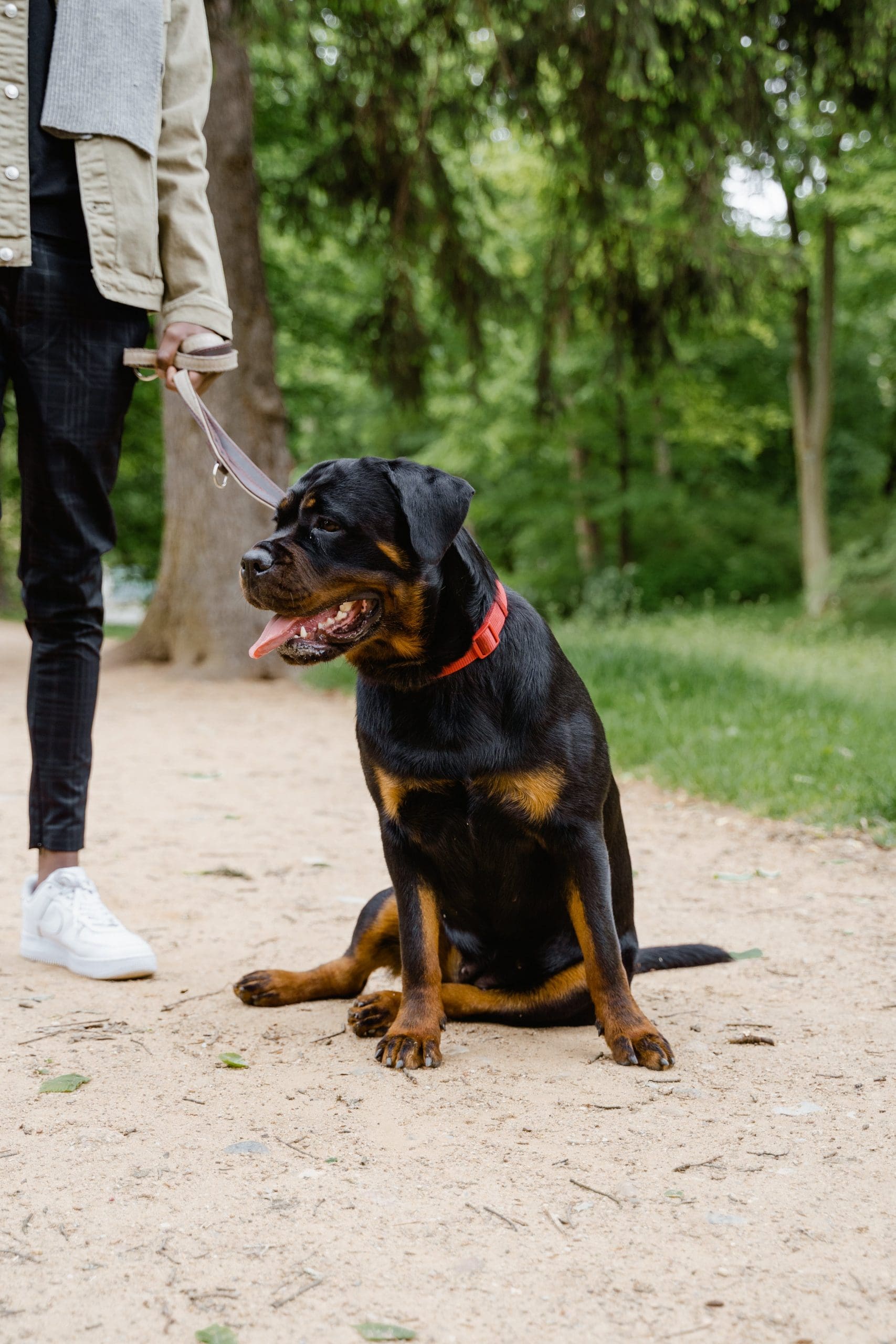
Short message for my dog who passed away?
When a dog dies, people often want to say something short and true—something that honors the animal, shares their pain, or lets other dog lovers know. A concise message can serve many practical and emotional purposes: it names the loss, invites support, and preserves a memory without requiring the sender to craft a long statement…
-
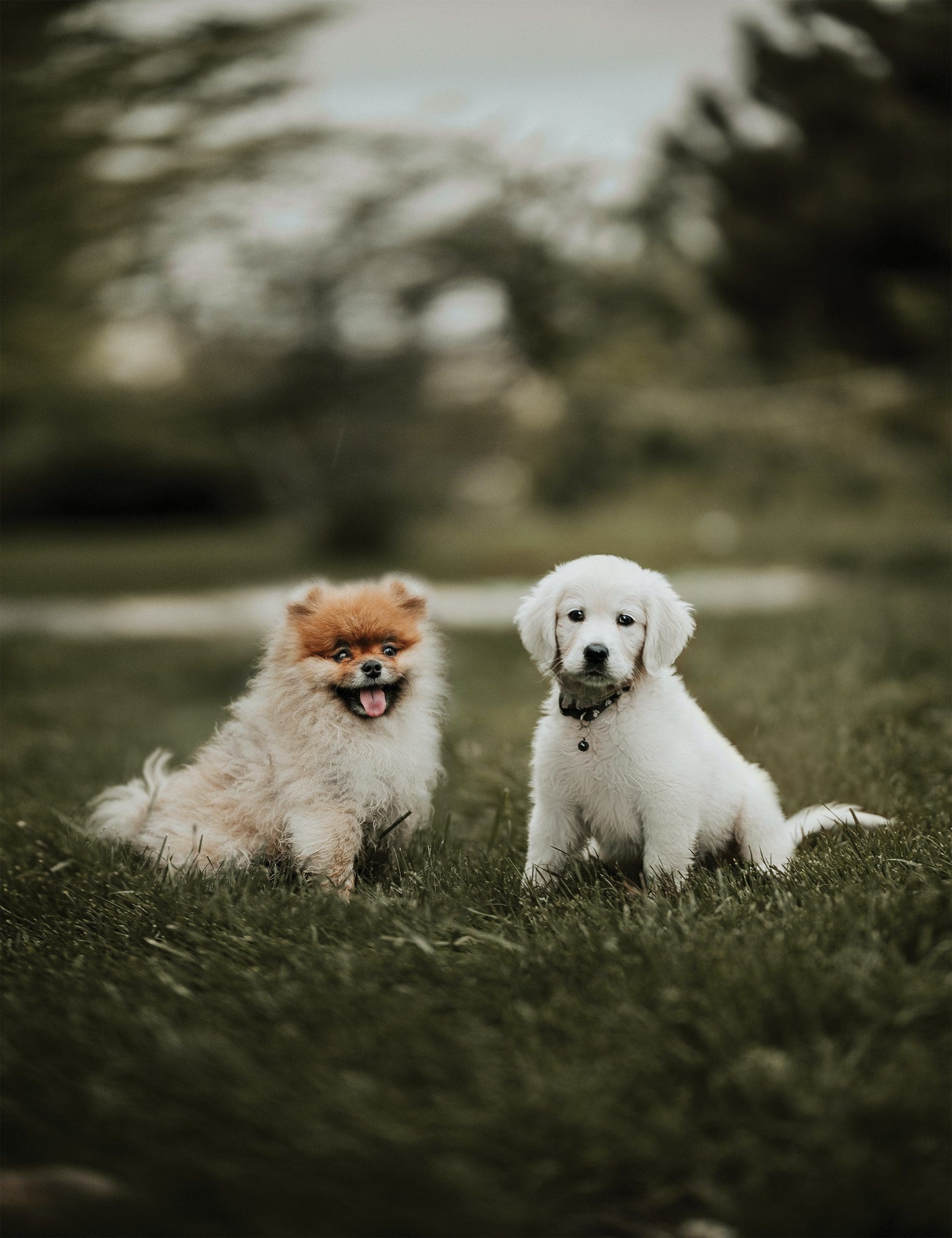
Why does my puppy bite so much?
Understanding why a puppy bites so much matters to anyone who loves dogs because it directly affects safety, the quality of daily life, and the long-term relationship between a dog and the household. A puppy’s mouth is how it learns about the world, and when that behavior collides with a small child’s fingers, a visiting…
-
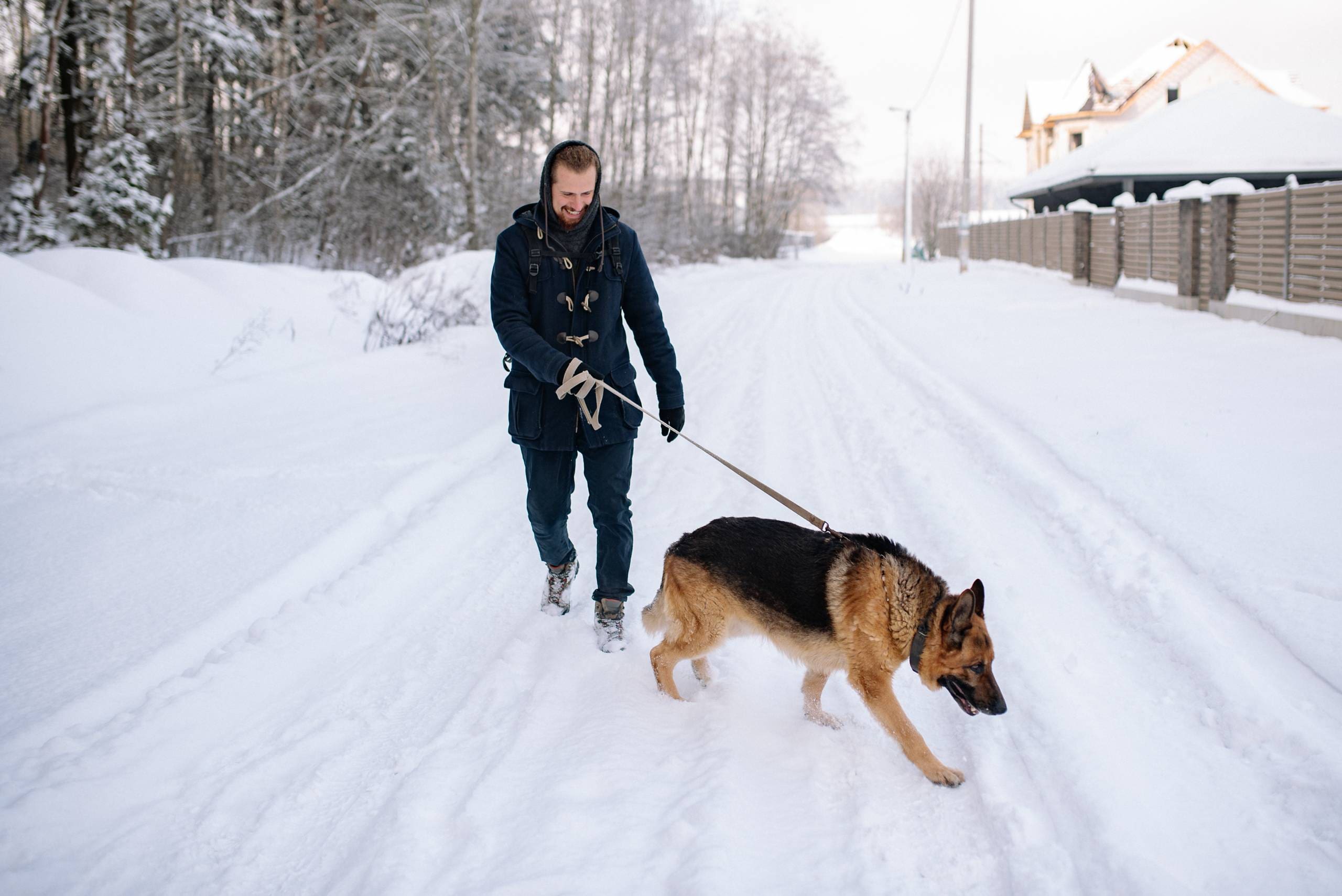
How to stop dog from jumping on people?
Stopping a dog from jumping on people protects visitors, improves everyday manners, and keeps social outings enjoyable for both dogs and owners. Why Stopping Jumping Improves Safety and Manners Owners want their dogs to be welcome in homes, parks, and families; a dog that jumps can undermine that. I typically see owners aiming to stop…
-
How often do puppies poop?
Knowing how often a puppy poops helps you track health, make steady progress with house-training, and organize daily routines for work, travel, or pet-sitting—while taking size and breed into account so expectations match the dog in front of you. What’s normal: puppy poop frequency by age and size Below is a quick, age-based baseline many…


