
Category: Positive Dog Training
-
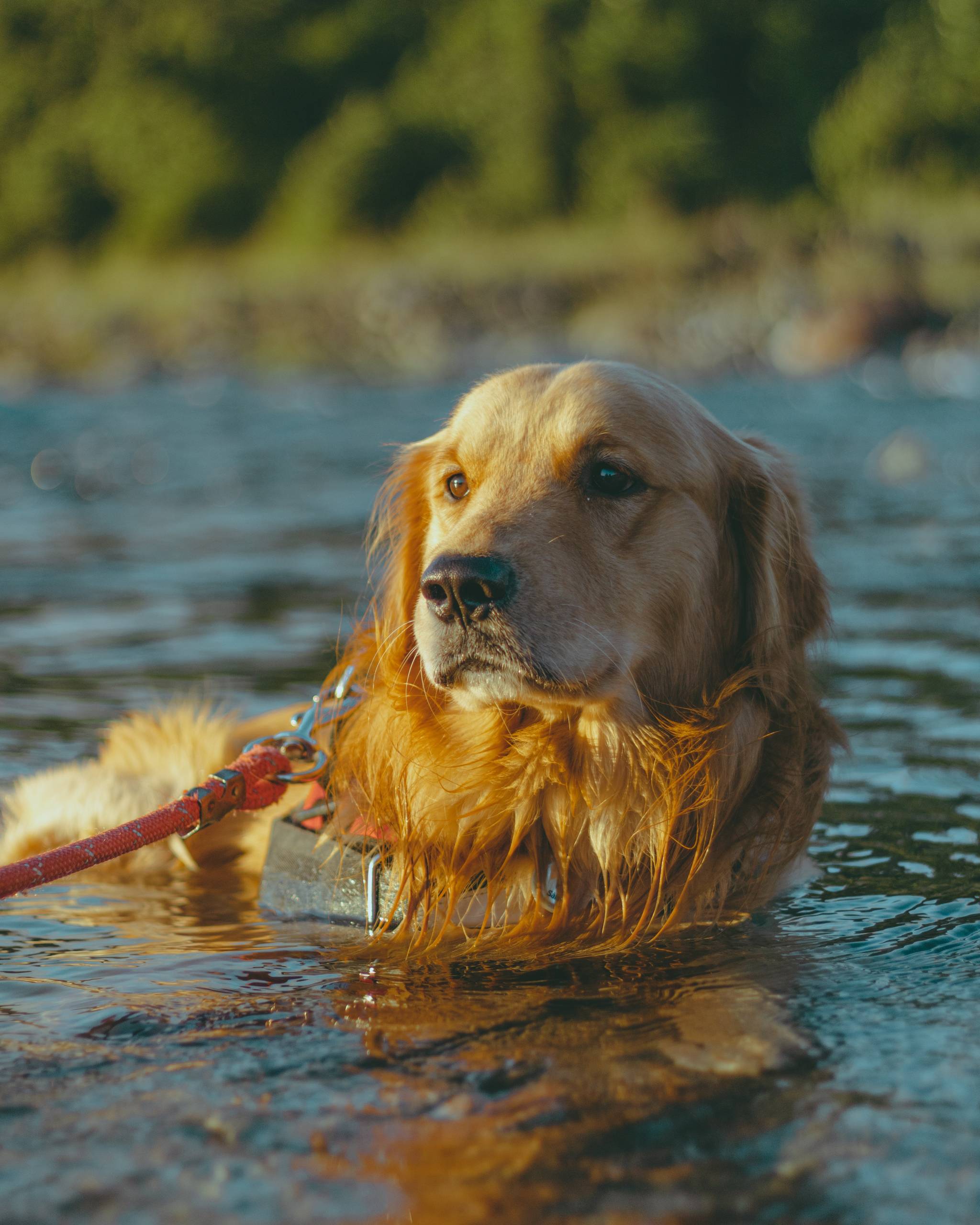
What foods are bad for dogs?
Knowing which foods are dangerous for dogs matters because most exposures happen at home or during social situations where a moment’s curiosity or a well-meaning guest can create real risk. A dog that eats the wrong thing can move from playful to critically ill in hours; recognizing the common scenarios, taking quick action, and preventing
-

Dog Summer Activities
Summer brings different routines for dogs that focus on safety, comfort, and appropriate activity as temperatures rise. Use practical measures to reduce heat exposure and keep dogs hydrated and engaged. Summer Heat Safety & Heatstroke Recognition Heatstroke can progress quickly and shows signs such as heavy panting, drooling, weakness, vomiting, and collapse; core body temperatures
-
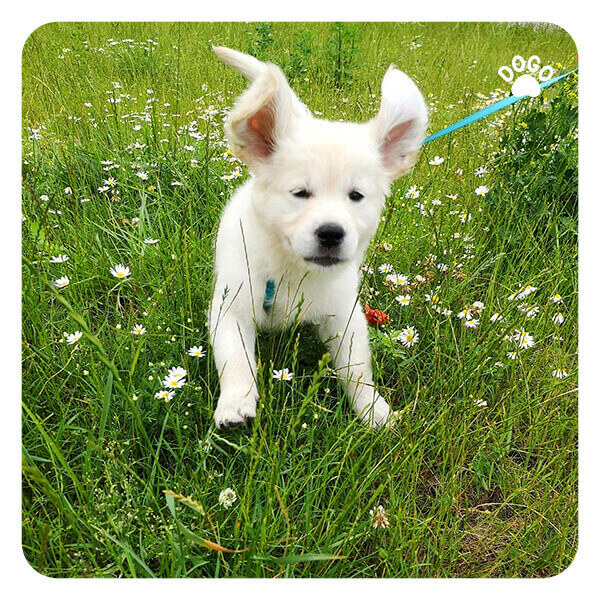
9 Things to Know Before Getting a Puppy
Bringing a puppy into your household requires planning across daily life, finances, and long-term care. Consider practical needs like time, training, health, and where the animal will come from before deciding. Commitment & lifespan Expect the average companion dog to live about 10–15 years, with smaller breeds often living longer and larger breeds sometimes shorter
-
Why My Puppy Bites and How to Stop It?
Puppy biting covers a range of behaviors from gentle mouthing to forceful strikes and can mean different things depending on age, context, and the puppy’s health. Clear descriptions of bite types, practical safety steps, and humane training techniques help owners respond effectively. Types and Severity of Puppy Bites Mouthing and nipping are typically low‑force behaviors
-

Dog Humping. What Does It Mean?
Dogs mount for many reasons ranging from play to medical conditions, and understanding context helps owners decide when to manage the behavior or seek veterinary advice. Why Dogs Hump — scope and commonality Mounting and humping are observed across ages and settings and are described in veterinary behavior references as a frequent, multifactorial behavior rather
-

Facts about Dogs’ Grooming and Health
Grooming and basic coat care affect a dog’s comfort, skin integrity, and visible condition. Coat Types and Shedding Patterns Coat morphology is a primary determinant of how often a dog needs brushing, bathing, and professional trimming. Common categories include short single coats, double coats with a dense undercoat, curly or corded coats, wiry or terrier
