
Category: Positive Dog Training
-

Why do dogs get the zoomies after a bath?
Anyone who bathes a dog has seen it: the slow shuffle from tub to towel, then a sudden explosion of speed, spins, bounces and that unmistakable grin as your living room becomes a canine racetrack. These post-bath zoomies are funny, shareable moments that often make owners reach for a phone. They also matter for day-to-day
-

How much should a puppy eat?
Feeding a puppy correctly matters because the wrong balance or amounts can quietly shape bone growth, body composition, and lifelong health. Puppies grow fast; what they eat now helps determine whether they reach an appropriate adult weight, have the energy to learn, and avoid problems such as developmental orthopedic disease or early-onset obesity. Whether you’ve
-

What is considered a medium sized dog?
Choosing a dog by size is more than a quick label — it shapes daily life, the physical demands you’ll meet, and the kinds of environments where a dog will thrive. Below I explain what “medium sized” usually means, why the distinction matters, how to interpret the ranges and registry differences, and practical steps you
-

What kind of dog is pluto?
Pluto has been part of many childhoods and adult conversations: a dopey, devoted companion whose identity invites questions from dog fans and owners. Understanding what kind of dog Pluto is matters because he models behaviors people see in their pets, fuels friendly debates about breeds, and can even steer adoption choices. This article looks at
-

Why is my dog lethargic?
Lethargy in a dog is one of those signs that makes owners feel immediately alert: the dog’s usual spark is dulled, walks are shorter, meals are half-eaten, and the household sense of normal shifts. As a clinician I see that lethargy is valuable because it is rarely meaningless—it’s a clue that something in the body
-
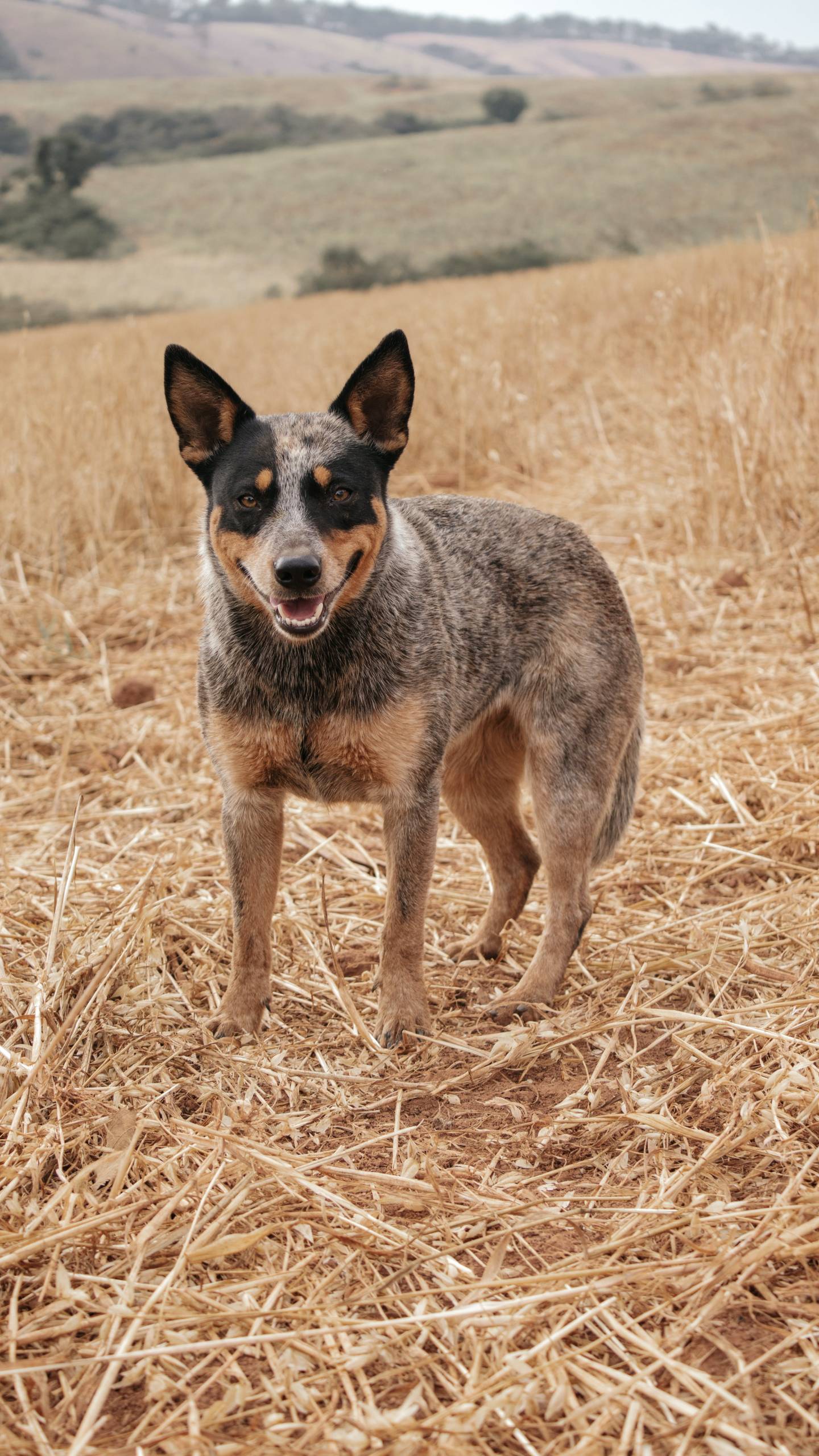
How old is 13 in dog years?
Understanding how old a 13‑year‑old dog is in “human years” does more than settle a birthday debate — it helps you make concrete care choices. People ask for social posts or party comparisons, but the practical side matters most: converting a dog’s age into a human‑age frame of reference can guide how often you visit


