Learn how to be the
best dog trainer for
your dog!

-

Dog Barking Academy: Message Behind the Bark
Dogs use barking as a flexible form of communication shaped by instinct and learning, with distinct sounds and accompanying signals that convey different intents. Why Dogs Bark Dogs produce barking for three broad communicative functions: alarm, play, and attention-seeking [1]. Barking can be an innate vocal pattern that is refined through social learning, so the…
-

10 Friendly Dog Breeds
A selection of dog breeds is presented with brief notes on temperament and care. Labrador Retriever Labradors are outgoing and reliably social with family members and guests, often described as steady and eager to engage in play and work. Adult males typically weigh 65–80 lb (29–36 kg). [1] They generally benefit from about 60 minutes…
-

Dog Alone in the House – How Long Can Your Dog Be Left Alone?
Many dog owners need to balance work and life demands with their pet’s welfare when deciding how long a dog can safely be left alone in the home. Recommended Alone-Time Limits by Age and Life Stage Typical maximum alone time and bladder-control notes by age group Life Stage Typical Maximum Alone Time Bladder/Bowel Control Note…
-

How Much Should I Feed My Dog and How Often?
Deciding how much and how often to feed a dog depends on its size, life stage, activity level, and health status. Why feeding amounts matter A 9-point Body Condition Score (BCS) scale is commonly used to classify canine body fat and guide portion adjustments for health and lifespan outcomes[1]. Correct portioning affects risk for weight-related…
-
How Long Should I Walk My Dog Every Day?
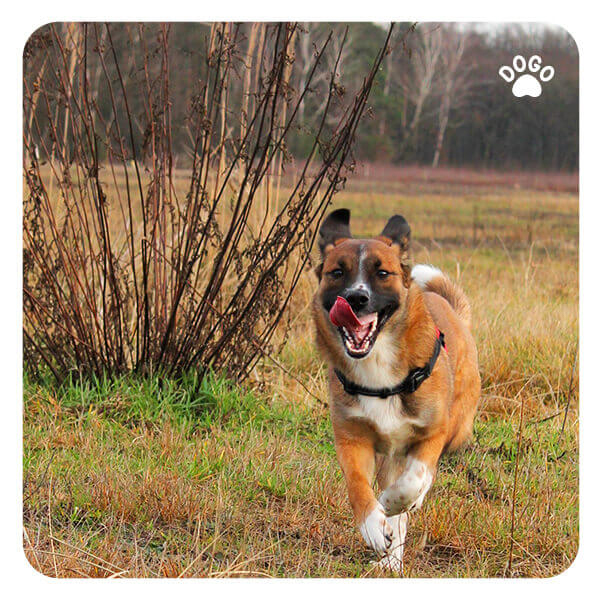
Daily walking plays multiple roles for a dog’s physical condition and mental state. Good walking habits can shape behavior, stamina, and general quality of life. Why daily walking matters Walking contributes to cardiovascular fitness and weight control, and many adult dogs benefit from about 30 to 60 minutes of daily moderate activity to help prevent…
-

Green Smoothie: Why Do Dogs Eat Grass?
Dogs commonly put grass in their mouths, a behavior that can range from occasional nibbling to more persistent grazing. The following sections cover observed patterns, possible causes, medical concerns, and practical steps for owners. Observed Behavior and Patterns Grass-eating episodes are typically described as nibbling, chewing, or uprooting strands rather than continuous grazing, and some…
Start training with Dogo today
Start our survey and receive a customized training plan tailored to your dog today!