Learn how to be the
best dog trainer for
your dog!

-
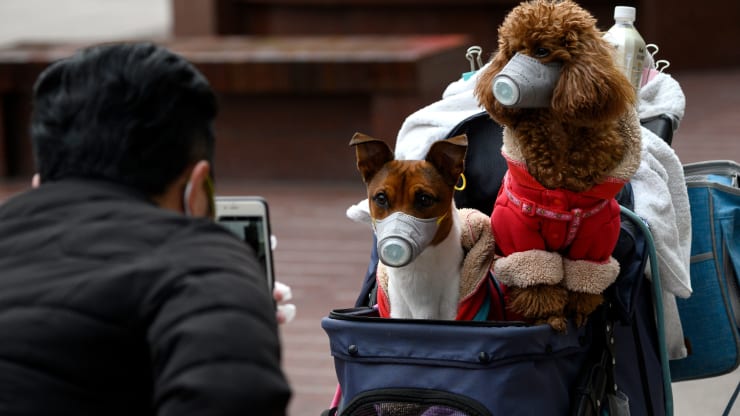
Coronavirus in Dogs. Can Dogs Get Infected?
Dogs can be affected by several different coronaviruses, which vary by the tissues they target and how they spread. Clear distinctions exist between coronaviruses that primarily infect dogs and the virus responsible for human COVID-19. Coronaviruses: basic facts Coronaviruses are enveloped, positive-sense RNA viruses in the family Coronaviridae and are grouped into four (4) major
-
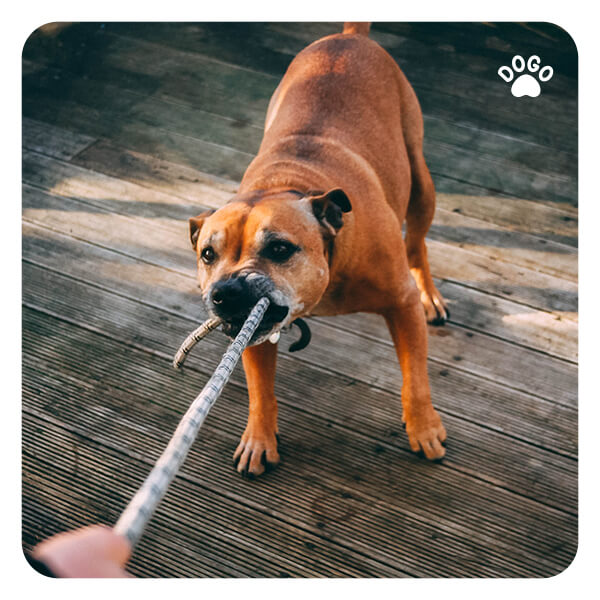
Aggression in Dogs – Recognizing the Cause
Aggression in dogs can arise from many different triggers and understanding the immediate cause helps keep people and animals safe. Clear recognition of behavioral patterns supports appropriate medical, environmental, and training responses. Common Types of Aggression Clinicians typically categorize aggression into 7 main types to help distinguish patterns and guide intervention strategies[1]. Fear-based: avoidance escalates
-

What is Better Collar or Harness?
Deciding between a collar and a harness involves understanding how each device interacts with a dog’s body and behavior so caregivers can select what best matches their needs. Collar vs Harness: Core Differences At the most basic level, collars and harnesses are distinguished by where a leash attaches and how each directs force when a
-
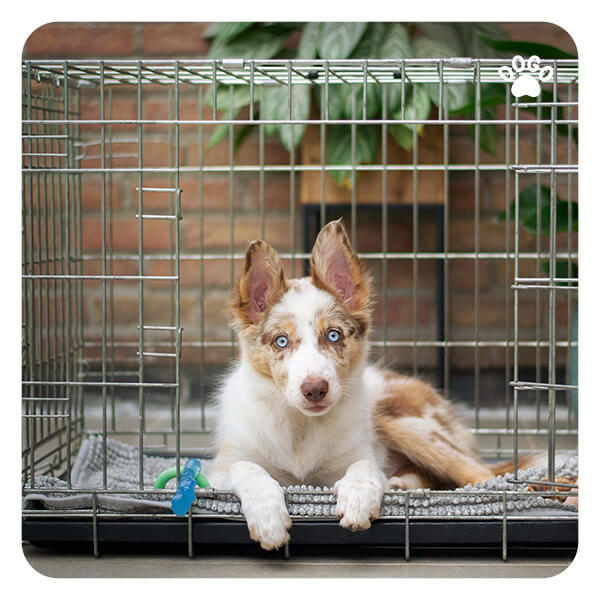
Crate Training 101
Crate training uses a den-like enclosure to give dogs a predictable, safe place to rest and to help owners manage house rules and travel needs. Benefits and core principles of crate training Crates provide a confined space that can reduce stress and prevent household accidents, and many veterinarians and veterinary texts discuss their role in
-
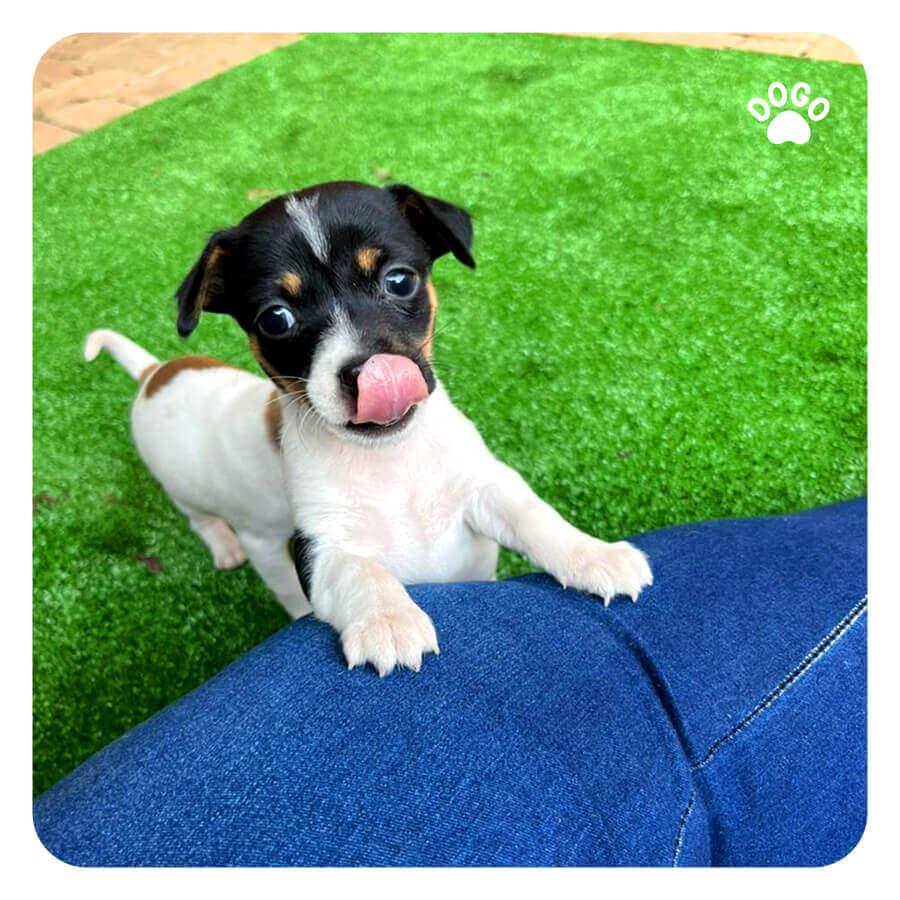
How to draw a puppy?
Drawing a puppy is an exercise in observing soft forms, playful proportions, and expressive details to convey youth and character. Materials & workspace Start with comfortable, reliable tools and a tidy workspace so your observation and marks remain consistent. Use a range of pencils and erasers suited to both crisp lines and soft tones; for
-
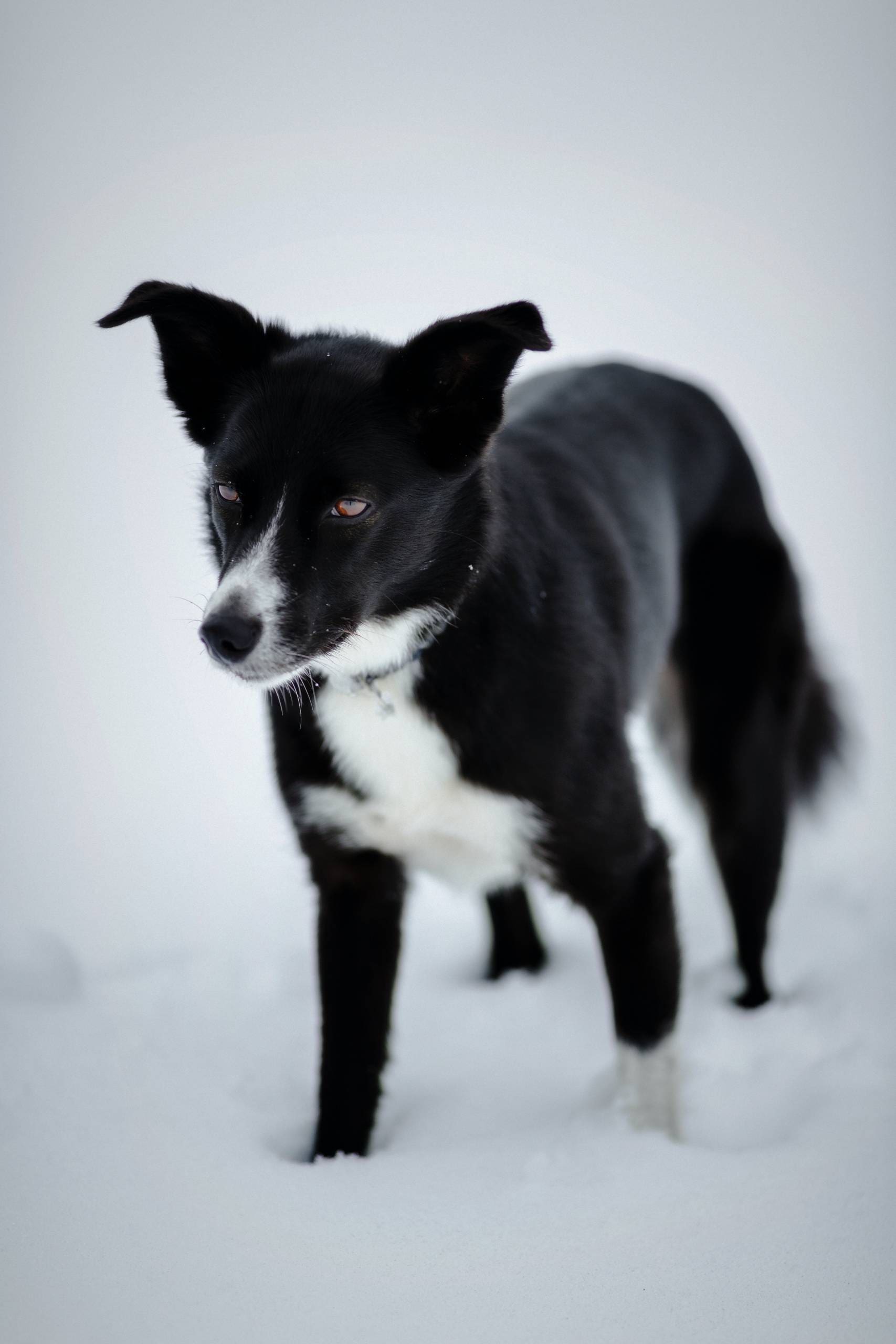
How to draw a dog realistic?
Realistic dog drawing begins with careful choices about tools, observation, and a clear understanding of underlying form and texture. Materials and workspace Select tools and a workspace that let you control line, value, and texture. Recommended tactile tools include a range of graphite pencils, a soft kneaded eraser and a firmer vinyl eraser, medium-weight drawing

Start training with Dogo today
Start our survey and receive a customized training plan tailored to your dog today!