Learn how to be the
best dog trainer for
your dog!

-
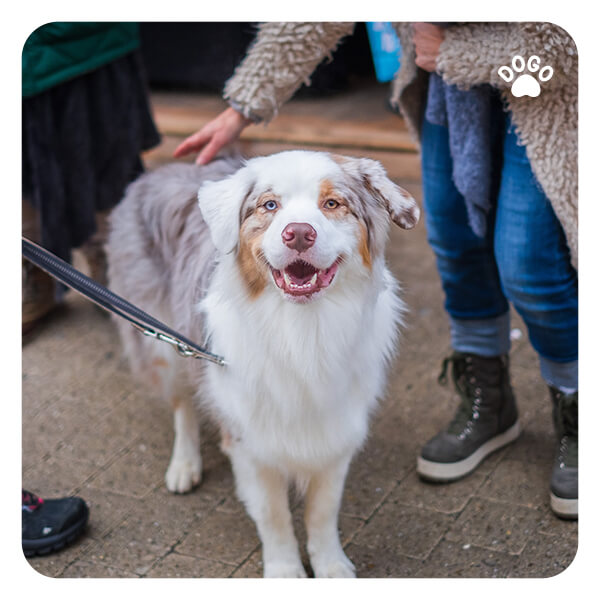
Dog Aggressive Towards People
Dog aggression toward people can take many forms and requires careful assessment of signals, context, and safety measures. Accurate classification and measured responses help protect people and provide appropriate care for the dog. Types of aggression Aggressive behavior toward people is usefully categorized to guide diagnosis and intervention. Common clinical categories include defensive aggression, redirected
-

When to Take Your Dog to a Vet
Recognizing when a dog needs veterinary attention depends on observing specific signs and responding according to severity. Life‑threatening emergencies Sudden collapse, unconsciousness, or an inability to breathe are immediately life‑threatening and require rapid action; seek emergency veterinary care without delay[1]. If a dog is unresponsive but breathing, keep the airway open, monitor breathing and pulse,
-

How Can You Stop Your Dog From Consuming Toxic Food?
Dogs can be at risk when they access certain human foods, and practical prevention reduces accidental ingestions. Awareness of common culprits, prompt recognition, and consistent household practices help protect pets. Common toxic foods and mechanisms Xylitol, an artificial sweetener in many sugar-free products, can cause rapid hypoglycemia and liver injury in dogs at low doses;
-

Crate Training for a Good Night Sleep
Crate training can clarify nighttime expectations and the physical sleep setup for a dog. Why Crate Training Improves Nighttime Sleep Crates tap into a dog’s den-oriented behavior and predictable containment to reduce common nighttime disruptions; many behaviorists recommend a gradual crate introduction over 1–2 weeks to build a positive association with sleep and alone time[1].
-

Which Dog is Best for Me? Choosing the Right Dog
Choosing a dog starts with an honest look at how a pet would fit into your everyday rhythms and long-term plans. Define Your Lifestyle and Time Availability — Clarify daily routines, work/travel patterns and future plans to ensure you can meet a dog’s time and attention needs. Begin by tracking how many hours you realistically
-
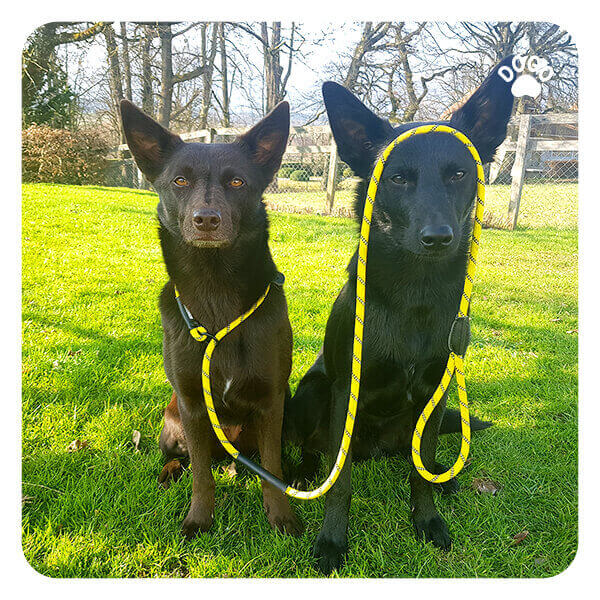
Which Leash Should I Choose For My Dog?
Choosing the right leash involves more than fashion; it affects how you manage your dog and how your dog experiences walks and training. Why leash choice matters Leash length and design directly change stopping distance and handler control; a 4- to 6-foot (1.2–1.8 m) standard lead is commonly recommended for general walking because it balances
Start training with Dogo today
Start our survey and receive a customized training plan tailored to your dog today!