Learn how to be the
best dog trainer for
your dog!

-
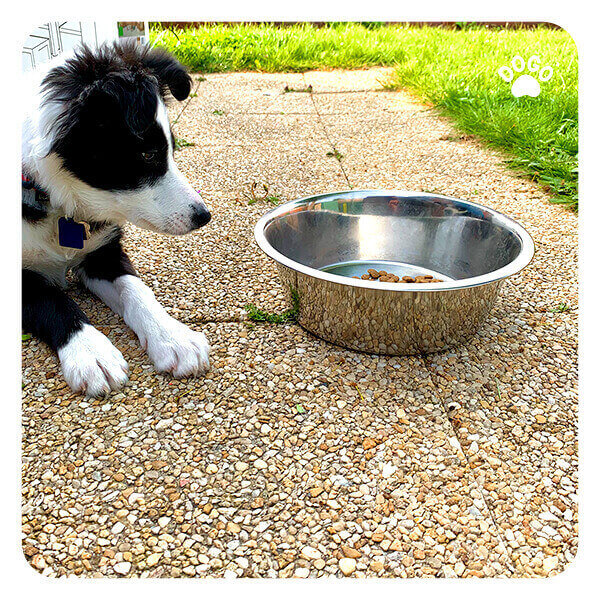
Home-cooked Food Recipes for Your Puppy
Home-cooked meals for growing dogs demand careful attention to nutrients, portioning, and food safety so puppies develop normally. The following sections describe core needs, practical recipes, and safe handling for owners preparing homemade puppy food. Puppy Nutritional Essentials Growing puppies require higher nutrient density than adult dogs, especially for protein and energy; recommended growth formulas
-
What is “Jackpot” in Dog Training?
Jackpot refers to a deliberately larger or specially valued reward used to reinforce an exceptional response from a dog during training. It is meant to be more salient than standard rewards to strengthen motivation and learning. What is a Jackpot in Dog Training? A jackpot is a disproportionately large or higher-value reward given immediately after
-
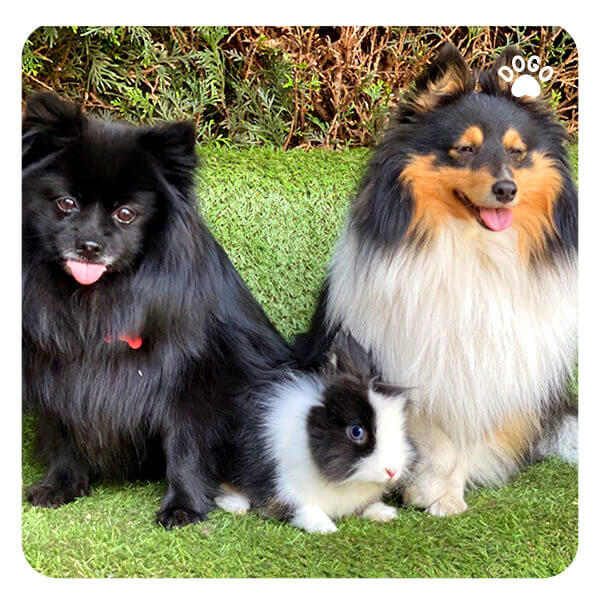
How to Introduce a Rabbit to Your Dog
Introducing a rabbit to a dog is a staged process that emphasizes safety, reading body language, and slow progression. Successful introductions combine veterinary checks, controlled meetings, and consistent training. Assess dog and rabbit readiness Begin by evaluating both animals’ temperaments and histories before any direct interaction. Watch for dog prey-drive cues such as intense staring,
-
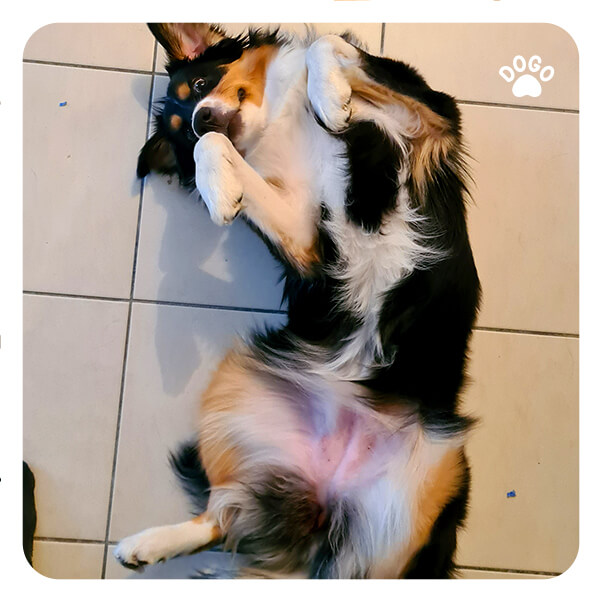
My dog Rolls on Their Back – Is That Normal?
Dogs roll onto their backs for many reasons ranging from simple comfort to signals aimed at other animals or people. Observing the rest of the dog’s posture and the context around the behavior helps clarify whether it is friendly, attention-seeking, or a sign of a medical problem. Common Reasons Dogs Roll on Their Backs One
-
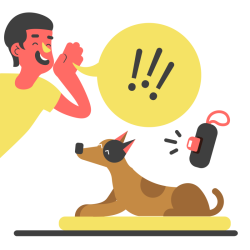
Luring Shaping Capturing. Dog Training Methods.
Luring, shaping, and capturing are three distinct training methods used to teach dogs behaviors by arranging antecedents and consequences. Each method uses reinforcement differently to achieve predictable changes in behavior. 1. Luring, Shaping, and Capturing — Definitions and Core Differences Luring uses a visible reward or hand to guide a dog through the exact motion
-
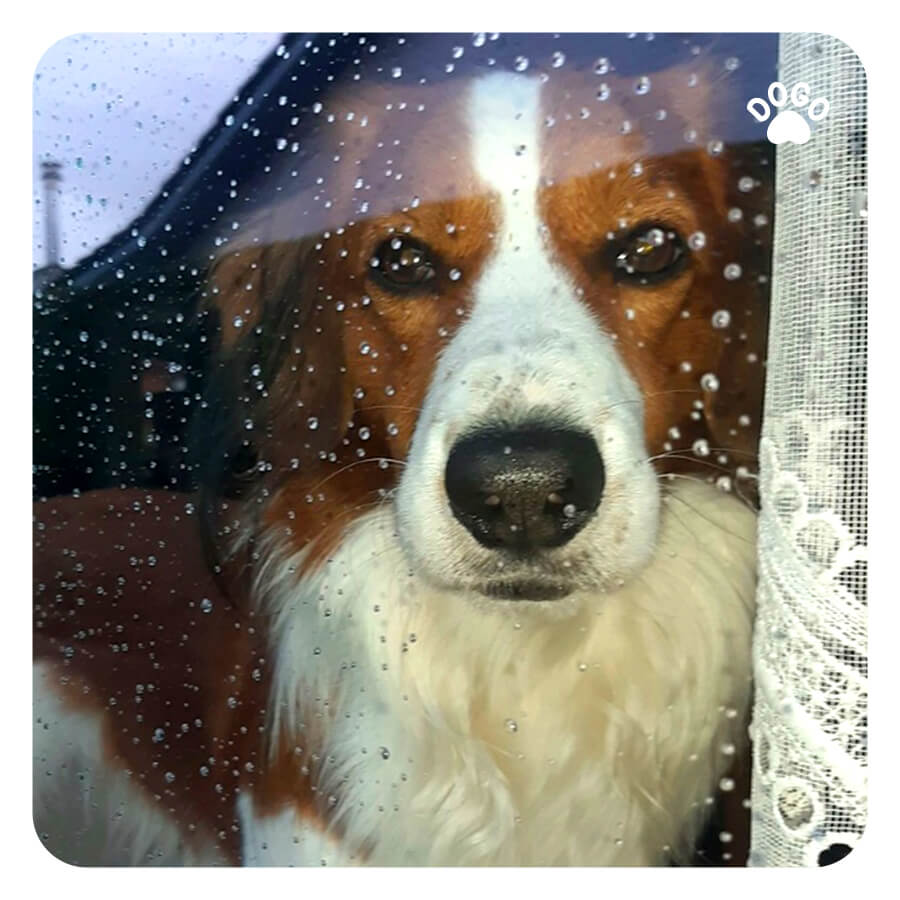
Back to Work? Prevent Your Dog from Separation Anxiety
Many dogs struggle when left alone, and households adjusting to a return to on-site work should plan for gradual changes to prevent stress-related behaviors. Recognize separation anxiety: signs and severity Separation-related distress commonly shows as excessive vocalizing, destructive behavior, pacing, drooling, or inappropriate elimination when a dog is alone. [1] Signs often start within the
Start training with Dogo today
Start our survey and receive a customized training plan tailored to your dog today!