Learn how to be the
best dog trainer for
your dog!

-
What are dog days?
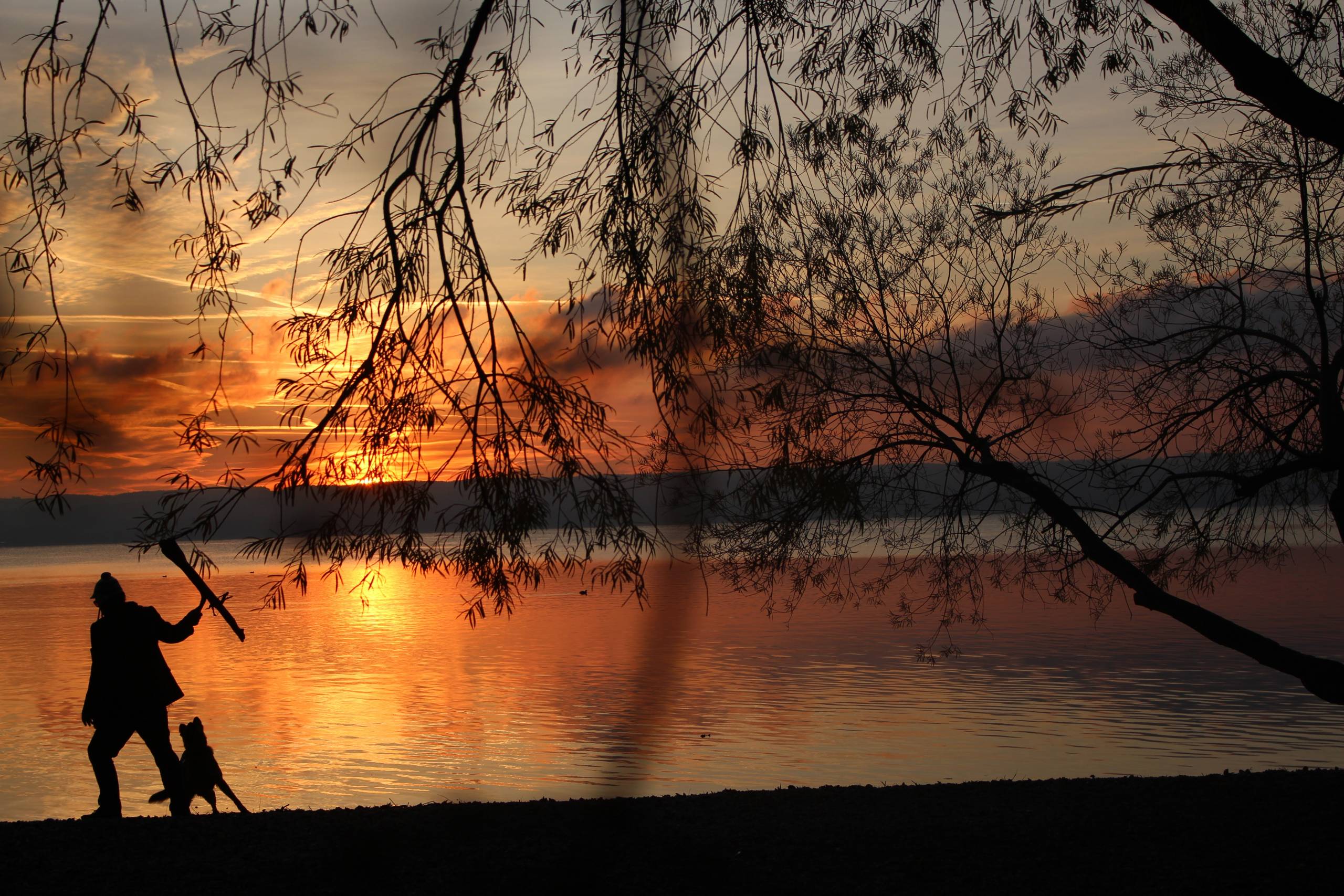
Understanding “dog days” matters because hot, humid stretches change how you manage a dog’s day-to-day life. I regularly see owners underestimate how much a single hot afternoon can alter safe walking times, grooming needs, and travel plans. Knowing when and why heat becomes dangerous helps you protect comfort and prevent serious illness, especially in situations
-
Why do dogs give you their paw without asking?
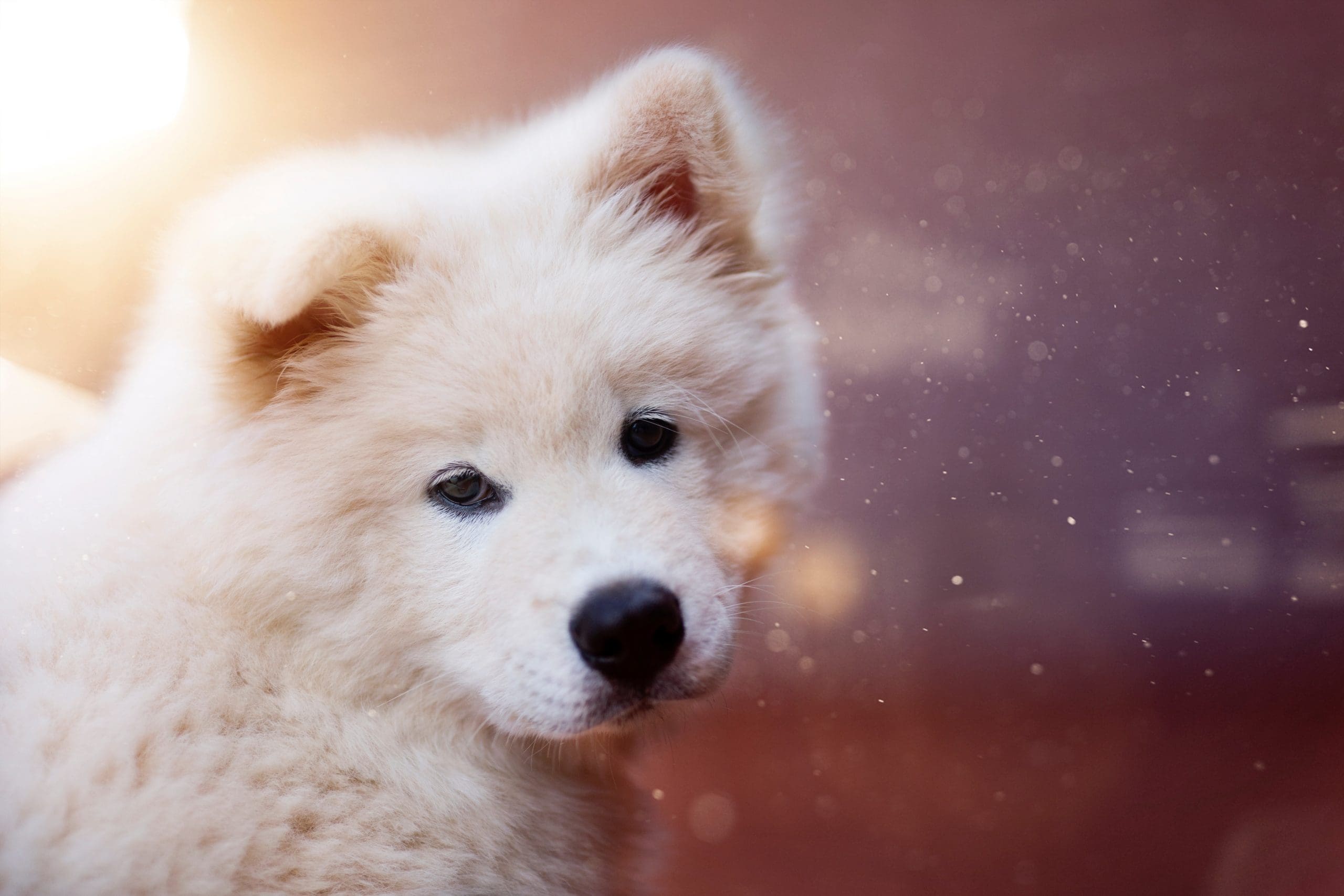
Dogs offering their paw without being asked is a small, frequent behavior that matters more than it looks. For anyone who lives with or cares for dogs it appears at doorways, during sofa cuddles, in the middle of training sessions and sometimes at the vet clinic. That single paw can be a greeting, a request,
-
What do fleas look like on dogs?
Recognizing fleas on your dog matters because early identification changes how fast you act, which affects your dog’s comfort and the health of everyone in the household. This article walks through what fleas look like on dogs, why they behave as they do, how to check and respond, and what to do if the problem
-
Where to watch courage the cowardly dog?
I grew up watching many animated dogs, and as a veterinarian and behaviorist I see why Courage the Cowardly Dog continues to matter to people who love dogs: it places a clearly canine character at the center of stories about protection, fear, and loyalty. That combination gives viewers—especially pet owners—a chance to notice canine-like emotional
-

How to groom a dog?
Grooming a dog is more than aesthetics: it’s a routine that supports health, comfort and the relationship between you and your dog. Below I outline why it matters, a fast-action plan for busy owners, the biology under the coat, when to groom, what to watch for, a step-by-step home routine, how to set up and
-
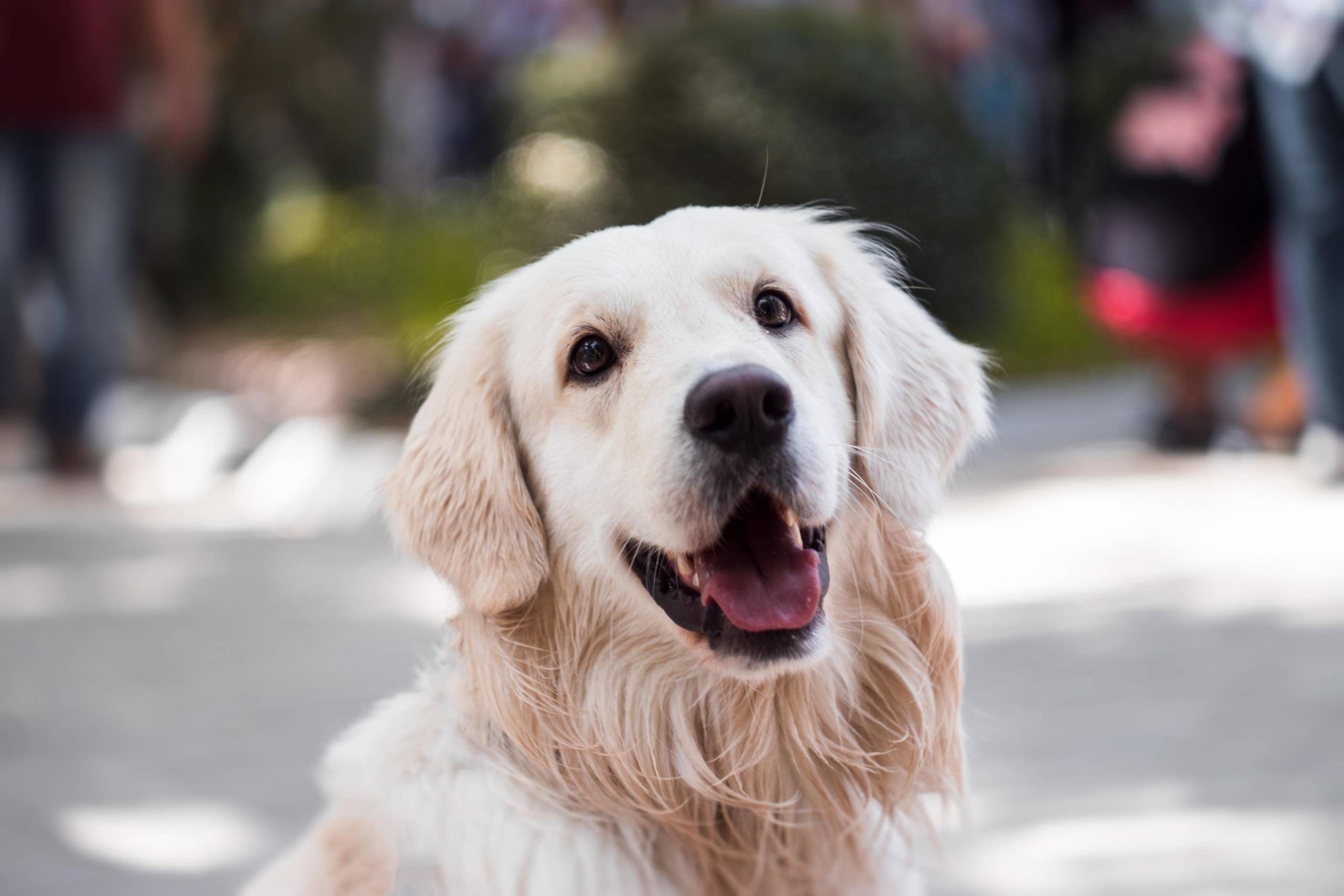
When is it too hot to walk your dog?
Deciding whether it’s safe to walk your dog on a warm day is one of those ordinary choices that can have serious consequences; owners face it during morning or evening routines, when traveling, in heat waves, or when caring for pups, seniors and short-nosed breeds—and the right call often depends on details beyond the air


Start training with Dogo today
Start our survey and receive a customized training plan tailored to your dog today!