
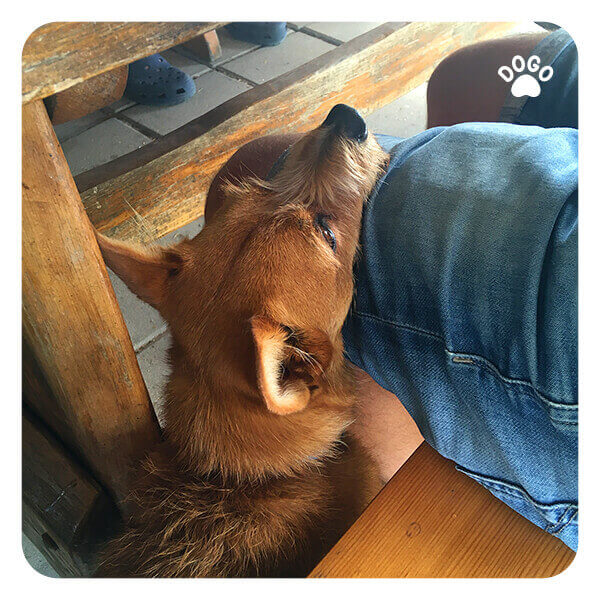
Dog Begging for Food at the Table
Post Date:
October 26, 2023
(Date Last Modified: November 13, 2025)
Dogs beg at the table for many reasons ranging from habit to physiological need, and understanding those reasons helps shape appropriate responses.
Causes of Table Begging
Begging commonly stems from learned reinforcement: when a dog receives food, attention, or access after soliciting, the behavior is more likely to recur. Behavioral position statements note that intermittent reinforcement schedules are particularly persistent; even a low reward probability such as 10% of opportunities can maintain solicitation behavior over long periods [1].
Innate factors also play a role. Many breeds retain foraging or scavenging drives that favor food-stealing or close proximity to human meals, and puppy stages include solicitation and begging behaviors that are shaped by social learning and rewards from people.
Medical or nutritional drivers should not be overlooked: true hunger, rapid growth phases, or nutrient deficiencies can increase food-seeking. Distinguishing learned begging from biologic need is an important first diagnostic step before intensive behavior modification.
Recognizing Begging Signals
Begging tends to follow predictable body language and temporal patterns that owners can learn to identify. Typical signals include focused eye contact at the plate, pawing at a person or table edge, whining or soft vocalizations during mealtime, and lingering near seats used by humans while food is present.
- Direct stare or alternation between looking at food and the owner
- Pawing at laps, the table, or the person
- Persistent proximity and stationary waiting during meals
- Vocal solicitations timed specifically for human mealtimes
Context matters: begging that occurs only during guest meals or when particular high-value foods are present is more likely food-driven, while attention-seeking begging often appears in other situations (for example, when people are on the couch) and is reinforced primarily by social interaction rather than ingestion.
Health and Safety Risks of Feeding from the Table
Feeding table scraps increases exposure to toxic foods and physical hazards; many common human foods can be dangerous for dogs and should be avoided. Overfeeding from the table also contributes to excess caloric intake: typical adult-maintenance energy needs for dogs are approximately 25–30 kcal/kg/day, and excess table calories can easily push total intake above recommended targets [2].
Hydration and metabolism are additional clinical considerations; normal daily water intake for most adult dogs is roughly 50–60 mL/kg/day, and changes in appetite or thirst patterns that accompany begging may signal underlying illness warranting veterinary assessment [3].
Pushing high-fat human foods can precipitate pancreatitis in susceptible individuals; clinicians often caution that diets or snacks supplying more than about 20% of calories from fat raise the risk of acute pancreatitis in some dogs, so sharing fatty table foods should be avoided [6].
Beyond physiologic risk, consistent table feeding reinforces nuisance behaviors, complicates household management and can lead to conflict among family members about who may or may not feed the dog.
Training Principles That Stop Begging
Effective interventions rest on three pillars: consistent consequences, reinforcing an incompatible alternative, and management to prevent accidental rewards. Rewarding a stationary, calm behavior is more effective than punishing begging, because punishment can increase anxiety and covertly reinforce attention-seeking.
Start training with short, achievable steps: for example, structured protocols often recommend beginning with a 5–10 second “place” duration and increasing that hold time in small, predictable increments until the dog reliably stays for several minutes in the designated spot [4]. Timing of reinforcement is critical: immediate, contingent rewards for the alternative behavior teach the dog what is expected.
Management includes removing the opportunity to be rewarded accidentally — that can mean physical barriers, scheduled meals instead of free-feeding, and explicit family rules about not handing table food.
Preventive Meal-Table Management
Household changes reduce begging opportunities before intensive training is required. Tactical options include using baby gates or closed doors, seating the dog away from the dining area, crate or mat stations during meals, or placing a secondary food-dispensing activity at mealtime.
Feeding schedules and pre-meal routines help: puppies typically do best with 3–4 small feedings per day, whereas most adult dogs are fed 1–2 times daily — aligning scheduled meals with family mealtimes reduces the dog’s expectation of ad hoc handouts [5].
Communicate rules clearly to visitors and family: assign a single person responsible for training consistency, and post or state a short house rule (for example, “No table food to dogs”) so guests do not accidentally reinforce begging.
Immediate Responses When a Dog Begs
When a dog solicits at the table, the most effective immediate responses are neutral and non-reinforcing. Ignoring the behavior — avoiding eye contact, turning slightly away, and refraining from verbal scolding or petting — removes the social rewards that sustain attention-driven begging.
Offer an allowed alternative: a long-lasting chew, a stuffed food puzzle, or a treat-dispensing toy can occupy the dog during your meal and redirect focus away from the table. Always avoid feeding directly from the table or responding emotionally (laughing, yelling, or rewarding with scraps) because those reactions maintain or intensify the solicitation.
Step-by-Step Training Protocols
Use graduated, reward-focused exercises that build duration, distance, and generalization. A common protocol is:
– Teach a reliable “place” cue with the dog moving to a mat and receiving immediate low-value treats; increase hold times gradually and only reward calmness.
– Run short trials during actual mealtimes: initially place the mat several feet from the table, then move it progressively farther away or increase the duration before rewarding, following the incremental timing guidelines noted in training standards [4].
– Generalize by practicing in different rooms, with different family members, and with varying types of food present so the behavior holds across contexts.
| Step | Duration | Reward Type | Goal |
|---|---|---|---|
| Initial | 5–10 seconds | High-value treats | Dog goes to mat on cue |
| Short extension | 30 seconds | Intermittent treats | Remains calm while food visible |
| Intermediate | 2 minutes | Occasional treats + praise | Resists getting up during meal |
| Maintenance | 5+ minutes | Sparse rewards, life rewards | Polite behavior generalizes |
Troubleshooting Common Challenges
Relapse is usually due to intermittent reinforcement: if even one household member occasionally feeds from the table, the dog will continue to test the behavior. Expect setbacks and respond by tightening management and re-establishing consistent rewards for the alternative behavior; if improvements stall after 2–4 weeks of consistent training, review daily management and reinforce shorter, more frequent training trials [1].
Multi-dog households require additional planning: resource-guarding or competition can increase begging; feeding dogs separately and providing individualized “place” cues reduces conflict. For high-food-drive breeds or very young puppies, increase the rate of reinforcement for desired behavior initially and then thin rewards gradually.
Special Situations and Considerations
Adjust training for life stage and medical constraints. Senior dogs with dental pain, metabolic disease, or cognitive dysfunction may express increased food-seeking; when appetite or begging patterns change suddenly, a veterinary assessment is appropriate to rule out underlying illness.
Holiday meals and cultural practices often increase begging opportunities; preemptive management — such as a pre-meal walk, extra enrichment, and clear guest instructions — is particularly important during these high-risk times. If a dog has a history of pancreatitis or other diet-sensitive conditions, avoid all table sharing of fatty or rich foods and follow veterinary dietary guidance regarding fat composition and portioning [6].
When to Seek Professional Help
Consult a veterinarian if begging is accompanied by unexplained weight loss or gain exceeding about 10% of body weight, marked changes in appetite, polyuria/polydipsia, or other signs of systemic disease, as these can indicate metabolic or endocrine disorders requiring diagnostics and treatment [2].
Refer to a certified force-free trainer or a veterinary behaviorist when begging persists despite consistent, well-managed training, when there are multiple household members who cannot agree on a plan, or when the dog displays intense food-related aggression or anxiety; qualified professionals will provide assessment, individualized behavior plans, and follow-up. Expect behavior modification programs to require weeks to months of practice and management to achieve lasting change.
Sources
- avsab.org — American Veterinary Society of Animal Behavior.
- merckvetmanual.com — Merck Veterinary Manual (clinical nutrition and weight change guidance).
- avma.org — American Veterinary Medical Association (fluid and general care recommendations).
- aaha.org — American Animal Hospital Association (training and behavior resources).
- wsava.org — World Small Animal Veterinary Association (feeding frequency and preventive care).
- vcaanimals.com — VCA Animal Hospitals (dietary risks and pancreatitis guidance).
