
Category: Canine Body Language
-

Dog Body Language – What is Your Dog Trying to Tell You?
Reading a dog’s body language helps you interpret its emotional state and intentions so you can respond appropriately. Observing posture, facial cues, tail movement, and vocalizations gives context to behavior. Why Dog Body Language Matters Recognizing signals reduces the chances of miscommunication between people and dogs and can prevent injuries; approximately 4.5 million dog bite
-
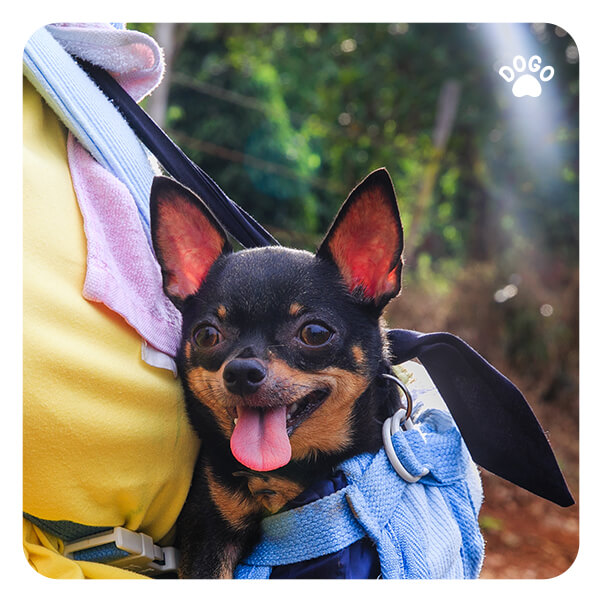
Dog Panting Explained
Panting in dogs is a breathing behavior that involves open-mouth respiration and changes in airflow and moisture to influence body heat and breathing effort. What is panting? Panting is rapid, open-mouth breathing during which air flows over the moist surfaces of the tongue and upper respiratory tract to promote evaporative cooling and increase ventilation; this
-

Dog Tail Wags – What Do They Mean?
Dogs use their tails as part of a complex set of body signals to communicate emotion, intent, and social information to other dogs and to people. Why tail wags matter Tails are an important visual channel in canine social signaling because they change position, motion, and shape to convey state and intention. Reading tail signals
-

5 Reasons Why Your Dog Kisses You
Dogs often lick their human companions, and that behavior can come from many social, sensory, and learned motivations. Affection and Bonding Licking frequently functions as an affiliative signal between dogs and people and is tied to neurochemical responses during close interaction. Experimental studies found oxytocin levels in dogs and owners rise after prolonged mutual gaze
-

Why Dog Lifts Their Front Paw?
Dogs raise a front paw for many reasons that depend on posture, context, and individual history. Reading the surrounding signals helps determine whether the gesture is communicative, learned, instinctive, or medical. Types of Paw Lift A single brief lift that lasts under 2 seconds often accompanies a dog shifting attention or preparing to move, and