
Category: Canine Body Language
-

Dog Sleeping Positions – What Do They Mean?
Descriptions of common dog sleeping positions and associated observations. Why dog sleeping positions matter Sleep posture offers visible clues about a dog’s comfort, physical state, and immediate needs, and can be a nonverbal signal owners, trainers, and clinicians use during routine observation. Adult dogs typically sleep about 12 to 14 hours per day under normal…
-
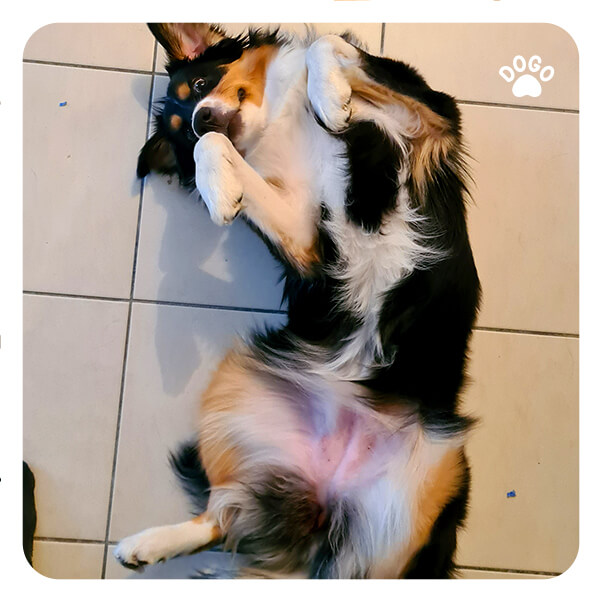
My dog Rolls on Their Back – Is That Normal?
Dogs roll onto their backs for many reasons ranging from simple comfort to signals aimed at other animals or people. Observing the rest of the dog’s posture and the context around the behavior helps clarify whether it is friendly, attention-seeking, or a sign of a medical problem. Common Reasons Dogs Roll on Their Backs One…
-

Dog Sniffing Each Other. What Does It Mean?
Dogs rely heavily on scent to gather information about their environment and other animals, using specialized anatomy and behavior to sample and interpret chemical cues. Why Dogs Sniff: The Biology of Canine Scent The canine nose is anatomically and neurologically specialized for detecting, separating, and interpreting odor molecules. The nasal cavity contains complex turbinate bones…
-

Dog Showing Teeth – What Your Dog’s Mouth Tells You
Dogs show their teeth in many different facial configurations, and reading those signals alongside posture and context helps determine intent and risk. Visual types of teeth display There are four common forms: snarl, grimace, grin, and open-mouth play-bared teeth.[1] When observing lip position, note whether lips are retracted straight back, curled upward, or held loosely;…
-

Why Do Dogs Shake Their Ears or Head?
Dogs commonly shake their ears or head as part of normal grooming and balance behavior, but similar movements can also signal medical problems that need attention. Typical ear- and head‑shaking behavior Brief, single shakes that last about 1–3 seconds are normal grooming responses after water, play, or a surprise sensation[1]. Repetitive shaking that occurs more…
-
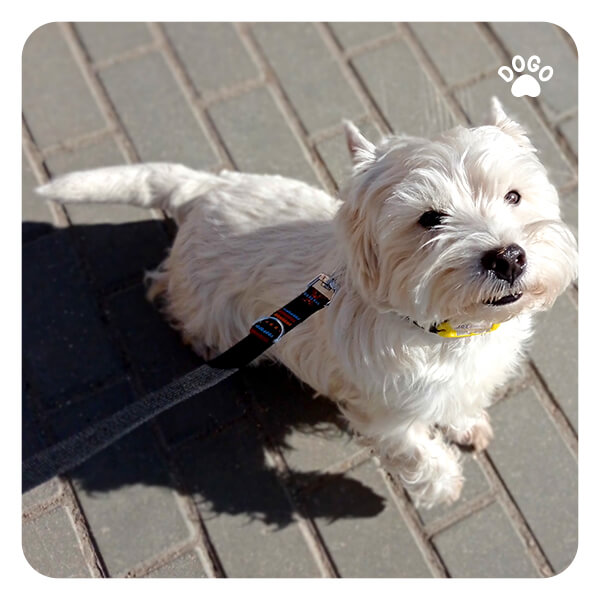
Dog Tail Positions – What Do They Mean?
Dog tails are made of bone, muscle, skin, and nerves and move in ways that communicate internal state through posture and motion. Tail Anatomy & Movement The visible tail is an extension of the vertebral column composed of vertebrae, connective tissue, muscles, blood vessels, and nerves; anatomically, the tail includes three primary tissue types: vertebrae,…