My Puppy Doesn’t Like Walks. What to Do?
Post Date:
October 22, 2023
(Date Last Modified: November 13, 2025)
Your puppy refusing walks can have many causes ranging from physical discomfort to fear or unfamiliar equipment.
1. Rule Out Medical Causes
When a puppy avoids walks, start by checking for medical problems because pain or illness commonly reduces activity. A physical exam and targeted tests can identify issues such as ear infections, joint pain, or gastrointestinal discomfort; maintenance fluid needs and clinical calculations are often expressed in mL/kg/day—maintenance fluid needs are about 60 mL/kg/day for many healthy puppies, which helps guide hydration assessment[1]. If your puppy shows limping, reluctance to put weight on a limb, or cry when handled, discuss imaging or joint evaluation with your veterinarian because untreated pain will prevent successful behavior work[1].
2. Check Gear and Physical Comfort
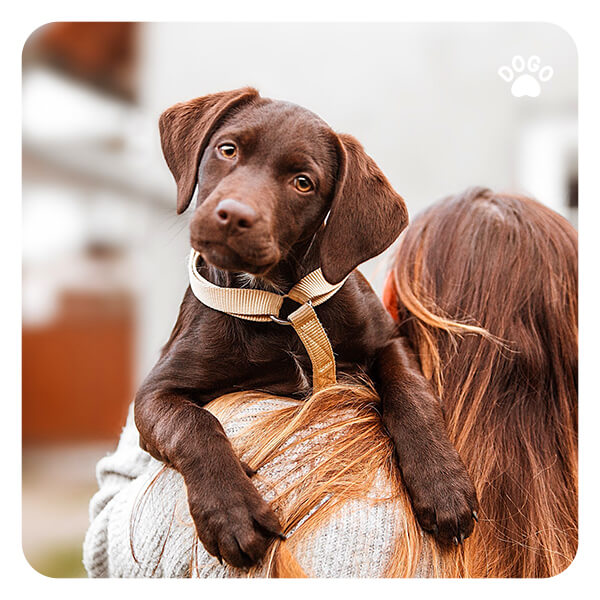
Ill-fitting equipment can make walking uncomfortable and lead a puppy to refuse leaving the house. A harness that sits correctly should allow roughly 1–2 inches (2.5–5 cm) of slack at the chest strap without slipping, and switching from a choke or prong collar to a well-fitting harness is often advised for small or sensitive puppies[2]. Inspect paw pads after indoor and outdoor time for cuts or hot pavement burns, and on very small or toy breeds consider a front-clip harness to reduce neck strain[2].
3. Understand Behavioral Triggers
Puppies pass through distinct developmental windows that affect their reactions; socialization and fear periods are especially influential. The primary socialization window is most critical between about 3–14 weeks of age, and negative or limited experiences during that time can make certain sights, sounds, or surfaces trigger avoidance later[3]. Even after that window, puppies can learn new reactions but will need systematic, patient retraining if they developed a fear association earlier[3].
4. Reduce Fear: Desensitization & Counterconditioning
Work at a distance and intensity the puppy can handle: begin where the puppy shows only mild stress, then pair calm presence with something the puppy values so the cue becomes positive. Start by rewarding calm behavior every 30–60 seconds while the puppy is comfortable, then slowly decrease distance or increase the challenge as the puppy succeeds without escalation of fear[4]. If a noise, object, or surface is the trigger, create short, frequent, predictable exposures rather than long sessions that can overwhelm the puppy[4].
5. Use Reward-Based Training
Positive reinforcement builds desired behavior without increasing anxiety. Use tiny, high-value treats roughly 1/4 inch (6 mm) in size and keep sessions short—about 5–10 minutes, 2–3 times per day—to keep motivation high and prevent fatigue in young puppies[5]. Mark the behavior you want immediately (with a click or a brief word) and follow quickly with reward so the puppy learns that walking calmly or approaching novel stimuli earns something pleasant[5].
6. Gradual Walk-Building Plan
A stepwise plan helps puppies associate walks with predictable, manageable steps. Progress is individual, but a simple framework is to build duration and exposure gradually while keeping every session positive. The table below gives a concise 4-week example progression many trainers and clinics use as a starting template; adjust pace to your puppy’s comfort and veterinary advice.
| Week | Goal | Session length | Focus |
|---|---|---|---|
| 1 | Comfort with gear and short porch/outdoor exposure | 5–10 minutes | Equipment, treats, quiet short outings[2] |
| 2 | Short walks where puppy is relaxed | 10–15 minutes | Slow distance increases, reward every 30–60 sec[4] |
| 3 | Introduce mild distractions and new surfaces | 15–20 minutes | Counterconditioning to noises and surfaces[3] |
| 4 | Longer, more varied routes if comfortable | 20–30 minutes | Varied routes, more rewards for engagement[5] |
7. Make Walks Fun and Enriching
Incorporate play, choice, and problem-solving to make outings desirable. Offer a mix of reward types (treats, praise, brief play), pause frequently to allow sniffing and exploration, and create short games such as “find it” where the puppy chooses a direction and is rewarded for moving forward. Varying the route and adding brief positive interactions with calm, friendly dogs or people (when vaccinated and safe) increases novelty and enjoyment without forcing exposure to overwhelming stimuli[3].
8. Manage Common Walk Problems
- Refusal at the door: try mini-steps—reward two or three calm breaths near the doorway, then a step outside, then back in—keeping each step predictable and immediately reinforced.
- Pulling or lunging: stop moving until attention returns, then reward a single step toward the intended direction; practice for short bursts and build duration with rewards.
- Loud noises or sudden movements: increase distance from the trigger until the puppy is calm and use counterconditioning to pair the trigger with positive outcomes.
- Paw sensitivity: check pads and nails; if painful, consult a veterinarian for diagnosis and short-term pain control before retraining.
9. Plan Practical Logistics and Safety
Pay attention to weather, surface temperature, and vaccination status when planning outings. Avoid walks on very hot pavement and limit exposure when ambient temperatures exceed comfort levels; as a rule of thumb, many guidelines advise extra caution at temperatures above 85°F (29°C) for young or short-nosed puppies and shorten or reschedule walks accordingly[5]. Carry small, measured water portions on longer outings and offer frequent, brief sips—if calculating replacement or maintenance fluids for a dehydrated puppy, use the clinical guideline of mL/kg/day appropriate for size and condition and consult your veterinarian for exact dosing and route[1].
When to Consult a Professional
If your puppy shows persistent refusal to walk despite basic checks, get veterinary input for pain, neurologic signs, or systemic illness; seek urgent care if the puppy will not bear weight for 24 hours or more[1]. If appetite, water intake, or energy are markedly reduced for 48 hours, veterinary evaluation is recommended to exclude medical causes that can mimic behavioral avoidance[1]. For behavior-specific concerns, a certified applied animal behaviorist or an experienced veterinarian behaviorist can provide tailored plans; many behavior consultations involve an initial assessment followed by ongoing sessions, commonly ranging from 3 to 8 sessions over several weeks depending on complexity[4].
Medication and Short-Term Management
When fear or anxiety is severe enough to block progress, short-term use of veterinarian-prescribed anxiolytics or sedatives can make behavioral work feasible; some medications show clinical effects within 1–2 hours for immediate reduction of panic-level responses but are best used alongside training rather than as a sole solution[4]. Discuss possible side effects and monitoring with your veterinarian and never use human medications without professional guidance; drug selection and dosing should be individualized and adjusted to weight, age, and medical status with clinical guidance from your veterinarian[1].
Tracking Progress and Adjusting the Plan
Keep concise, consistent records so you can objectively review improvement: note session date, duration in minutes, observable stress signs using a simple 0–5 scale, and what reward worked that day. Many trainers recommend 2–3 short sessions per day of 5–15 minutes each for puppies to maintain motivation and learning without fatigue[5]. If you see steady improvement in engagement or reduced stress scores across a 2–4 week period, continue the plan and gradually increase challenge; if progress stalls after 4 weeks despite consistent work, consult a behavior professional for plan modification[4].
Special Populations and Breed Considerations
Certain breeds and conformations need extra care: flat-faced (brachycephalic) puppies can overheat or fatigue more quickly and may need shorter, cooler outings—exercise caution above 85°F (29°C)[5]. Very small or toy-breed puppies can show brittleness and higher injury risk during handling; aim for gentler harnesses and brief, frequent exposure sessions rather than long excursions, and consider indoor enrichment as part of their activity quota[2]. Puppies recovering from orthopedic conditions may have specific weight-bearing limits; follow veterinary recommendations closely for activity restrictions and stepwise increases in exercise[1].
Owner Wellbeing and Consistency
Owner calmness and predictability influence puppy responses: handlers who use slow, confident movements and a neutral tone reduce the chance of accidental reinforcement of avoidance. Plan for a minimum of several weeks of consistent, short practice—daily consistency of even 5–15 minutes builds predictable outcomes and reduces relapses[5]. If multiple household members are involved, agree on identical cues, reward types, and criteria for progression so the puppy receives clear, consistent signals across handlers[3].
Sources
- merckvetmanual.com — clinical guidance and fluid calculations.
- aaha.org — equipment fit and general canine care recommendations.
- wsava.org — socialization windows and behavior principles.
- vcahospitals.com — desensitization and counterconditioning procedures.
- avma.org — practical training session lengths, treat size guidance, and environmental safety considerations.
- vcahospitals.com — desensitization, counterconditioning, and behavior management.
- avma.org — training session lengths, environmental safety, and practical care guidance.