
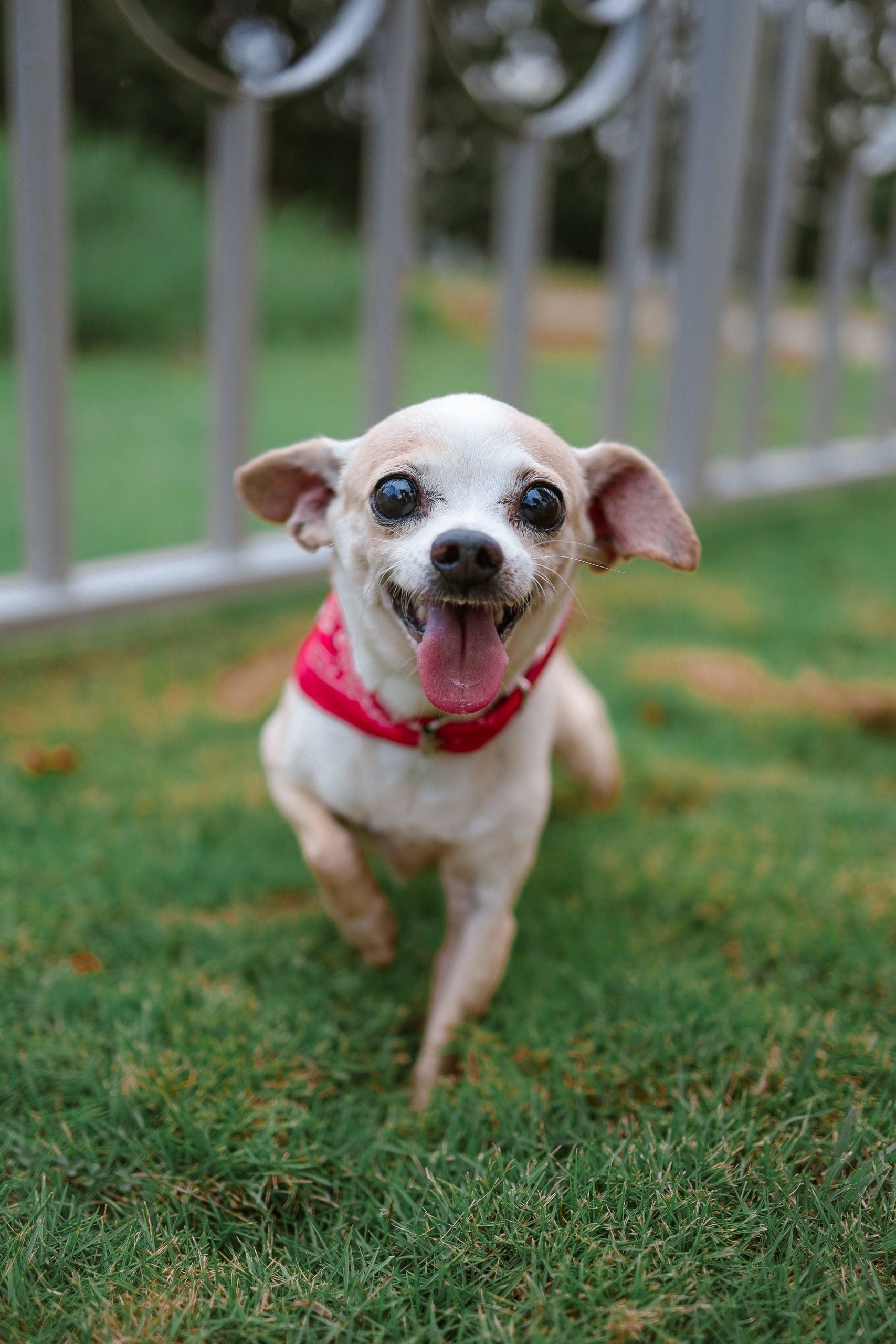
Why do dogs have anal glands?
Post Date:
December 5, 2025
(Date Last Modified: February 5, 2026)
As a veterinarian who has examined many anxious owners and their dogs, I find the question “Why do dogs have anal glands?” comes up more often than you might expect. Understanding these small structures helps reduce worry, guides better grooming and feeding choices, and explains behaviors that can be embarrassing or alarming—like scooting across the carpet or sudden, powerful odors after a walk.
What anal glands mean for your dog’s health and behavior
Anal glands play a quiet but important role in canine life. For dogs, scent is a primary channel of communication; those secretions help convey identity, sex, and perhaps social status to other dogs. When the system works smoothly, most owners never notice it—or only notice it as a harmless, sometimes funny smell. When the system goes awry, it causes discomfort, chronic licking, or infections that affect grooming, play, and the human–dog bond. Knowing the basics can prevent unnecessary panic, avoid risky home repairs (like trying to express glands without guidance), and help you spot when a visit to the clinic is warranted.
At a glance — the purpose of a dog’s anal glands
Dogs have anal glands primarily for scent-based communication. Each gland sits near the anus and produces a viscous, odorous fluid that a dog may deposit with stool or when excited, scared, or marking territory. Normally this secretion is small and not painful. Problems arise when secretions thicken, the duct becomes blocked, or bacteria overgrow—conditions that may lead to impaction, inflammation, or infection.
Typical signs owners notice at home include:
- Strong, fishy or musky odor after a bowel movement or when the dog is stressed.
- Scooting (dragging the rear on carpet), repeated licking or biting at the area, or tail tucking.
- Occasional small amounts of brownish or black fluid after straining to defecate; when infection occurs the discharge can become bloody or creamy and foul.
The biology behind scent glands: anatomy, function, and canine communication
The anal glands (also called anal sacs) are paired structures sitting just under the skin at roughly the four- and eight-o’clock positions around the anus. Each gland drains through a small duct that opens just inside the edge of the anus. The gland walls include secretory cells and associated sebaceous material; the fluid they produce is a mix of oily secretions and normal bacteria that together create a strong, individualized odor profile.
That odor profile may carry subtle information. Other dogs are likely to pick up cues about identity, sex, and recent diet or health from these secretions; this is probably why dogs sniff each other’s rear ends during greetings. From an evolutionary standpoint, scent marks are a low-energy way to communicate across time and space—an advantage in social species that rely on scent more than visual signals for routine identification.
Not all secretions are the same. Normal gland fluid tends to be thin-to-viscous and only moderately smelly. When fluid looks thick, dark, or bloody, or when a dog shows pain around the area, the glands may be impacted or infected.
Triggers and timing: when anal glands become active
Several factors influence how often glands are emptied and how likely they are to cause trouble. Emotional triggers such as fear, excitement, or alarm commonly cause a dog to release gland fluid; you may notice a sudden smell after a thunderstorm, a vet visit, or a scare. Stool consistency matters: firm stools typically express the ducts during defecation and help keep glands clear, while very soft stools may be less effective at doing so and may leave material behind.
- Breed, age, and body condition play a role—small breeds and overweight dogs may be more prone to problems, and older dogs may develop issues more readily.
- Chronic diarrhea or constipation, anal conformation differences, and pelvic trauma can alter normal emptying and increase the risk of impaction.
- Infections or obstructions may develop over days to weeks; some dogs experience sudden abscesses that produce obvious swelling and acute pain, while others have low-grade, long-term inflammation.
Spotting trouble: warning signs and medical red flags
Most cases of mild gland fullness resolve or are easily managed, but some signs suggest a need for prompt veterinary attention. Scooting, persistent licking of the rear, or visible discomfort during sitting may be early complaints. Hard, painful swelling beside the anus that is warm to the touch often indicates an abscessed or infected gland and usually requires veterinary treatment. A bloody, creamy, or particularly foul-smelling discharge may suggest infection; systemic signs such as fever, lethargy, or loss of appetite mean the body is responding and urgent evaluation is appropriate.
If you can feel a firm lump near the anus, see red or purple skin discoloration, or notice a sudden reluctance to sit or walk, treat this as a red flag. Untreated abscesses can burst and cause ongoing drainage or deeper infections. Recurrent problems—more than a couple times a year—may point to an underlying anatomical issue, food intolerance, or chronic skin disease that needs a more thorough plan.
Immediate steps to take if you suspect gland problems
When you first notice a problem, careful observation and calm, safe handling are the best immediate steps. Note what you see: the smell, color, and consistency of any discharge; whether the dog seems painful or only irritated; and what happened just before the event (stressful car ride, diarrhea, etc.). Take photos if possible and write down timing and frequency—this information helps your veterinarian make a faster diagnosis.
Short-term comfort measures that may help while you arrange veterinary care include applying a warm, clean compress to the outside of the area for a few minutes to reduce discomfort and promote drainage, keeping the dog calm and confined to limit straining, and using an Elizabethan collar if the dog is obsessively licking. Do not try to squeeze, lance, or probe the gland yourself—attempts to express a gland without training can drive infection deeper or cause injury. Also avoid giving human painkillers or antibiotics; many are unsafe for dogs or need dosing from a professional.
Seek veterinary attention promptly if your dog shows signs of systemic illness, marked swelling, severe pain, or ongoing drainage. For milder, intermittent signs, a scheduled visit is often appropriate so the vet can examine the area, decide if expression or flushing is needed, and take cultures if infection is suspected.
Home care, diet, and training to reduce gland issues
Many recurrent anal gland issues respond well to sensible long-term management. Dietary adjustments that produce firmer, well-formed stools are often the most effective preventive step. Adding a measured amount of soluble fiber—such as canned plain pumpkin or a vet-recommended fiber supplement—can help stools press against the ducts during defecation and encourage natural emptying. I typically see improvement when fiber is increased gradually and the dog maintains a healthy weight.
Stress reduction is another practical strategy. Dogs that express glands frequently in response to anxiety may benefit from predictable routines, desensitization work around specific triggers (thunder, car rides), and short-term environmental changes. Basic training that improves general calm—regular walks, puzzle toys, consistent feeding times—can reduce stress-related gland releases.
Hygiene and grooming are useful adjuncts. Keep the rear end trimmed of long hair, inspect the area regularly, and clean gently with vet-approved wipes after messy stools. Schedule preventive checks with your veterinarian—some clinics offer routine anal sac checks during regular wellness visits, especially for small breeds or dogs with a history of problems.
Safe tools and supplies for cleaning and comfort
There are a few practical items worth having at home for comfort and cleanup: disposable nitrile gloves for handling messes, gentle, fragrance-free pet wipes to clean the area, enzymatic cleaners for bedding and carpets if accidents occur, and absorbent bedding during recovery. Vet-recommended supplements—probiotics targeted for dogs and fiber products—may be part of a plan to reduce recurrences. Manual expression tools and topical medications should only be used under professional guidance; improper use can cause harm.
When problems recur: treatment options and when to see a specialist
Recurrent gland disease may suggest an underlying driver that needs targeted treatment. A veterinarian may recommend diagnostic steps such as cytology or bacterial culture of gland material, imaging when an abscess is suspected, or food trials if chronic inflammation might relate to dietary intolerance. In some dogs, serial infections eventually lead to surgical options; I typically consider a referral to a surgeon only after medical measures have been tried and documented.
Long-term planning often combines diet, weight management, behavior work, and scheduled veterinary checks. With a thoughtful approach, many dogs avoid surgery and live comfortably with rare flare-ups; for those that do require surgical correction, outcomes are usually good when performed by an experienced surgeon and followed by appropriate aftercare.
Research, expert sources, and further reading
- Merck Veterinary Manual: “Anal Sac Disease” — Merck & Co., Inc., Veterinary Manual (section on canine anal sac disorders).
- American Veterinary Medical Association (AVMA) client information: “Anal Gland Impaction and Infection in Dogs: What Owners Should Know.”
- Fossum, T.W., Small Animal Surgery, 4th Edition — Chapter on perianal and anal sac disease and surgery.
- Journal of Small Animal Practice: Review articles on anal sacculitis and treatment approaches (select recent reviews for evidence-based management).
- World Small Animal Veterinary Association (WSAVA) clinical guidelines and client handouts on dermatologic and perianal conditions relevant to anal sac disease.
