
Category: Positive Dog Training
-
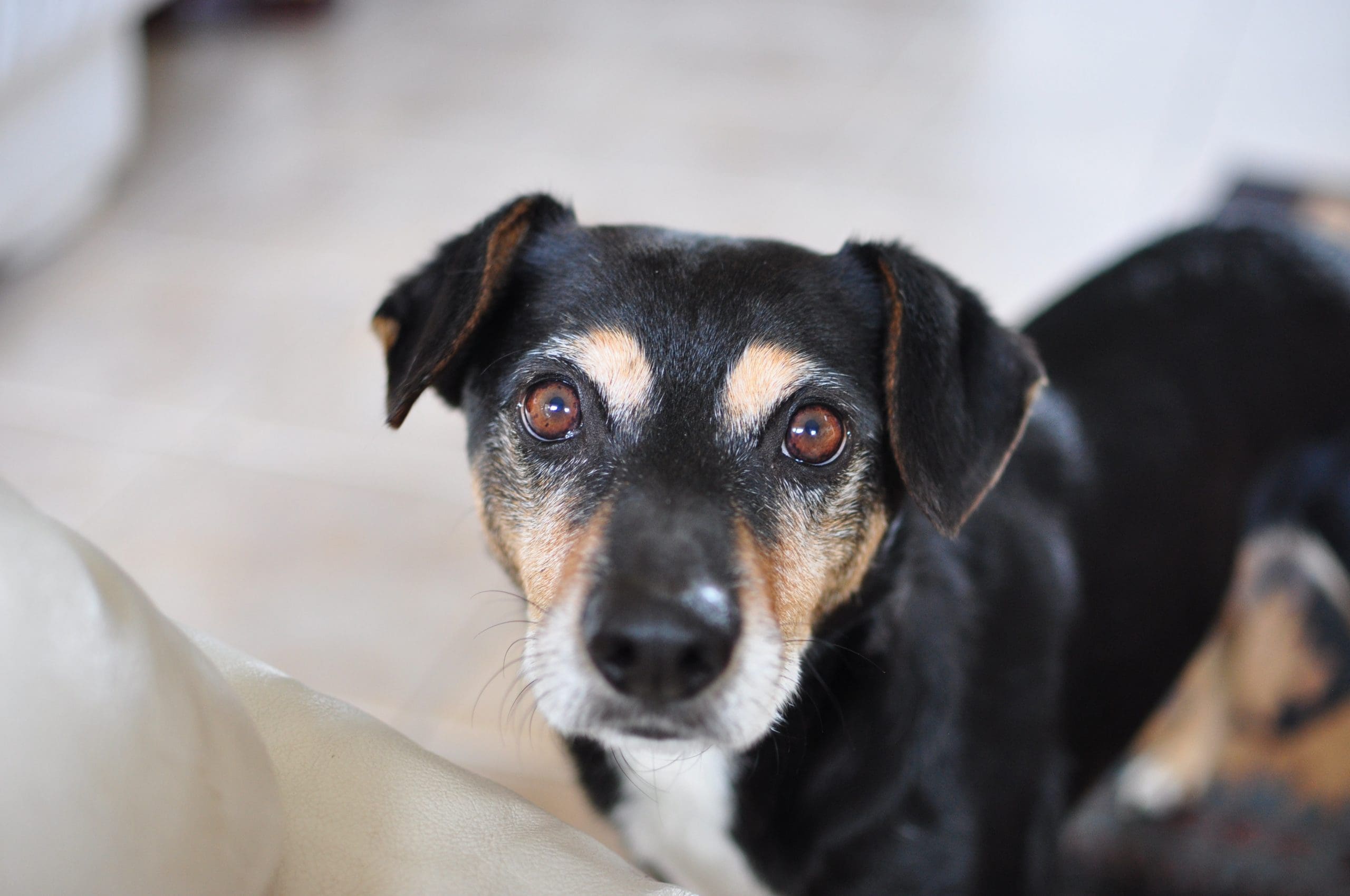
Why does my dog stare at me?
Dogs use their eyes to communicate in many ways, and the meaning of a stare depends on context, body language, and the relationship between the dog and the person. Observing the whole dog and the situation helps determine whether a stare is curiosity, a request, stress, or something medical. Canine Eye Contact: Basics and Meaning…
-
Ways to Prevent Reactivity in Dogs
Reactivity in dogs describes intense, often rapid behavioral responses to specific triggers. Prevention emphasizes clear observation, safe management, veterinary assessment, and consistent training strategies. Understanding Reactivity Reactive behavior is an observable set of actions — such as barking, lunging, stiffening, intense staring, or rapid vocalization — that occur when a dog responds to a perceived…
-

Positive Dog Training with a Clicker
Clicker training uses a small, consistent signal to mark precise behaviors and immediately deliver a reward to shape desirable responses in dogs. What Is Clicker Training? Clicker training is a marker-based form of positive reinforcement that pairs a distinct, brief sound with a primary reinforcer to increase the likelihood of a behavior. The modern clicker…
-

Crate Training. Why Is It Illegal in Sweden and Finland?
Crate training refers to the practice of using a contained enclosure to restrict an animal’s movement for reasons such as safety, transport, or behavior management. The practice, its duration, and how it is regulated vary between jurisdictions. 1. What is crate training? Define crate training clearly so readers understand the practice being regulated. Crate training…
-

Living and Training a Deaf Dog
Living with and training a deaf dog requires adjustments to communication, safety, and veterinary care while using clear visual and tactile signals to build cooperation and confidence. Understanding Deafness in Dogs Deafness in dogs can be congenital (present at birth) or acquired later in life, and it can affect one ear (unilateral) or both ears…
-

15 Dog Breeds for a Small House
Choosing a dog breed that fits a small house affects daily routines, safety, and the long-term quality of life for both the dog and household members. Why breed choice matters for small houses Size, energy, and temperament determine how a dog uses limited floor area and communal rooms; dogs under 25 lbs (11 kg) generally…