
Category: Positive Dog Training
-

Why Is It So Important to Train Your Dog?
Training shapes a dog’s behavior and responses so that everyday interactions are safer and more predictable for both the dog and the people around them. Safety and risk reduction Training focused on safety reduces day-to-day risks by giving dogs reliable responses in hazardous or unpredictable situations. Recall, leash manners, and clear boundary control are core
-
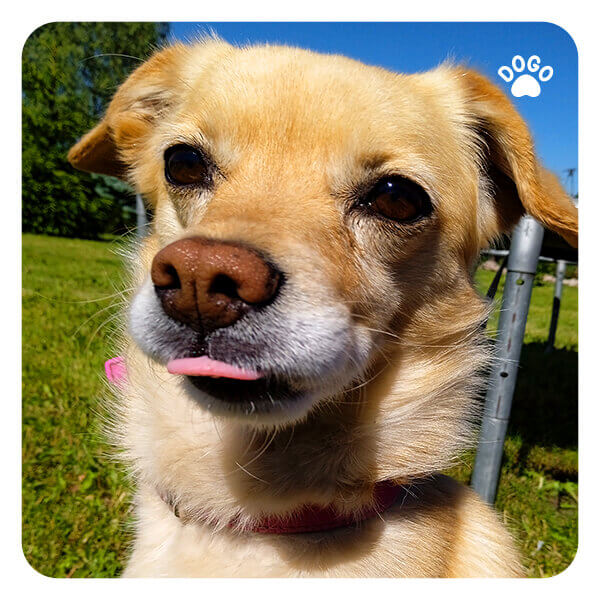
How to Fade Treats
Fading treats means reducing reliance on food rewards so behaviors persist when rewards are less frequent or absent. The practice focuses on transitioning reinforcement while protecting behavior strength and animal welfare. Purpose of Fading Treats Reducing treat dependence helps behaviors transfer to everyday life and lowers the chance that a behavior stops when treats are
-
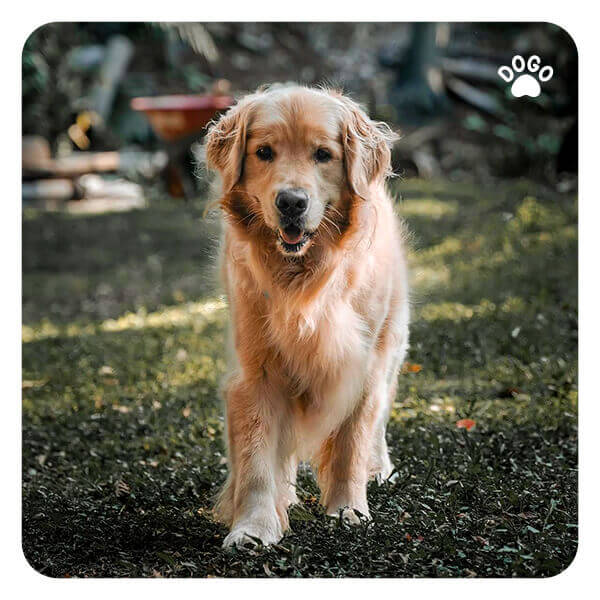
Checklist Before the Walk
Decide why you are walking and what outcome you want before you leave so planning matches the goal and conditions. Define walk purpose and goals Start by naming the primary purpose of the outing—examples include exercise, a commute, a leisure stroll, or a hike—and set a practical time target that fits that purpose: many planners
-

How Should You Hold the Leash?
How to hold a dog’s leash while walking and handling the animal. Choosing the Right Leash Leash selection influences control, safety, and comfort and should be matched to the dog’s size and behavior. Common fixed-length leashes are often 4 ft (1.2 m) or 6 ft (1.8 m) long, which balance freedom and control for most
-
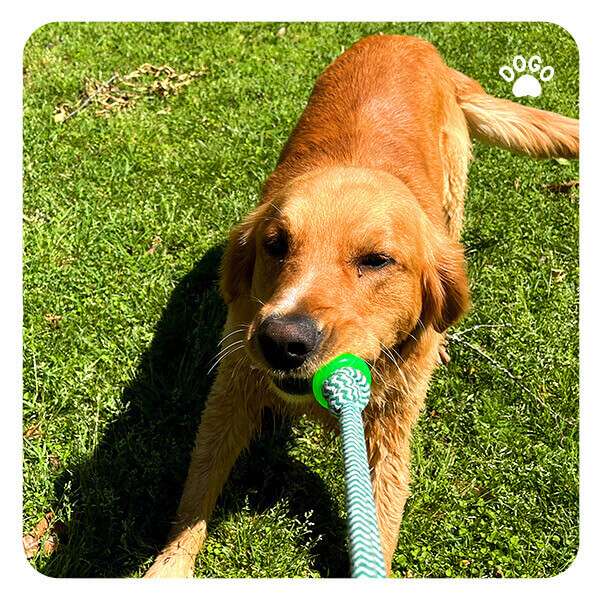
Adding Verbal Cues
Verbal cues are purposeful spoken signals used to guide attention, behavior, or comprehension across settings such as teaching, presentations, therapy, and product interaction. Defining Verbal Cues Verbal cues are defined here as intentionally produced spoken words or short phrases that signal an expected action, focus point, transition, or corrective step; they exclude purely nonverbal signals
-
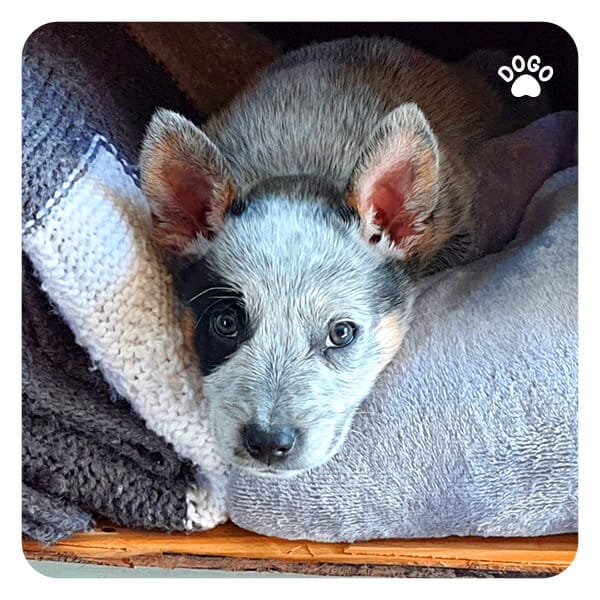
Luring in Dog Training
Luring is a training method that uses a visible reward to guide a dog into a desired position or movement. It sits within the broader framework of operant conditioning and is distinct from shaping and targeting by its direct use of a reward as a physical guide. Defining Luring Luring involves holding a treat, toy,