
Category: Positive Dog Training
-

How to take care of a puppy?
Bringing a puppy home is exciting and a little overwhelming. This guide is written for people who love dogs and want practical, reliable steps to keep a puppy healthy, safe, and well-adjusted. It assumes you want to act confidently from day one—whether you’re new to puppy care, rescuing an older pup, living in an apartment,
-

How to treat heartworms in dogs at home?
If your dog has been diagnosed with heartworms or you worry about prevention, it’s normal to ask what you can realistically do from home. This article walks through when home actions help, what must be done by a veterinarian, how the parasite affects dogs, when the risk is highest, warning signs to watch for, and
-

What causes crystals in dog urine?
Finding crystals in your dog’s urine can be alarming, but it’s also a useful clue about what’s happening inside. As a veterinarian, I often see owners spot sand-like particles or cloudy urine and worry about stones, infection, or kidney disease. That early observation can shorten the time to useful testing and treatment, so it’s worth
-
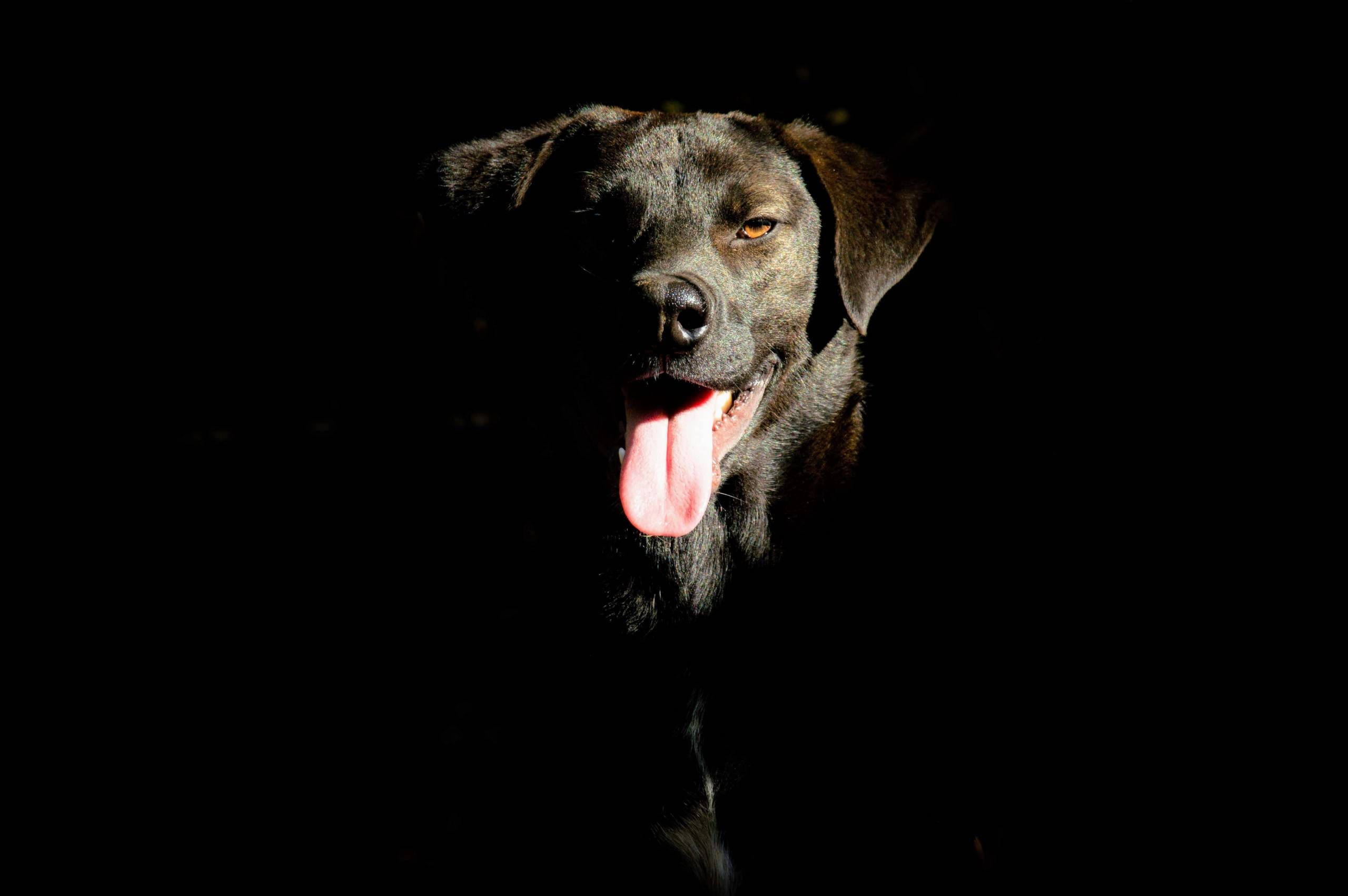
How to get rid of dog eye boogers?
Most dog owners notice eye boogers during quiet moments: after a romp in the yard, when you lift a sleepy head, or when a white-faced dog leaves reddish streaks on the fur. Those little crusts and wet smudges are usually more than a nuisance — they can tell you about your dog’s comfort, environment and
-
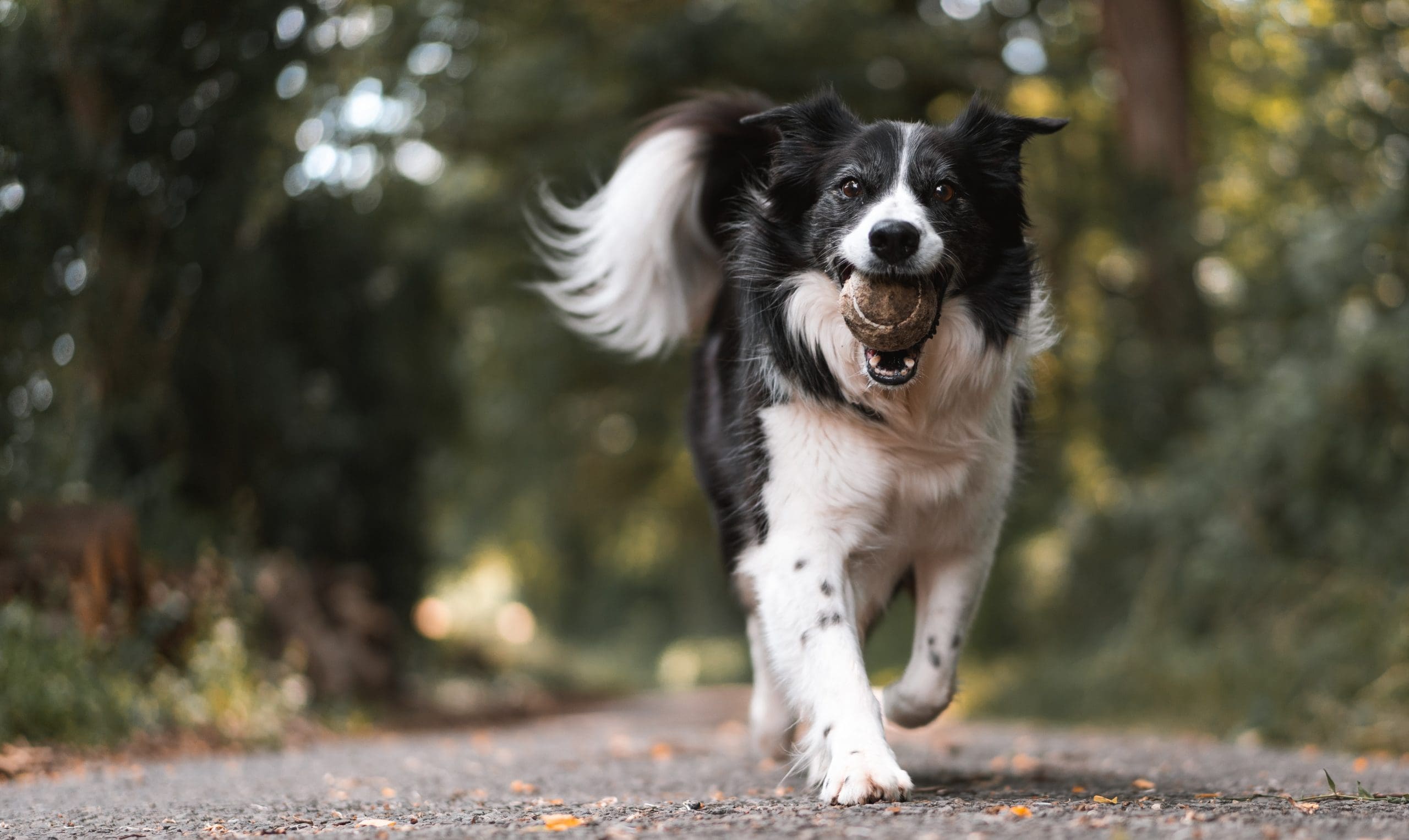
How to find a missing dog?
When a dog goes missing the minutes and hours that follow are emotionally intense and highly practical at the same time. This guide is written for people who love dogs and need clear, field-tested steps: what to do immediately, why dogs behave this way, how to search systematically, and what to change afterward to reduce
-

What type of dog am i?
Many dog lovers ask “What type of dog am I?” because the question is a shortcut to better days with their dog: smoother walks, less frustration at home, and more rewarding play. Identifying the match between an owner’s daily life and a dog’s instincts can change what you buy, how you train, and where you

