
Category: Positive Dog Training
-
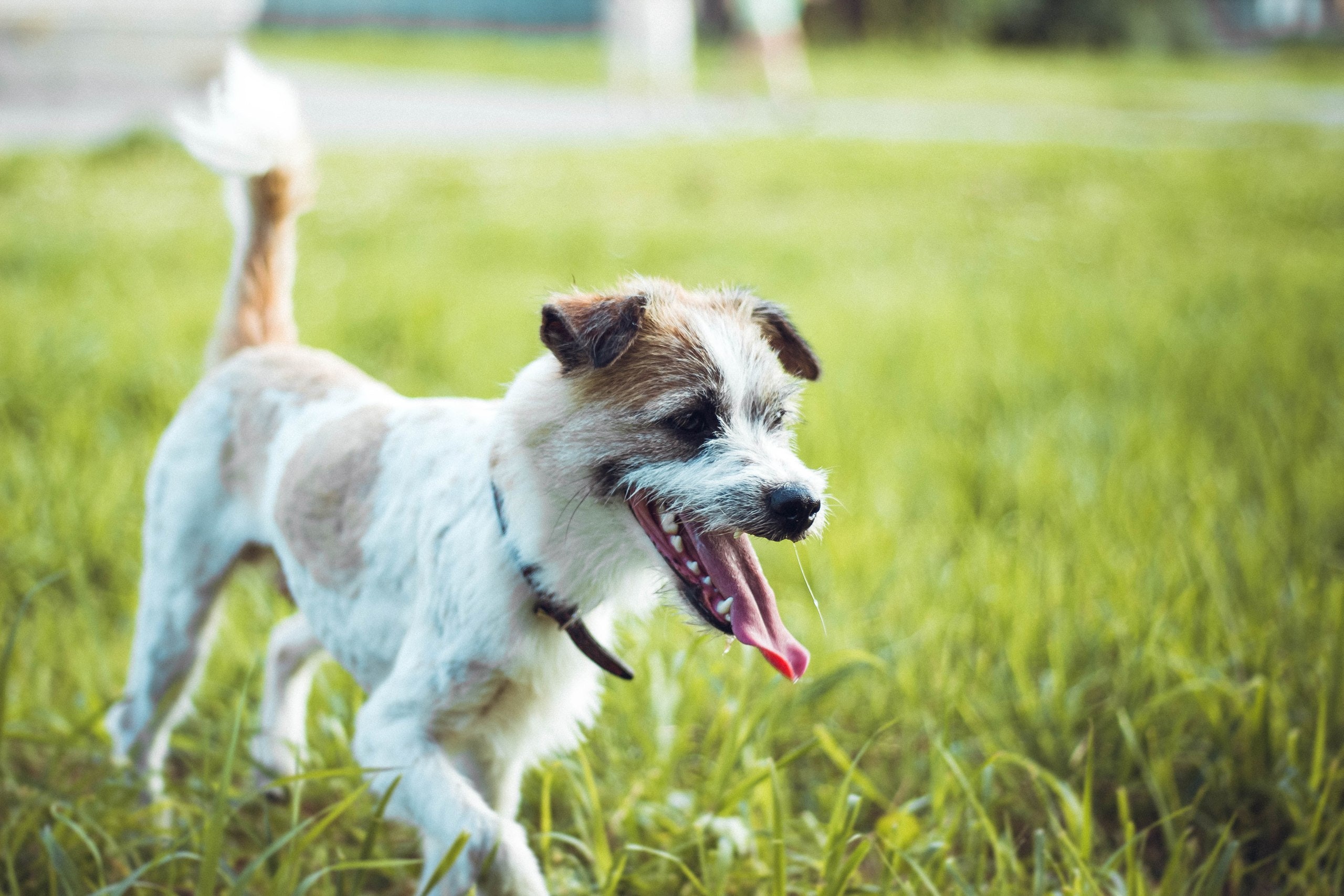
Why do puppies breathe fast?
Seeing a puppy breathe faster than you expect is one of those moments that makes even experienced dog lovers pause. It matters because a calm, informed response can keep a puppy comfortable and may prevent a minor episode from becoming an emergency. The guidance below is written from practical clinical experience and aims to help
-
How many calories should my dog eat?
As someone who works with dogs and their owners every day, I see how questions about food and calories come up as soon as a new puppy arrives, a dog starts slowing down, or when a once-lean companion begins to carry extra weight. Figuring out “how many calories should my dog eat?” is often less
-
How to stop dog from scratching door?
Dogs scratching at doors is one of those daily frustrations that quietly eats at an owner’s patience: torn paint, noisy nights, worried neighbors—and the nagging question of whether the dog is hurting or simply asking for attention. This article looks at why dogs do it, what to do right away, and how to fix the
-

Why do dogs shake their heads?
If your dog gives a sudden shake of the head and you blink, you’re not alone — that motion is one of the most common things owners notice. Understanding why dogs shake their heads matters because it helps you tell routine maintenance from a sign that something needs veterinary attention. Knowing the difference keeps your
-

When to switch puppy to adult food?
Deciding when to move a puppy from growth food to adult maintenance food matters more than many owners expect. Timing affects how a dog’s bones, joints and body composition develop; it alters daily feeding amounts and long-term weight management; and it changes the way you plan routines and training. I typically see confusion after adoptions
-
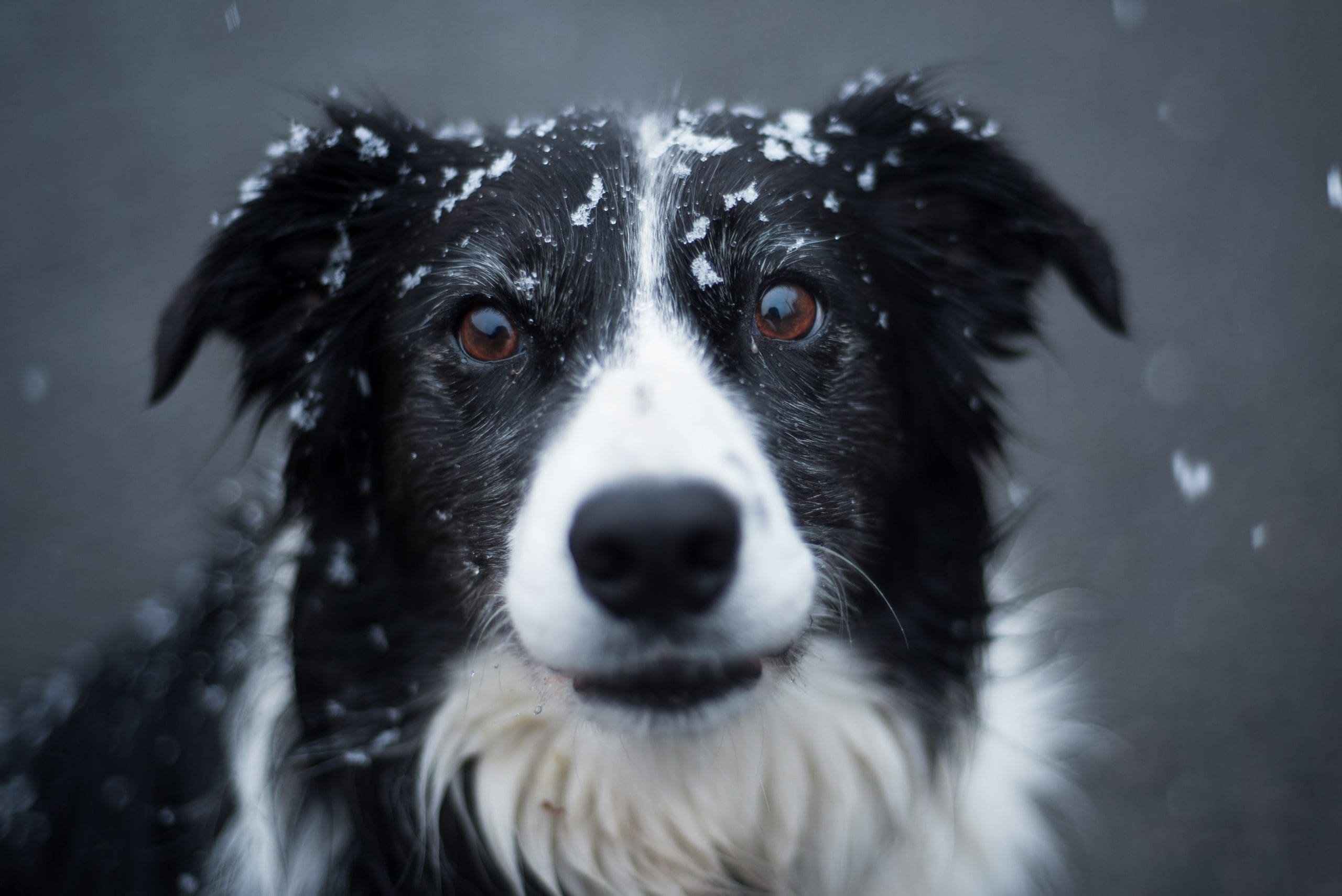
How strong is a dogs sense of smell?
I encourage every dog owner to pay attention to scent because a dog’s nose shapes how they experience the world, how they stay safe, and how you can enrich your relationship. You’ll see smell at work the moment a lost dog picks up a familiar human scent, when a farm dog follows a wounded animal,
