Learn how to be the
best dog trainer for
your dog!

-
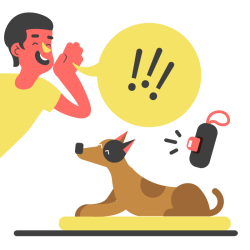
Luring Shaping Capturing. Dog Training Methods.
Luring, shaping, and capturing are three distinct training methods used to teach dogs behaviors by arranging antecedents and consequences. Each method uses reinforcement differently to achieve predictable changes in behavior. 1. Luring, Shaping, and Capturing — Definitions and Core Differences Luring uses a visible reward or hand to guide a dog through the exact motion…
-
Back to Work? Prevent Your Dog from Separation Anxiety
Many dogs struggle when left alone, and households adjusting to a return to on-site work should plan for gradual changes to prevent stress-related behaviors. Recognize separation anxiety: signs and severity Separation-related distress commonly shows as excessive vocalizing, destructive behavior, pacing, drooling, or inappropriate elimination when a dog is alone. [1] Signs often start within the…
-

Dog Fireworks. Help Your Dog Who’s Afraid of Fireworks.
Strategies for supporting dogs during fireworks. Focus on behavior, environment, and veterinary input. Why fireworks scare dogs Dogs respond to fireworks for several sensory and learning-based reasons, and recognizing the mechanisms behind a dog’s fear helps target the right interventions. Acoustic sensitivity is a primary factor: dogs perceive higher frequencies and sharper transients than humans,…
-
Puppy Vaccination and Vet Schedule
Puppy vaccination and veterinary scheduling set the foundation for a healthy life and protect animals and people around them. Why Puppy Vaccinations Matter Vaccination of puppies prevents core infectious diseases and lowers population-level transmission risks; program data report reductions in disease incidence exceeding 80% where coverage is high[1]. Well-timed immunization reduces the chance of zoonotic…
-
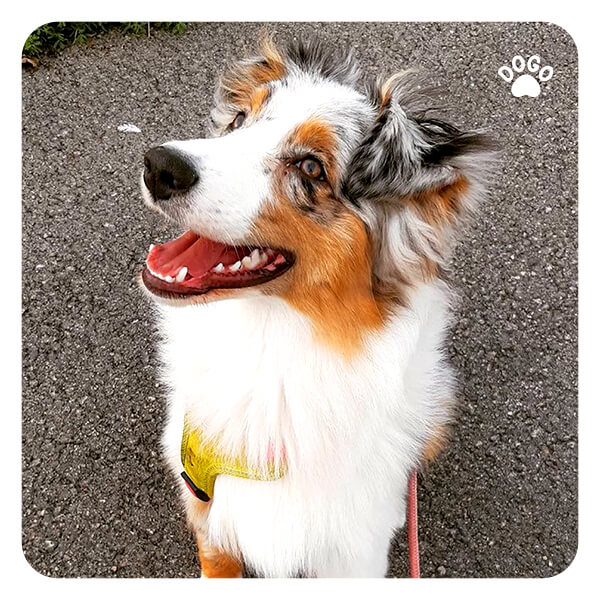
My Dog is Easily Distracted – Learning to Focus
Many dogs get distracted easily, which can make everyday activities and training more challenging for owners. Understanding attention, measuring a baseline, and using targeted exercises and environment adjustments can help improve focus. Understanding Distractibility in Dogs Attention is the dog’s ability to orient and maintain engagement with a cue or handler, while distraction is any…
-
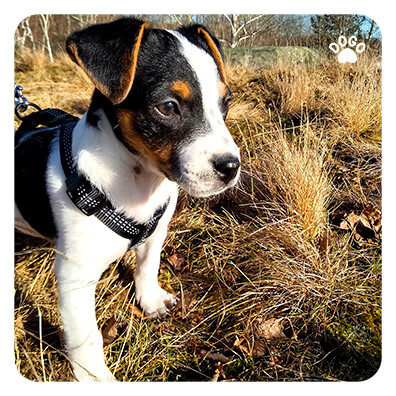
How Much Time Do I Need for a Dog?
Deciding how much time a dog needs depends on daily care, exercise, training, social needs, grooming, and life stage, all of which vary by individual and breed. The sections that follow break those components into practical estimates and scheduling suggestions. Overall Time Estimate Most average adult dogs typically require about 1 to 3 hours of…
Start training with Dogo today
Start our survey and receive a customized training plan tailored to your dog today!