Learn how to be the
best dog trainer for
your dog!

-
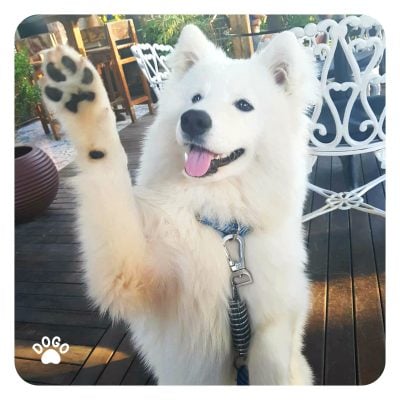
Why Dog Lifts Their Front Paw?
Dogs raise a front paw for many reasons that depend on posture, context, and individual history. Reading the surrounding signals helps determine whether the gesture is communicative, learned, instinctive, or medical. Types of Paw Lift A single brief lift that lasts under 2 seconds often accompanies a dog shifting attention or preparing to move, and
-
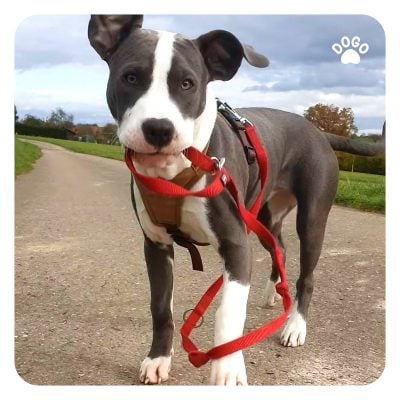
My Dog Is Overly Excited for a Walk. What to Do?
Dogs can become highly aroused before a walk for many reasons, and practical steps can reduce that arousal so walks are safer and more enjoyable. Below are explanations of common causes, immediate tactics, training options, gear choices, and when to seek professional help. Understanding Why Your Dog Becomes Overly Excited Anticipation, specific environmental cues, sight
-
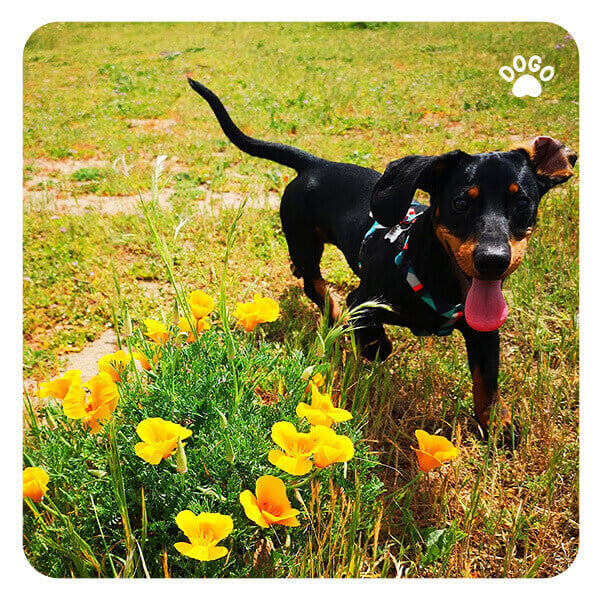
My Puppy Doesn’t Like Walks. What to Do?
Your puppy refusing walks can have many causes ranging from physical discomfort to fear or unfamiliar equipment. 1. Rule Out Medical Causes When a puppy avoids walks, start by checking for medical problems because pain or illness commonly reduces activity. A physical exam and targeted tests can identify issues such as ear infections, joint pain,
-
Dog Running Away from Me. How to Prevent It.
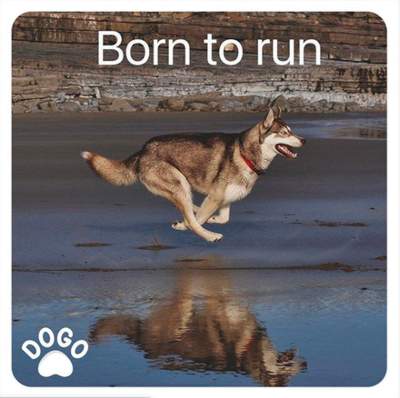
Dogs leave a yard or handler for many reasons, and preventing escapes requires matching physical management to the dog’s motivations and routine. Why Dogs Run Away — Understand the common reasons Many escapes stem from instinctual drives such as a strong prey or mating drive, sudden fear responses, or unmet social and activity needs. A
-
Raising a Puppy. When Does It Get Easier?
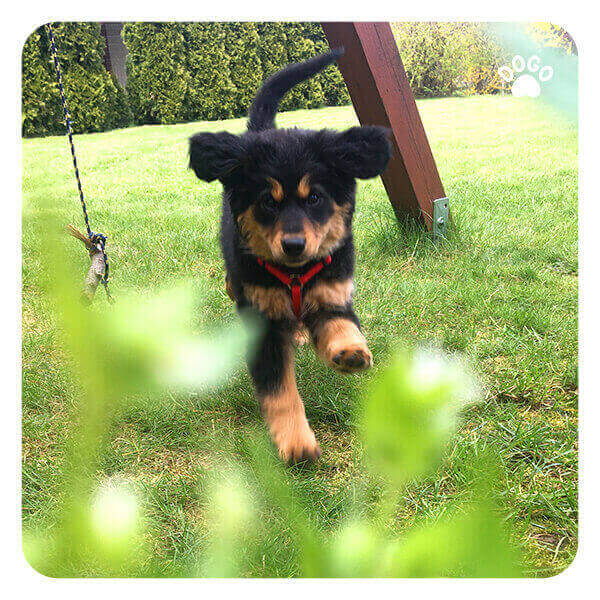
Raising a puppy involves shifting routines and new responsibilities as the dog grows and learns. A clear sense of timing for common challenges makes planning and training more effective. Developmental Timeline and Milestones Puppy development is commonly divided into age ranges of 0–8 weeks, 8–16 weeks, 4–6 months, and 6–18 months to describe when behaviors
-
How Much Weight Should a Puppy Gain Each Week?
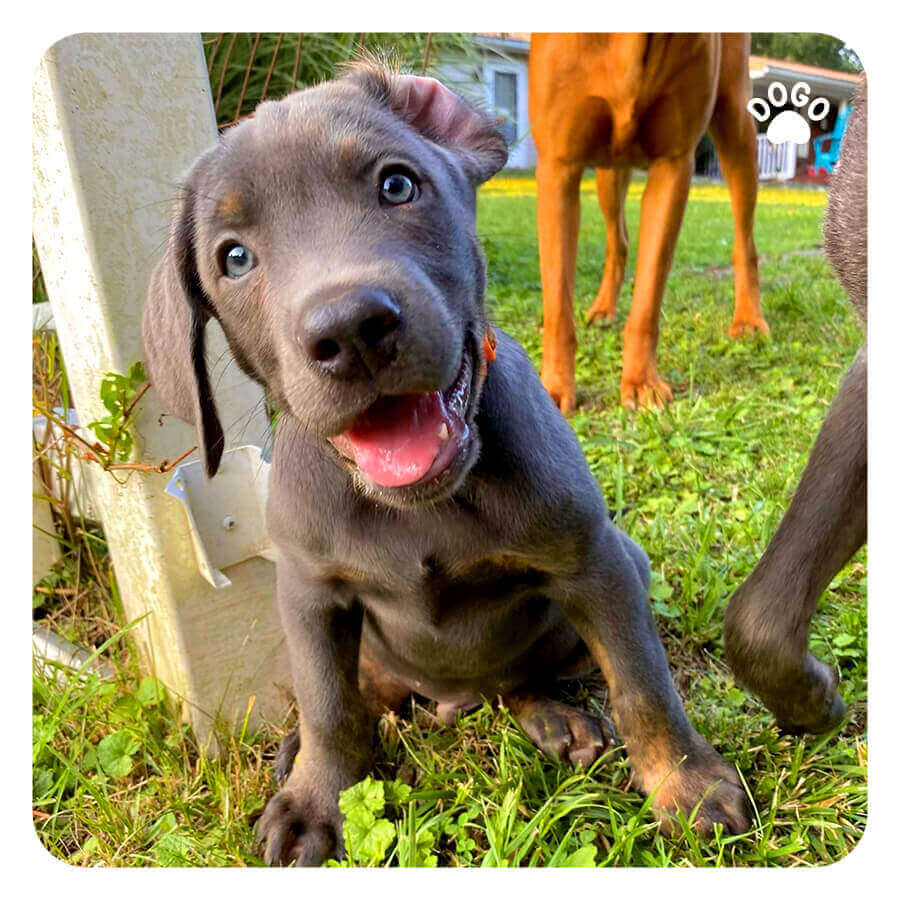
Puppy growth varies widely by age and the size and genetics of the breed, so owners track weight to assess healthy development. Typical growth patterns by age and breed size During the neonatal period through about 8 weeks, puppies follow predictable early weight rules: many neonates should double their birth weight within 7 to 10
Start training with Dogo today
Start our survey and receive a customized training plan tailored to your dog today!