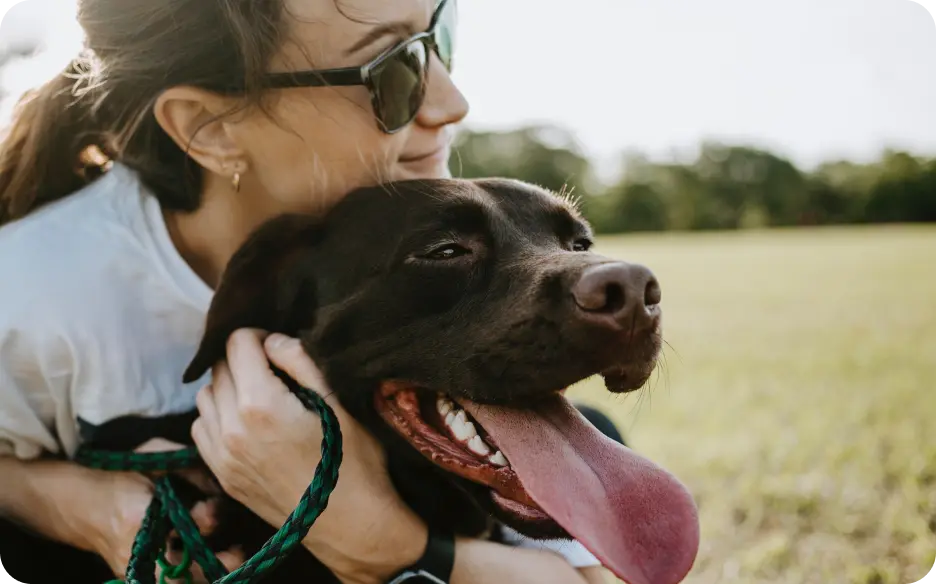
Learn how to be the
best dog trainer for
your dog!

-
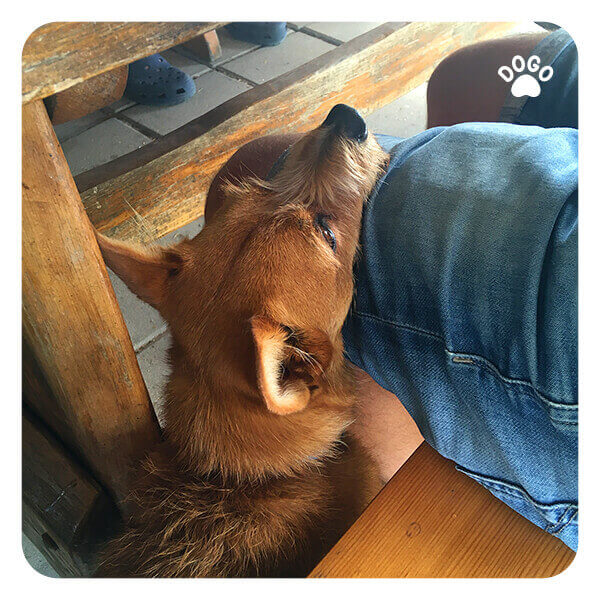
Dog Begging for Food at the Table
Dogs beg at the table for many reasons ranging from habit to physiological need, and understanding those reasons helps shape appropriate responses. Causes of Table Begging Begging commonly stems from learned reinforcement: when a dog receives food, attention, or access after soliciting, the behavior is more likely to recur. Behavioral position statements note that intermittent
-
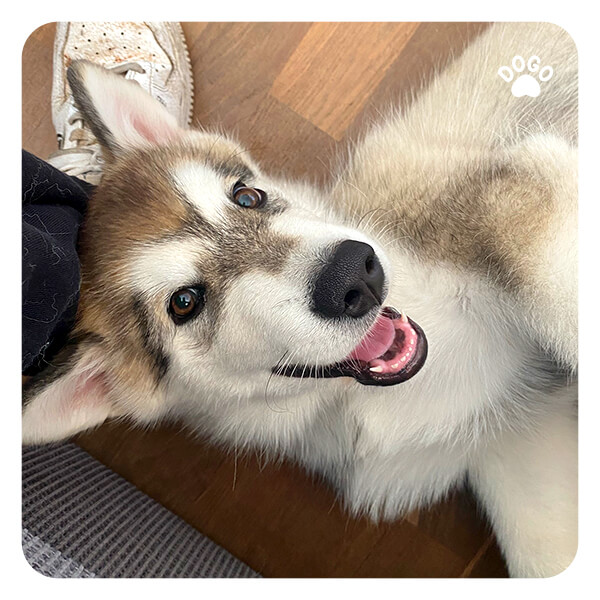
Does My Dog Love Me? How to Tell
Dogs show consistent patterns of behavior that researchers and trainers use to assess attachment and affection, and those patterns are best interpreted through observable signals rather than projecting human feelings onto the animal. What “love” means for dogs — defining canine affection Scientists and applied behaviorists separate attachment, social bonding, and anthropomorphic “love” by using
-
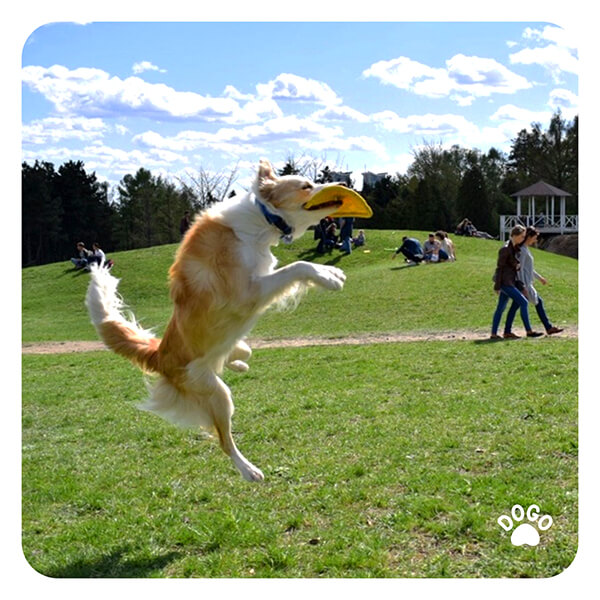
Train Your Dog to Fetch
Fetch is a structured play exercise that combines movement, focus, and a clear exchange between an owner and a dog. It is typically taught in steps that emphasize safety, motivation, and reliable cues. Benefits of Fetch Teaching fetch provides structured exercise, mental stimulation, and opportunities to practice obedience and impulse control. Short, active play sessions
-

Why does my dog stare at me?
Dogs use their eyes to communicate in many ways, and the meaning of a stare depends on context, body language, and the relationship between the dog and the person. Observing the whole dog and the situation helps determine whether a stare is curiosity, a request, stress, or something medical. Canine Eye Contact: Basics and Meaning
-

Is My Dog Happy? How to Tell
Understanding a dog’s emotional state depends on observing behavior, body signals, vocal patterns, activity, social interactions, and physical health. Careful observation of consistent patterns rather than isolated moments gives the best indication of a dog’s overall wellbeing. Defining Canine Happiness “Happy” for a dog is a combination of affect (momentary emotion), contentment (sustained positive state),
-
Ways to Prevent Reactivity in Dogs
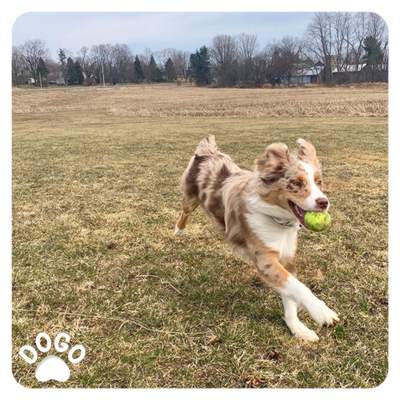
Reactivity in dogs describes intense, often rapid behavioral responses to specific triggers. Prevention emphasizes clear observation, safe management, veterinary assessment, and consistent training strategies. Understanding Reactivity Reactive behavior is an observable set of actions — such as barking, lunging, stiffening, intense staring, or rapid vocalization — that occur when a dog responds to a perceived
Start training with Dogo today
Start our survey and receive a customized training plan tailored to your dog today!