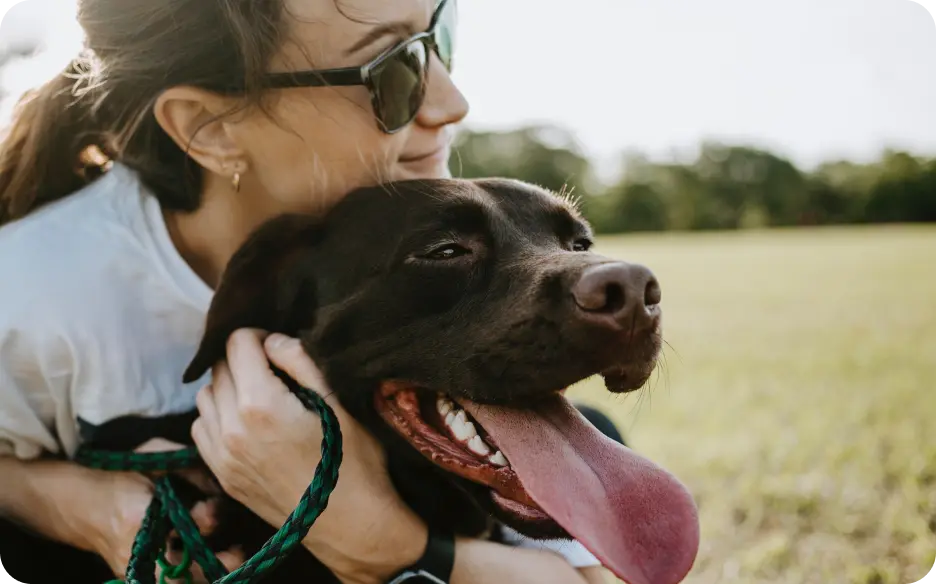
Learn how to be the
best dog trainer for
your dog!

-
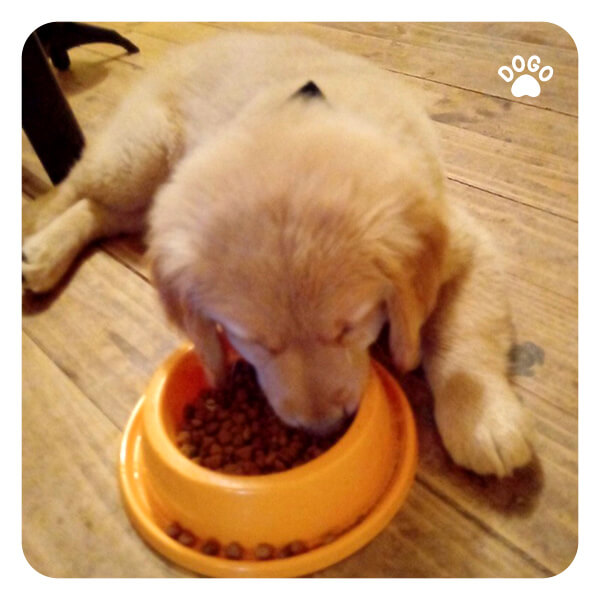
How Many Calories Should My Dog Get per Day?
Calorie intake defines how much energy a dog has available for movement, growth, and bodily maintenance. Matching calories to a dog’s life stage and activity helps support healthy weight and function. Why calories matter for dog health Clinicians commonly use a nine-point body condition score (BCS) to assess fat coverage and muscle mass in dogs,
-

Let Sleeping Dogs Sleep. Puppy Sleep Routine
Puppy sleep is governed by rapid physical and neural development and benefits from predictable routines and safe spaces. Why puppies sleep differently Puppies spend roughly 18–20 hours per day asleep while their brains and bodies undergo rapid developmental changes.[1] Sleep architecture in puppies includes more frequent cycles of active (REM-like) and quiet sleep compared with
-

Dog games. Activities with your dog at home.
Indoor games can help dogs expend energy, practice skills, and stay mentally stimulated using common household spaces and toys. Safety, space, and prep for indoor play Before starting any game, make the environment predictable and safe by removing breakables, securing cords, and checking floors for slip hazards. Clear at least 6 feet (1.8 m) of
-
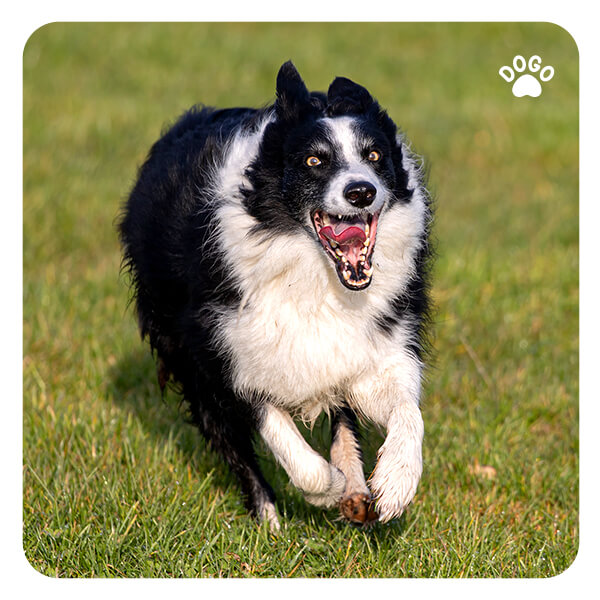
Zoomies Horror Show: Why Is Your Dog Running Wild?
Many dog owners recognize sudden bursts of frenetic running and spinning in their pets, and understanding the behavior helps manage safety and expectations. What Are Zoomies? Zoomies, often called frenetic random activity periods (FRAP), are sudden episodes of high-energy running that typically include sharp turns, spinning, and sliding and usually last about 30 seconds to
-
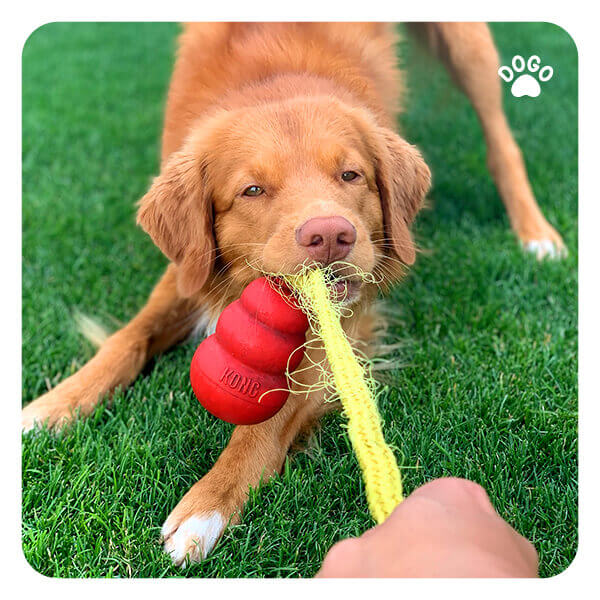
Why You Should Train Your Dog Yourself
Training your dog yourself focuses on building everyday skills, predictable routines, and a cooperative relationship between you and your pet. Why DIY Dog Training Matters Short, frequent sessions of 5–10 minutes help maintain consistency and predictable cues that dogs learn best from[1]. Working in the environment where the dog will live makes learned behaviors more
-

Dog House Training. Step by Step and Troubleshooting.
House training a dog requires consistent routines, clear signals, and coordinated household expectations to shape reliable indoor and outdoor elimination behavior. Training objectives and terminology Successful house training means the dog eliminates in preferred locations with predictable cues, and accidents decline to a level set by the household while the dog reliably responds to a
Start training with Dogo today
Start our survey and receive a customized training plan tailored to your dog today!