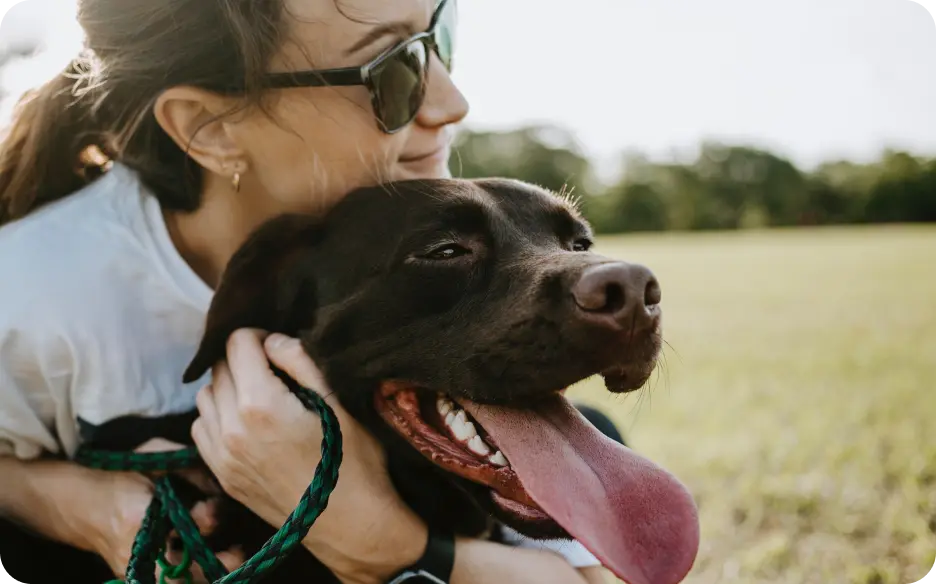
Learn how to be the
best dog trainer for
your dog!

-
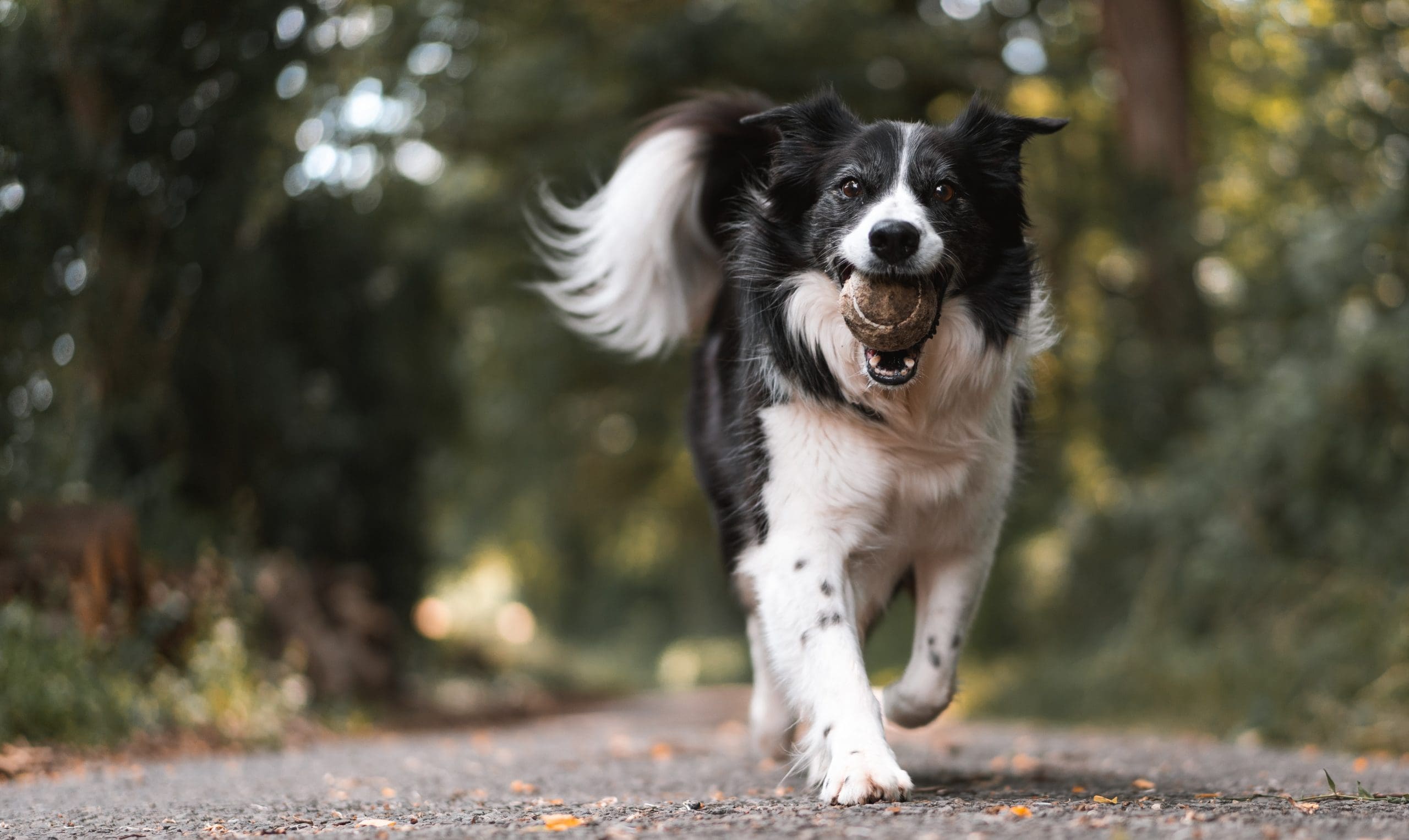
How to find a missing dog?
When a dog goes missing the minutes and hours that follow are emotionally intense and highly practical at the same time. This guide is written for people who love dogs and need clear, field-tested steps: what to do immediately, why dogs behave this way, how to search systematically, and what to change afterward to reduce…
-
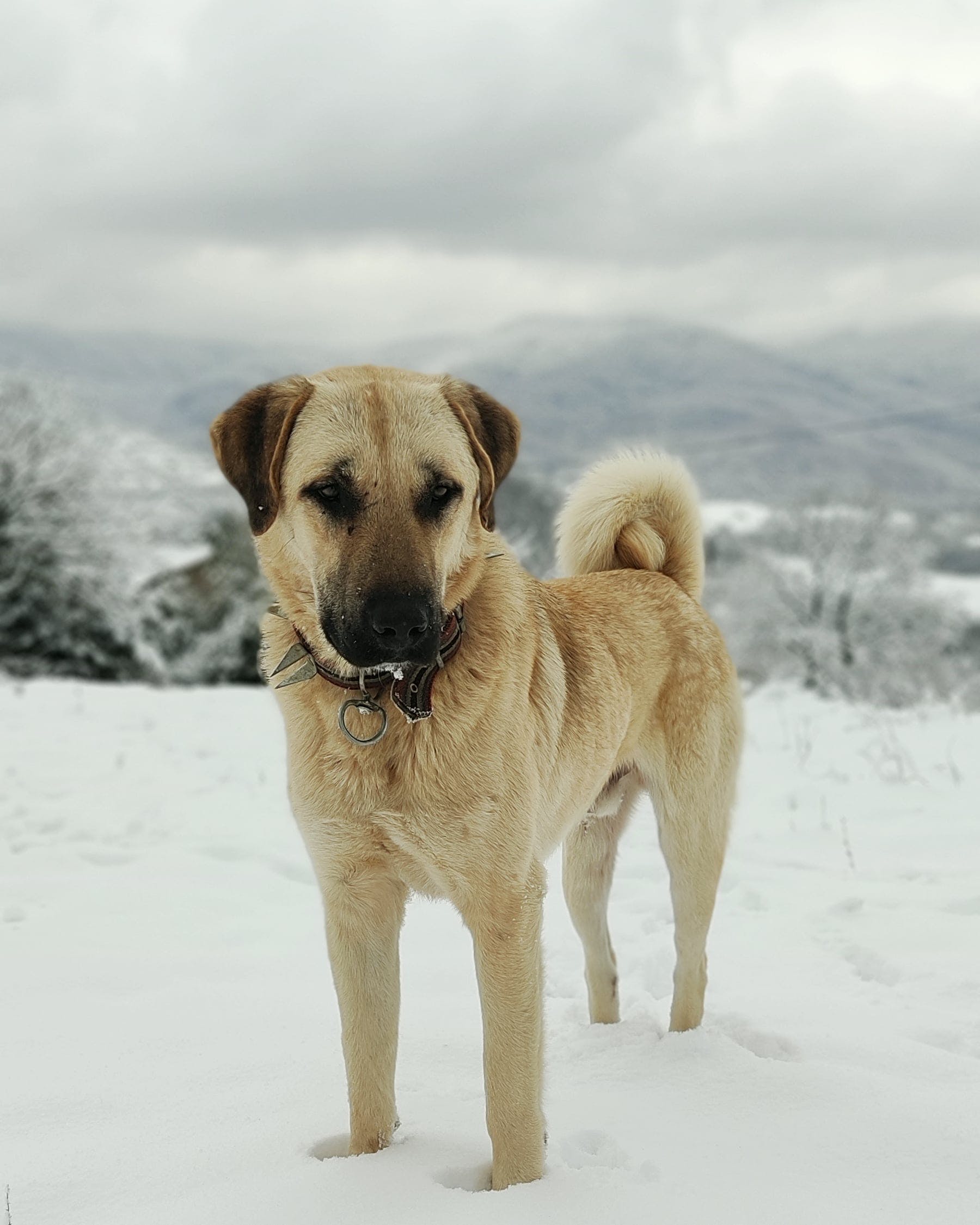
What type of dog am i?
Many dog lovers ask “What type of dog am I?” because the question is a shortcut to better days with their dog: smoother walks, less frustration at home, and more rewarding play. Identifying the match between an owner’s daily life and a dog’s instincts can change what you buy, how you train, and where you…
-
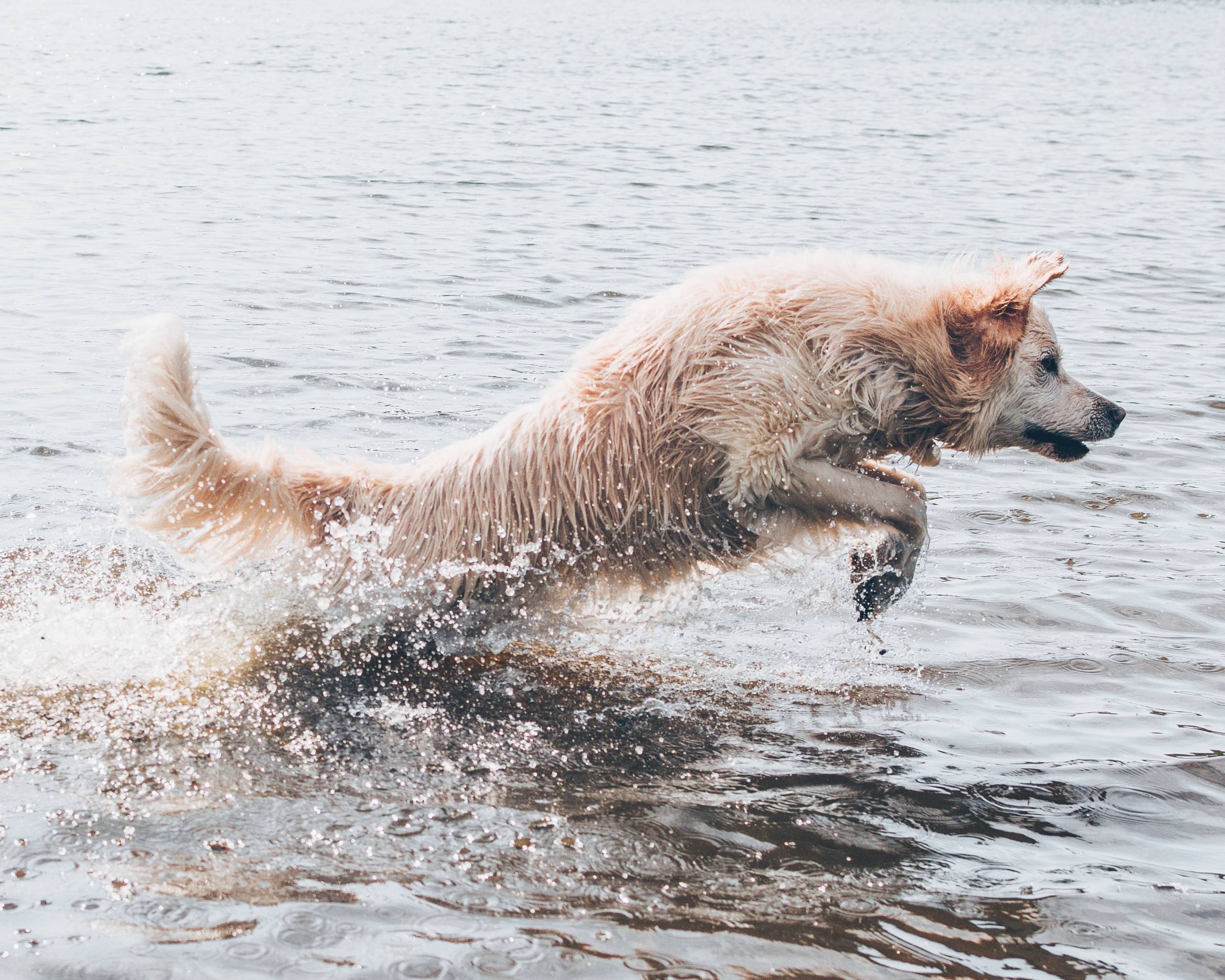
How to take care of a dog?
Dogs reward consistent, practical care more than elaborate routines; this guide gives what you need to know to keep a dog healthy, safe, and well-adjusted, whether you’re bringing one home for the first time or refining the care you already provide. Is dog ownership right for you? Common situations and who benefits This guide is…
-
Why do dogs dig?
Understanding why dogs dig helps you meet a basic canine need, prevent garden or property damage, and use calm, effective responses that strengthen the relationship between you and your dog. What Your Dog’s Digging Reveals About Their Health and Behavior Many owners start asking about digging out of curiosity, frustration at chewed-up landscaping, or because…
-
What causes diarrhea in puppies?
Puppy diarrhea is one of the common, unsettling problems I see in practice and in training sessions. It can range from a loose stool after an extra treat to a life-threatening illness. For a dog lover, understanding likely causes, what to watch for, and practical first steps makes a big difference in both outcomes and…
-

What to feed a pregnant dog?
Pregnancy is one of the moments when what you feed a dog has measurable consequences for both the mother and her puppies. A well-managed diet can increase puppy survival, reduce complications during whelping, and help the dam recover more quickly during lactation. Whether you’re a first-time breeder, caring for a rescued pregnant dog, or simply…


Start training with Dogo today
Start our survey and receive a customized training plan tailored to your dog today!