
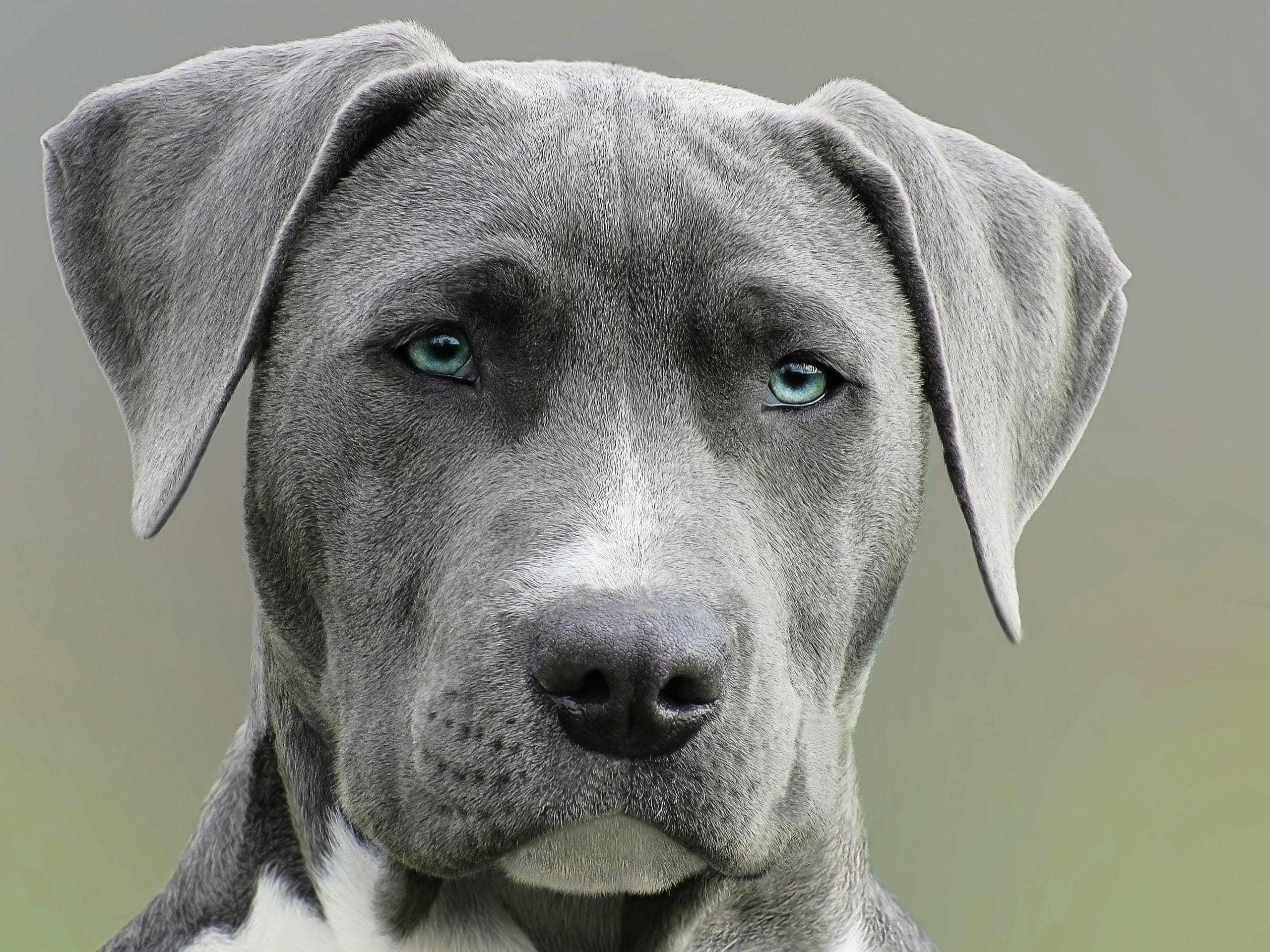
How old was the oldest dog?
Post Date:
January 10, 2026
(Date Last Modified: February 5, 2026)
Dog lovers often ask “How old was the oldest dog?” not because they expect to replicate that age exactly, but because extraordinary examples illuminate what is possible for canine health and longevity and spark useful conversations about care, breed history, and honest expectations.
Why the world’s oldest dog still matters to owners and scientists
Beyond curiosity, knowing about the oldest dogs matters because these stories often point to patterns—genetic background, lifestyle, and medical attention—that may be relevant to any owner’s efforts to help a pet live a long, comfortable life. Hearing about a 20- or 30-year-old dog can be emotionally uplifting and also prompts practical questions: what did that owner do differently, did the dog have a particular breed or living situation, and which practices might be broadly helpful? Conversations about exceptional lifespans are also natural icebreakers in clubs, social feeds, or at the clinic, and they can prompt people to review or improve routine care and screenings for their own dogs.
Record revealed: the verified age of the oldest dog
The current verified record holder is Bobi, a Rafeiro do Alentejo from Portugal who was verified by Guinness World Records in 2023 at 31 years of age; a previous well-known record was Bluey, an Australian cattle dog that lived to about 29 years and 5 months and has been cited in record listings for decades. It is important to distinguish between verified records—those documented by veterinary records, witness statements, and reliable paperwork—and anecdotal claims; the latter sometimes report older ages but typically lack the documentation required for formal recognition.
Inside canine longevity: the biology that enables long life
A dog’s potential lifespan appears to be shaped by a mix of inherited traits and physiological processes that affect how tissues cope with stress over time. Genetic factors likely underpin breed-specific lifespan ranges: certain breeds carry variants that predispose them to early-onset disease, while others seem to have a genetic architecture more permissive of long life. Body size is another recurring pattern—smaller dogs commonly outlive larger dogs—which is probably linked to metabolic rate, growth patterns, and how cells respond to damage across tissues rather than a single simple cause.
At the cellular level, mechanisms that influence aging in other mammals also seem relevant in dogs: shortening of telomeres, mitochondrial function, and the balance between reactive oxygen species and antioxidant defenses may all contribute to tissue decline with age. These processes are complex and interact with environment and disease exposure, so while they help explain trends they do not predict the exact lifespan of an individual dog.
Beyond breed — diet, environment and other lifespan drivers
- Nutrition: High-quality diets that match a dog’s life stage and caloric needs may reduce obesity and nutrient deficiencies; overfeeding and poor-quality food are commonly associated with shorter expected lifespans.
- Exercise and weight management: Regular activity that keeps a dog lean but not underweight helps reduce joint stress, cardiovascular strain, and metabolic disease risk; obesity is one of the most modifiable factors linked to earlier mortality.
- Reproductive status and veterinary care: Timely spay/neuter decisions, parasite control, dental care, and access to preventive and acute veterinary care are all associated with better health outcomes and may extend quality-adjusted life expectancy.
Spotting trouble: common age-related risks and early warning signs
As dogs enter their senior years, some signs reflect normal aging while others suggest treatable disease; owners should learn to differentiate the two. Mobility decline—stiffness, difficulty rising, shorter walks, or reluctance to jump—often indicates osteoarthritis or muscle loss and is worth veterinary assessment because there are effective interventions. Changes in appetite, unexpected weight loss or gain, increased thirst, or changes in urination or bowel habits may point to endocrine or organ disease and merit testing.
Cognitive decline can show up as disorientation, altered sleep-wake cycles, or decreased interest in previously enjoyed activities; while some behavioral change is common, a sudden or marked shift in temperament or the appearance of new lumps should prompt veterinary evaluation to rule out pain, metabolic causes, or neoplasia. Early detection of problems typically improves outcomes and preserves quality of life.
Practical steps owners can take to support a longer, healthier life
Regular wellness exams become more important as a dog ages because subtle abnormalities are easier to catch and manage when they are small. I typically recommend semiannual checks for many senior dogs so body condition, dental health, and organ function can be monitored; bloodwork, urinalysis, and sometimes imaging allow for earlier treatment of conditions that otherwise present later and with more impact.
Maintaining an ideal body condition is one of the highest-yield interventions: calorie control, portion management, and a diet formulated for the dog’s age and health status can reduce the risk of arthritis progression, diabetes, and cardiovascular strain. Discussing supplements such as omega-3 fatty acids, joint-support nutraceuticals, or prescription diets with your veterinarian is sensible; these may help in certain situations but should be tailored to the individual dog rather than given indiscriminately.
Don’t underestimate routine preventive care: consistent dental home care or professional cleanings, parasite control, and up-to-date vaccinations lower disease burden and may indirectly support longer, healthier lives. When chronic conditions exist, adhering to recommended medication schedules and follow-up testing often preserves function and comfort.
Adapting your home and training routine for senior dogs
Small practical changes in the home can make a big difference for aging dogs. Installing non-slip surfaces, providing ramps or low steps for furniture and vehicles, and ensuring sleeping areas are easy to access reduce the risk of falls and the strain of repeated jumping. I often advise owners to reassess flooring, bed height, and feeding locations before mobility becomes a problem so the dog adapts gradually.
Activity routines should be adjusted rather than stopped: low-impact exercise such as short leash walks, controlled swimming, or gentle play helps preserve muscle mass and joint range of motion. Mental stimulation remains important—puzzle feeders, scent games, and continued training sessions using gentle, reward-based techniques help prevent boredom and support cognitive function. Consistency and patience in training become more valuable as sensory function changes.
Helpful gear for older dogs: essentials that improve comfort and mobility
- Orthopedic beds and memory-foam mattresses provide pressure relief for arthritic joints and can improve sleep quality.
- Supportive harnesses and lifting slings help owners assist dogs with stairs or rising, and are preferable to collars for mobility support.
- Ramps, pet steps, non-slip mats for stairs and vehicle floors, and elevated feeders or slow-eating bowls can reduce strain and make daily tasks easier and safer.
How age claims are authenticated and studied — the researchers and record keepers
Formal record-keeping organizations like Guinness World Records authenticate longevity claims by reviewing veterinary records, eyewitness documentation, and other paperwork; these groups typically require substantial evidence before listing a record. Veterinary associations and geriatric specialists also study aging trends in clinical populations and issue guidance on senior care, which is where practical recommendations for owners most often originate.
Academic researchers publish peer-reviewed studies on canine longevity and the factors that predict it; these studies are useful for understanding population-level patterns and for identifying biological mechanisms that may be relevant across breeds. When reading sensational longevity claims online, I find it helps to check whether the report references these kinds of formal verifications or peer-reviewed research rather than relying on single anecdotes.
Sources and further reading
- Guinness World Records: “Oldest dog ever (verified) – Bobi (Portugal) — 31 years 165 days” (Guinness World Records, verified 2023).
- Guinness World Records: “Oldest dog ever (previous record) – Bluey (Australia) — 29 years 5 months” (historical record listing).
- Merck Veterinary Manual: “Geriatric Care of the Dog” — practical guidance on senior-dog evaluation and management (Merck Vet Manual online).
- American Veterinary Medical Association (AVMA): “Caring for a senior dog” — client-facing resources on preventive care and age-related changes.
- O’Neill DG, Church DB, McGreevy PD, Thomson PC, Brodbelt DC. “Longevity and mortality of owned dogs in England.” The Veterinary Journal (2013) — cohort data on lifespan and causes of death in a large clinical population.
- PubMed search: “canine longevity review” — curated peer-reviewed articles and reviews on mechanisms and risk factors for aging in dogs (PubMed/NCBI).
