
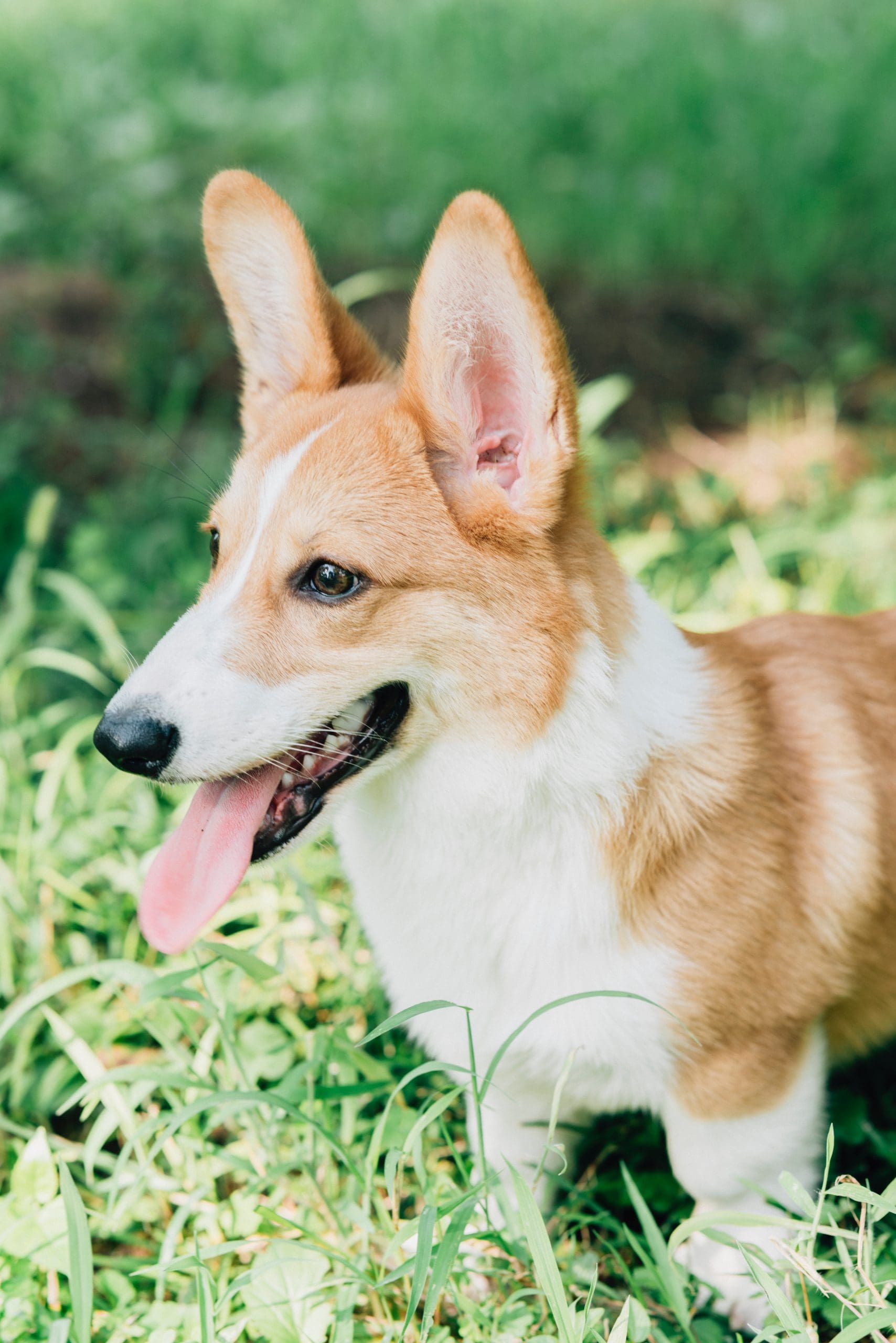
How much to ship a dog by plane?
Post Date:
January 2, 2026
(Date Last Modified: February 5, 2026)
Shipping a dog by plane is a practical choice for many dog lovers, but it requires clear, steady planning. What follows is practical guidance from a clinician and behaviorist perspective: reasons people ship dogs, an immediate cost snapshot, how and why dogs react to flight, when risks and prices climb, medical red flags, a step-by-step owner checklist, training recommendations, contingency planning, and the few items that really matter. Each section is written to help you decide whether to ship your dog, and how to do it as safely and affordably as possible.
Is Flying the Right Choice for Your Dog?
There are clear situations when air transport is the most realistic option. Relocation for work or family often leaves no practical choice but to move a dog by plane, especially when driving would take several days or cross international borders. Rescue organizations and shelters frequently coordinate long-distance transfers to match dogs with adopters or to rebalance shelter populations; those transfers are structured but still require the same care and paperwork as private moves. Handlers, breeders, and exhibitors also ship dogs for shows, breedings, or specialized veterinary appointments — those trips tend to be tightly scheduled and sometimes time-sensitive. Finally, owners occasionally face circumstances where they cannot accompany the dog (illness, military deployment, or short emergency travel) and need a trusted carrier to move the animal temporarily. Each situation shapes different priorities: speed and nonstop routing for a show dog, low cost and kennel familiarity for a rescue transfer, or medical oversight when appointments are involved.
Ballpark Costs for Flying Your Dog
For a quick decision: expect a wide range. Small dogs carried in-cabin on a commercial flight are typically $75–$250 one-way within the same country. Airlines that accept pets as checked-baggage (fewer now) commonly charge $100–$300. Cargo or specialized pet freight starts around $200 for short domestic trips and commonly climbs to $500–$2,000+ for long-haul or international shipments when you include handling and documentation.
- Price drivers you will see most often include the dog’s size and weight (larger animals need larger crates and more handling), the distance and whether the itinerary is nonstop versus multiple connections, and whether you choose a commercial carrier’s cargo service or a dedicated pet shipping company.
- Plan to add for these common extras: an airline health certificate or USDA endorsement ($50–$300 depending on vet and agency), a proper IATA-compliant crate ($70–$500 or more for heavy-duty rigid crates), USDA/APHIS inspection and export fees for international moves ($100–$400+), and possible handler or ground transport charges at origin/destination.
What Makes Air Travel Stressful for Dogs?
Understanding stress helps reduce it. Flight environments provoke a physiological stress response: cortisol may rise and heart rate and respiratory rate often increase. You will notice panting, trembling, or pacing as outward signs, and those behaviors are likely linked to simultaneous heightened arousal and unfamiliar cues. Changes in cabin pressure, especially during ascent and descent, can create ear discomfort or a sensation of blocked ears; that is likely linked to the same ear-pressure effects humans feel but can be more pronounced in anxious dogs.
Motion and vestibular stimuli are an additional factor. Some dogs may experience nausea or imbalance from the movement of the vehicle taking them to the airport or from turbulence while in the hold. Brachycephalic breeds (short-nosed dogs) deserve special attention because their upper airway anatomy may make them less able to compensate for mild hypoxia or heat; many airlines restrict or refuse carriage for these breeds during warm months. I typically see higher levels of respiratory distress in short-faced dogs under stress, and that is why extra caution is needed.
When Costs and Risks Spike — Long Hauls, Brachycephalic Breeds, and Peak Seasons
Season, routing, and the individual dog raise both price and danger. Airlines often impose seasonal restrictions during extreme heat or cold; during summer many carriers suspend cargo shipments for dogs or limit flights to cooler hours, and that can force pricier, less convenient routing or require a professional transporter. Long flights and itineraries with multiple connections raise the chance of an overnight stay in an unmonitored cargo area, which both increases cost and raises welfare risks.
Age and health change the equation. Very young puppies, senior dogs, and animals with cardiac or respiratory disease not only require veterinary clearance — they may be refused carriage by the airline or the vet. International travel introduces another layer: import permits, vaccination timing, country-specific quarantine periods, and return documentation that can add hundreds to thousands of dollars and weeks to the schedule. If a dog needs a layover with paid kennel time or a handler overnight, expect additional fees and logistical complexity.
Health Red Flags: When Your Dog Shouldn’t Fly
Some conditions suggest air travel is unsafe or requires special preparation. Severe cardiac or respiratory disease, known exercise or heat intolerance, and late-term pregnancy are typical contraindications; a veterinarian should advise if travel is not recommended. If a dog shows labored breathing, collapse, or severe, sustained panting before travel, that is a strong signal to cancel or postpone.
During or after transport watch for disorientation, persistent vomiting, pale or bluish gums, or temperatures that are unusually high or low — these are signs that warrant immediate veterinary attention. I have seen dogs that appeared quiet but then were hypothermic at pickup, and those cases needed urgent warming and fluids. When in doubt, don’t board the flight; ground transport or postponement is often safer and, in the long run, cheaper than emergency care after a flight-related incident.
Owner’s Pre-Flight Checklist: What to Do Before Boarding
Start early and work backward from the flight date. A veterinary visit 2–10 days before travel is standard: the vet should perform a physical exam, update required vaccinations, issue the airline-required health certificate, and confirm microchip number and registration. For international moves you may need a USDA-endorsed health certificate; that process can take additional days and fees, so schedule the export endorsement well in advance.
When booking, choose an airline or pet shipping service and confirm their pet policy in writing: maximum crate dimensions, combined weight limits, breed restrictions, and whether pets fly in-cabin, as checked baggage, or cargo. Don’t assume policies are the same across carriers — they vary considerably and are enforced at check-in.
Order the crate early. A kennel that meets IATA and airline-specific standards and that allows the dog to stand, turn, and lie down comfortably is non-negotiable; higher-quality rigid crates are more durable and may be required for larger dogs. On the day of travel follow a conservative feeding schedule: a light meal several hours before arrival and limited water reduce the chance of in-transit accidents, but don’t withhold water entirely if the dog is accustomed to sipping. Arrive at the airport well ahead of the posted time; airlines often require an extended check-in window for animals and documentation review.
Preparing Your Dog for the Plane: Crate Training, Noise, and Calmness
Preparation reduces both cost and stress. Begin with progressive crate habituation: leave the crate out with bedding and treats, feed meals inside it, and practice short closed-door sessions that build to the duration of the planned transport. Use positive reinforcement — treats, calm praise, and short sessions — to make the crate a safe place rather than a punishment.
Simulate motion with short car rides that increase gradually; many dogs who cruise calmly in a vehicle will tolerate the trip to the airport and the ride to the cargo area better. Also include noise desensitization: play airplane and engine recordings at low volume during quiet crate sessions and slowly raise volume over days so the dog associates the sound with calm. Finally, practice alone-time routines so that checking a travel cue (a particular mat or scent) can help the dog settle during handling and waits.
If Something Goes Wrong: Contingency Plans for Air Travel
Plan for interruptions. If a flight is delayed or cancelled, confirm rebooking options before you leave the airport and have a list of nearby boarding or emergency kennels that accept last-minute arrivals. For international moves, know the contact information for the destination-side importer and a local handler who can care for the dog if an unexpected quarantine or paperwork hold occurs.
Know how to find veterinary care quickly: maintain a list of emergency clinics near both the origin and destination airports. If a dog becomes ill at the airport or shows respiratory distress, ask airline staff immediately for the location of veterinary services and insist on documentation of the incident; you will likely need it for insurance or claims. If an airline denies carriage at check-in, request written reason and appeal contacts — some decisions can be reversed with a doctor’s note or alternate routing, and a record helps if you must use a licensed pet shipper instead. In the unfortunate event a dog is misplaced, report immediately to airline lost-pet procedures, have microchip and ID information ready, and contact the USDA or equivalent authority for international cases.
Essential Travel Gear — Crates, Documents, and Comfort Items
- A solid IATA-compliant crate appropriate to the dog’s size: rigid or heavy-duty plastic with secure fasteners, ventilation on at least three sides, and airline-mandated latches. Label the crate clearly with name, your contact information, and any handling instructions.
- Absorbent bedding and a familiar-smelling cloth or toy to provide comfort, plus durable ties or bolt seals around doors. Include a small water bottle or leak-proof dish approved by the airline.
- Identification: a collar with tags, a registered microchip, and duplicate paper copies of vaccination records, the health certificate, and any import paperwork stored in a waterproof sleeve and one copy inside the crate. Consider a temperature indicator that shows if the crate got too hot or cold and a small GPS tracker designed for cargo that can give you location updates without interfering with airline equipment.
Sources and Further Reading
- IATA Live Animals Regulations (current edition) — rules for crates, handling, and carriage of live animals.
- USDA APHIS: “Traveling With Pets: Dogs” and USDA export endorsement guidance for international pet movement.
- American Veterinary Medical Association (AVMA): “Air Travel for Pets” guidance on welfare, preparation, and breed-specific recommendations.
- Merck Veterinary Manual: “Transportation of Animals” — clinical considerations for health and travel-related risks.
- Centers for Disease Control and Prevention (CDC): “Bringing a Dog into the United States” — import requirements and rabies guidance.
