
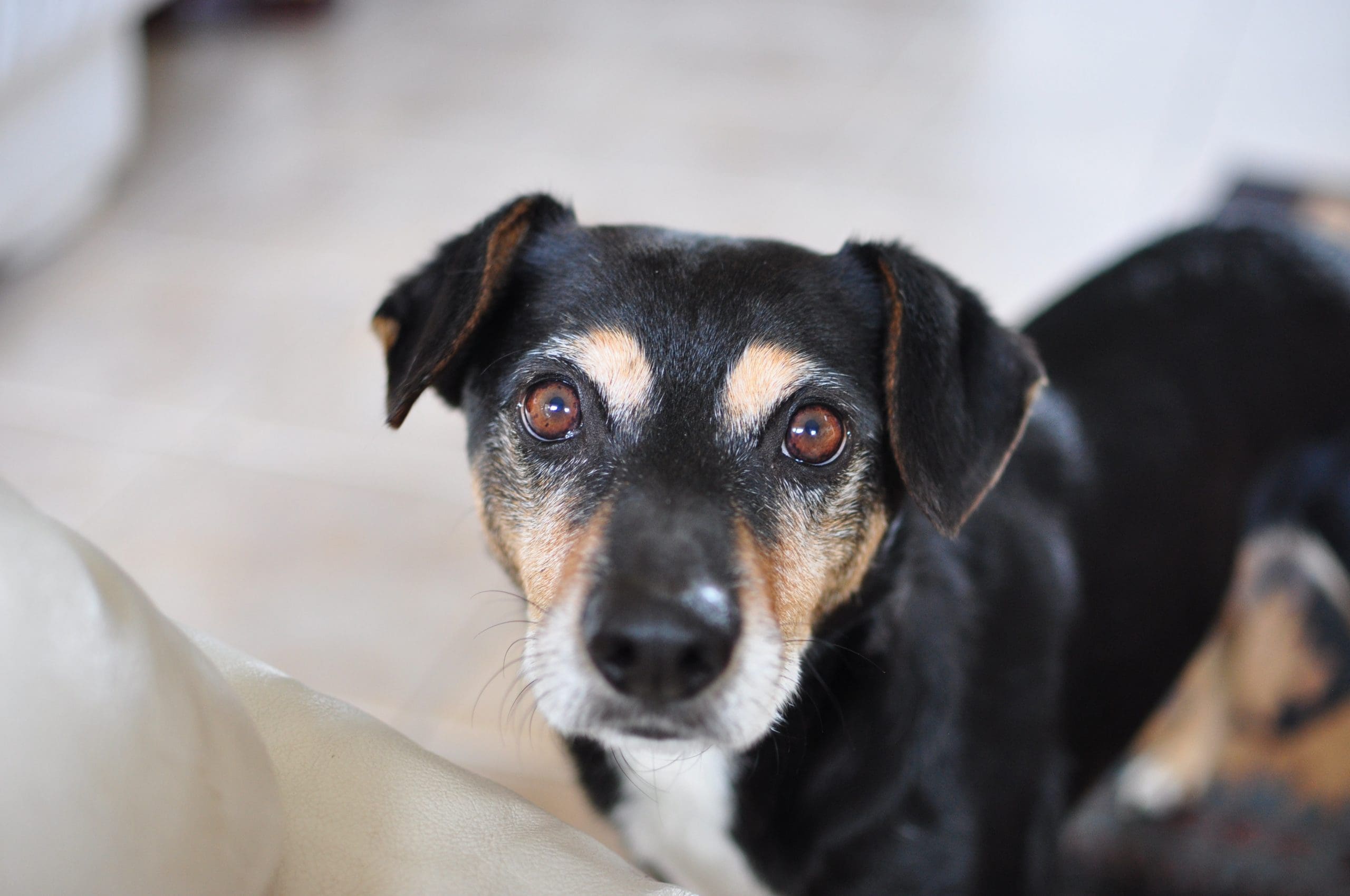
Dog sneezes when excited?
Post Date:
January 18, 2026
(Date Last Modified: February 5, 2026)
Understanding why your dog sneezes when excited matters more than it might first appear. For a dog lover, being able to tell the difference between a harmless quirk and a sign of trouble keeps daily life from turning into unnecessary worry, and it helps you make better choices about when to relax, when to modify a situation, and when to seek professional advice. I often see owners capture these moments on their phones because the behavior looks funny or endearing, and sometimes they post them online or bring the videos to the clinic to ask if something is wrong. Knowing what to look for makes those decisions easier: whether to let the greeting continue, calm an over-aroused dog, or call the veterinarian for reassurance.
Does excitement make dogs sneeze? A concise explanation
In plain terms, an excitement sneeze is usually a short burst of one or several sneezes that happens while a dog is highly aroused—during play, when greeting people, or when anticipating something fun. These sneezes often come as single sharp snorts or quick sequences and are commonly harmless, serving as either a reflex to sudden airflow or a social signal during interaction. The main difference from illness-related sneezing is duration and context: excitement sneezes are tied to arousal and stop when the excitement does, whereas persistent sneezing, discharge, or general unwellness may suggest infection, allergy, or injury. In many cases, simple monitoring is appropriate; video can help you and your veterinarian decide if further evaluation is needed.
What’s happening inside: behavioral and physiological reasons for excitement sneezes
One reason dogs sneeze in moments of excitement may be communicative. Dogs use body language and brief vocalizations to shape interactions, and a play- or greeting-related sneeze can function like a soft signal that reduces tension or invites continued play. I see this frequently in young dogs and in mixed-age groups where a quick sneeze seems to punctuate a playful pounce or enthusiastic approach.
Another mechanism is physical: a sudden intake of air during rapid panting or a hard inhale can move dust, pollen, or tiny irritants into the nasal passages and trigger the sneeze reflex. The nasal lining of dogs is quite sensitive, so a puff of strong scent, a gust of cool air, or a bit of bedding stirred up during play may be enough to set off a brief sneeze. This reflexive clearing is likely linked to how the respiratory nerves respond to mechanical or chemical stimulation.
It helps to think in terms of signals versus pathology. Allergies and infections generally involve inflammation of the nasal mucosa, thicker or discolored discharge, frequent sneezing over time, and often other systemic signs like reduced appetite or lethargy. Excitement sneezing, by contrast, tends to be immediate, short-lived, and closely tied to social or energetic contexts rather than ongoing discomfort.
When you’re most likely to see sneezing — play, greetings and anticipation
The most common settings are the obvious ones: greetings and play. Dogs often sneeze during meet-and-greets—either with people or other dogs—when their heart rate and respiratory rate ramp up quickly. Walks and the anticipation of food or a favorite toy are also frequent triggers because the rise in arousal changes breathing patterns. I typically note more of these sneezes in puppies and young adults who are still learning social cues and in dogs that are easily excitable by routine events.
Environmental factors matter too. Strong smells, aerosol sprays, cigarette smoke, and dusty areas can provoke sneezing as much as the emotional state does. Cold, dry air and rapid inhalation—like when a dog lunges or strains—can dry or irritate the nasal passages and make sneezing more likely. Breed and anatomy play a role: short-nosed breeds may show different respiratory patterns and nasal sensitivity than long-nosed breeds, and older dogs may have more chronic nasal changes that alter how often they sneeze.
When to worry: warning signs and veterinary red flags
- Frequent or prolonged sneezing bouts that do not resolve within a day or two, or sneezing that progressively worsens over time.
- Nasal discharge that is yellow, green, thick, or bloody, or discharge accompanied by a bad smell.
- Visible breathing difficulty, open-mouth breathing at rest, wheezing, persistent coughing, or exercise intolerance.
- Behavioral changes such as marked lethargy, loss of appetite, fever, or signs that the dog is in pain or avoiding normal activities.
- Sudden collapse, fainting, or acute deterioration—these are emergencies and need immediate veterinary attention.
Practical owner actions: what to do when your dog sneezes from excitement
- Observe and note context: write down when the sneezing happens, what the dog was doing, and how long the episode lasted. Small details—time of day, whether other animals or people were present, recent exposure to sprays or smoke—can matter.
- Record short video clips showing the behavior and the surrounding context. A few clear seconds that show the dog before, during, and after the sneezing is often enough for a clinician to get a sense of whether it’s excitement-related.
- Quickly check the nose and face for visible discharge, swelling, or pain. Do this calmly; if your dog is still excited, wait until they are settled to avoid stress.
- Assess breathing effort at rest: is the dog easily winded, is their chest moving heavily, or are they breathing through their mouth without recent exercise? Persistent labored breathing deserves prompt veterinary contact.
- If the sneezing is occasional, tied to excitement, and the dog otherwise acts normally, monitoring at home for 24–48 hours is often reasonable. Contact your veterinarian sooner if any red-flag signs appear, or if the sneezing becomes frequent or shows no sign of improvement.
Calm the scene: environment tweaks and training techniques to reduce excited sneezing
Reducing triggers is often the simplest step. Keep the air indoors free of cigarette smoke, strong perfumes, frequent aerosol sprays, and heavy dust. I suggest using a lint-roller on bedding and toys and washing dog beds regularly to reduce dust and dander. Maintaining moderate indoor humidity can also help if the air in your home is very dry; a humidifier set to a comfortable range may reduce nasal dryness that contributes to sneezing.
Behavioral strategies can lower the intensity of greetings and play and thus reduce excitement sneezing. Teach and reinforce calm greeting routines—ask guests to ignore the dog until they are settled, have the dog sit before petting, and use reward-based training to encourage low-arousal behaviors. Gradual desensitization to specific triggers (for example, brief, controlled approaches by visitors paired with treats) may help dogs that habitually overreact. Keep training sessions short and predictable; I find consistent, small steps work better than intense, infrequent corrections.
Helpful gear and aids — collars, calming products and practical tools
Certain tools can make a practical difference without adding risk. A front-clip harness helps prevent throat and tracheal pressure that can occur with collar pulling, which in turn can alter respiratory patterns during excitement. An air purifier with a HEPA filter can reduce airborne particles like dust and pollen in homes prone to irritation. A simple humidifier can be helpful in dry climates or during winter months when indoor heating dries mucous membranes.
Use your smartphone or a small camera to document episodes for your veterinarian; clear video often answers more questions than a long verbal description. For nasal care, saline rinses or sprays can sometimes soothe mild irritation, but these should only be used under veterinary guidance—do not administer medicated sprays or antibiotics without a clinician’s direction. If you suspect environmental allergies, discuss safe testing and treatment options with your vet rather than trying over-the-counter medications on your own.
Research and further reading: trusted sources
- Merck Veterinary Manual: “Nasal Disorders in Dogs” — https://www.merckvetmanual.com/respiratory-system/nasal-disorders
- American Veterinary Medical Association (AVMA): “Recognizing respiratory distress and other signs of illness in dogs” — https://www.avma.org/resources-tools/pet-owners/petcare/recognizing-illness
- American College of Veterinary Behaviorists (ACVB): client resources on canine behavior and when to consult a behaviorist — https://www.dacvb.org/owners
- Applied Animal Behaviour Science: reviews and studies on play and communication in dogs (see reviews by N. J. Rooney and J. W. S. Bradshaw on canine play signaling)
- Cornell University College of Veterinary Medicine: client handouts on canine respiratory and nasal disease — https://www.vet.cornell.edu/departments/clinical-sciences/our-clinics/companion-animal-hospital
