Category: Puppy Training
-
Why My Puppy Bites and How to Stop It?
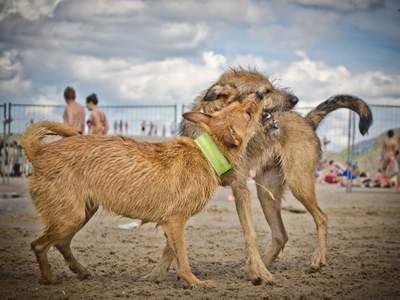
Puppy biting covers a range of behaviors from gentle mouthing to forceful strikes and can mean different things depending on age, context, and the puppy’s health. Clear descriptions of bite types, practical safety steps, and humane training techniques help owners respond effectively. Types and Severity of Puppy Bites Mouthing and nipping are typically low‑force behaviors…
-
Help! My Dog Pees in the Crate!
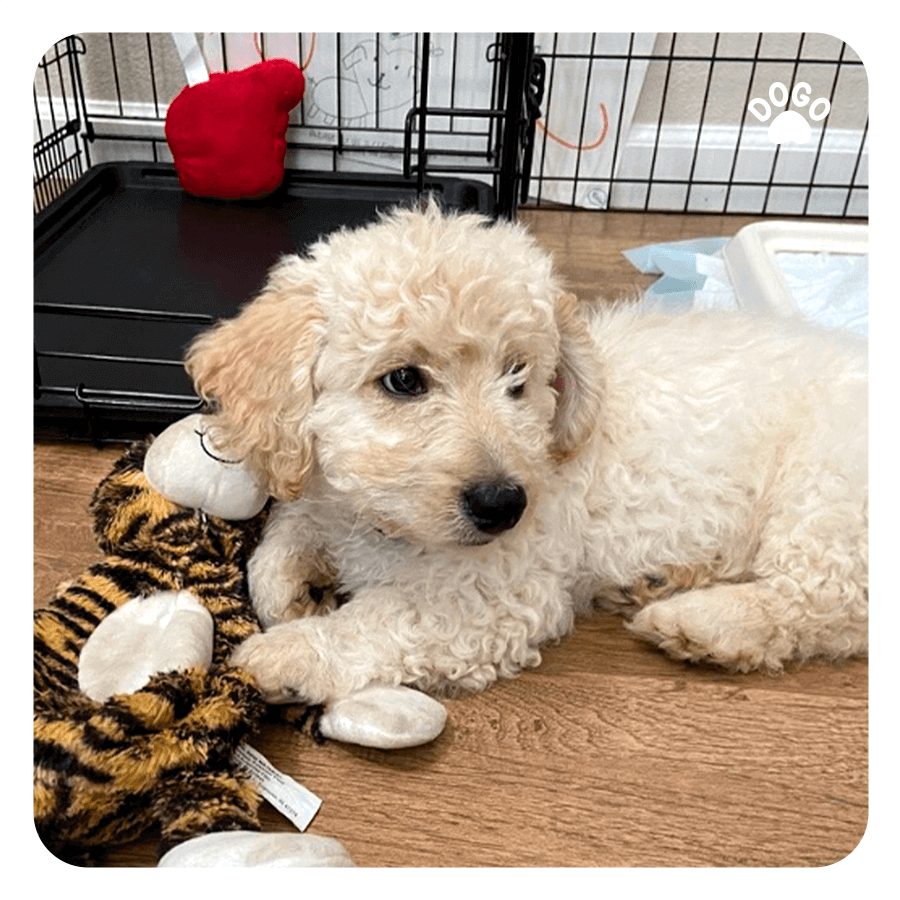
If your dog is urinating in the crate, identify whether the behavior is true urination, marking, stress-related, or contamination so you can choose the right next steps. Careful observation of patterns and basic medical screening will steer decisions about training, cleaning, and confinement changes. What’s happening: define the problem and patterns Start by distinguishing elimination…
-

Let Sleeping Dogs Sleep. Puppy Sleep Routine
Puppy sleep is governed by rapid physical and neural development and benefits from predictable routines and safe spaces. Why puppies sleep differently Puppies spend roughly 18–20 hours per day asleep while their brains and bodies undergo rapid developmental changes.[1] Sleep architecture in puppies includes more frequent cycles of active (REM-like) and quiet sleep compared with…
-

Dog House Training. Step by Step and Troubleshooting.
House training a dog requires consistent routines, clear signals, and coordinated household expectations to shape reliable indoor and outdoor elimination behavior. Training objectives and terminology Successful house training means the dog eliminates in preferred locations with predictable cues, and accidents decline to a level set by the household while the dog reliably responds to a…
-
How to Set Your Dog for Success in Training
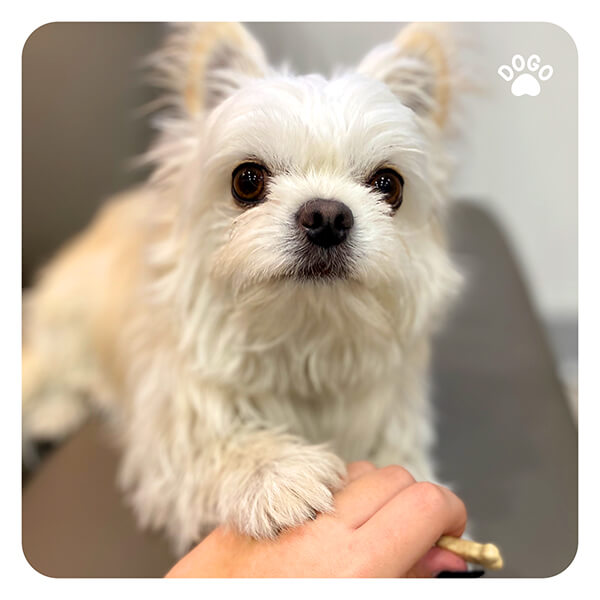
Successful dog training begins with preparation that matches a dog’s physical, mental, and environmental needs. Thoughtful assessment and planning reduce frustration and speed reliable learning. Know Your Dog Understanding breed tendencies, life stage, temperament, and prior experiences shapes realistic training goals and humane methods. Puppies have a sensitive socialization window early in life; social exposure…
-

Puppy Training Schedule
Establishing a consistent, age-appropriate training schedule helps puppies learn reliable habits and reduces household stress. Age-based training milestones Key developmental windows commonly referenced are 8–16 weeks, 4–6 months, and the adolescent period, and training should align expectations to those stages rather than treating all young dogs the same[1]. Typical skill targets include beginning reliable potty…