
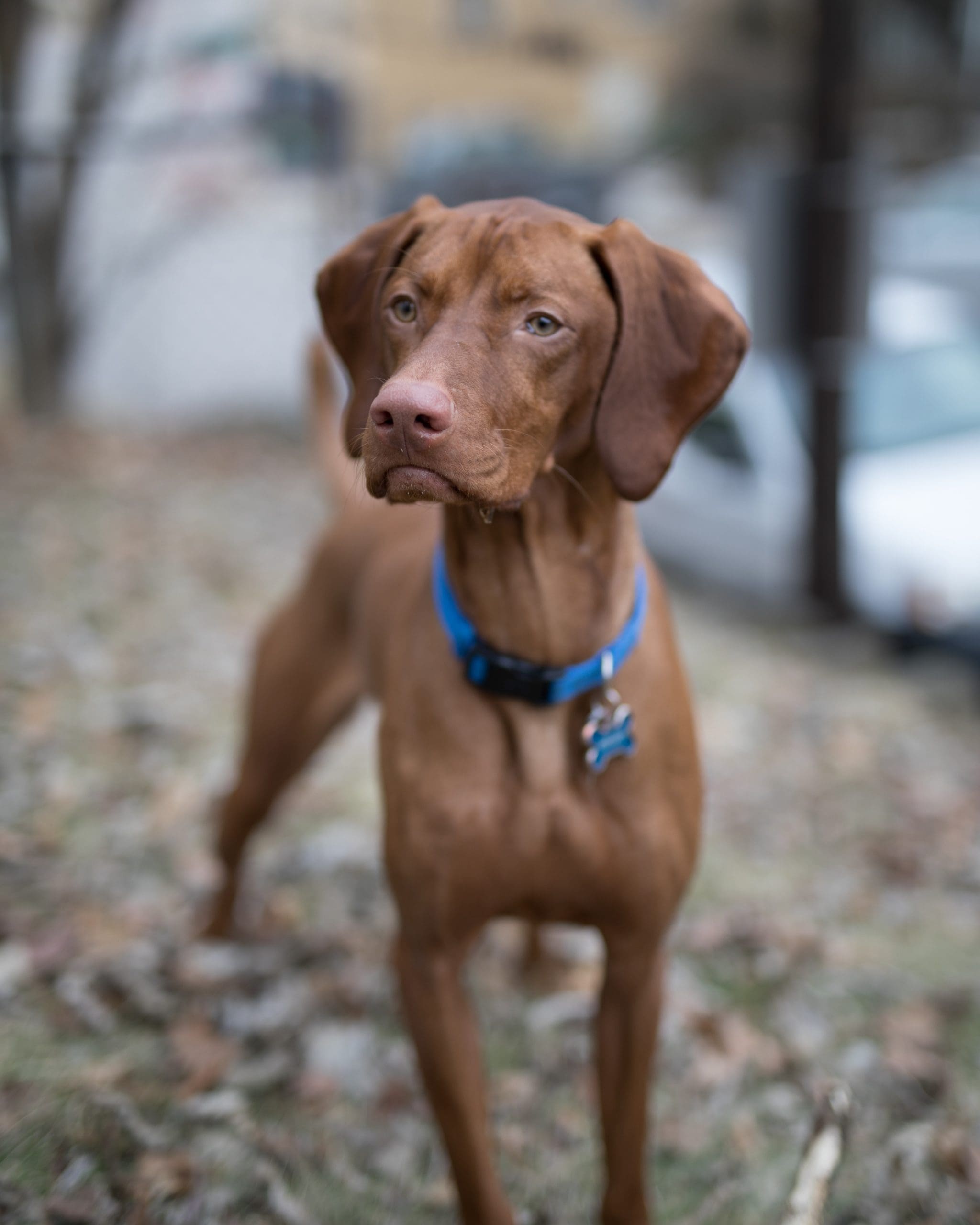
Why is my dog hiding under the bed?
Post Date:
January 11, 2026
(Date Last Modified: February 5, 2026)
Many dog owners feel unsettled when their dog slips under the bed. That reaction matters: hiding can be a short-term coping strategy or the first hint of an underlying problem. Owners want to know whether to wait, comfort, coax the dog out, or call the vet. Recognizing common scenarios—like a dog that disappears during fireworks, a dog that retreats after a scuffle with another dog, or an older dog that starts hiding more often—helps you decide whether observation is enough or action is needed. The emotional impact is real: repeated hiding can erode trust, or conversely, over-attentive rescue attempts can unintentionally reinforce avoidance. In many situations a calm, measured approach protects the bond while you gather enough information to act appropriately.
In brief — the most likely reasons your dog is hiding under the bed
Most often a dog hiding under the bed is reacting to stress, fear, or discomfort; it may also be conserving energy when ill or avoiding social contact if feeling threatened. Quick signs that point toward stress or fear include trembling, wide eyes, pinned ears, or a dog that snaps when handled. Signs that suggest a medical cause are sudden change in hiding behavior accompanied by lethargy, inappetence, vomiting, or disorientation. If hiding follows a specific trigger like thunder and resolves in hours, it is likely temporary; if hiding becomes daily, longer than a few days, or is paired with other concerning signs, it is more likely persistent and worth professional evaluation.
Under the skin: instincts and the biology behind hiding behavior
Hiding is rooted in basic survival strategies. When a dog perceives danger, the nervous system shifts resources toward a fight-or-flight response, and retreating to a small, enclosed space may be the most accessible option. This behavior is likely linked to a physiological cascade—elevated heart rate, rapid breathing, and increased vigilance—that encourages stillness and concealment until the perceived threat passes.
Beyond immediate fear responses, many dogs retain a denning instinct. Ancestors of domestic dogs used sheltered spots for safety and sleep; some dogs still prefer tight, low-lit areas because they feel secure there. A bed’s underside can mimic a den’s shelter and provide a predictable microenvironment that reduces sensory stimulation.
Hiding can also be a signal of pain or low energy. When animals are ill they often seek quiet, protected places where they can rest without being disturbed. This is likely linked to energy conservation and vulnerability reduction during recovery. In older dogs, hiding may be related to sensory declines—poorer vision or hearing—or to cognitive changes that make the world more confusing and more frightening.
Common triggers — situations that push dogs to retreat beneath the bed
Acute loud noises commonly prompt hiding. Thunderstorms, fireworks, sudden construction noise, and door-slams are frequent precipitants because they startle dogs and create an unpredictable environment. Some dogs learn to anticipate these events and will seek shelter before noise peaks.
Social triggers are another common cause. A new person in the house, unfamiliar visitors, strange dogs in the yard, or a stressful veterinary visit may lead a dog to retreat. I typically see dogs hide after uncomfortable interactions at the dog park or following strong correction; the bed can be a place where they feel off-limits to others.
Household changes such as moving, rearranging furniture, new pets, or shifts in family dynamics can also increase hiding. Dogs are creatures of routine; a sudden change in household flow can make previously neutral areas feel unsafe. Additionally, schedule shifts—like longer periods alone at home, different work hours, or new nighttime behaviors—can drive a dog to seek a secure spot during times that feel uncertain.
Red flags to watch for: medical and behavioral warning signs
Not all hiding is benign. Immediate veterinary attention should be considered when hiding is accompanied by sudden lethargy, refusal to eat or drink, persistent vomiting, or signs of pain such as whining, flinching, or guarding a specific area. These signs may suggest an acute illness or injury that needs prompt assessment.
If a dog hides and shows breathing difficulty, collapse, pale or blue-tinged gums, bleeding, or disorientation, treat the situation as an emergency. These signs may suggest life-threatening conditions like severe internal injury, poisoning, respiratory compromise, or heat-related illness.
Behavioral escalation is another red flag. If hiding is combined with sudden aggression, intense reactivity when approached, or an inability to be handled safely, the risk of injury to people and the dog rises. In those cases, consult a behavior-focused veterinarian or a board-certified behaviorist rather than attempting to force interaction.
Immediate actions for owners: how to respond and reassure your dog now
- Approach calmly and observe from a distance. Sudden movements, loud voices, or reaching under the bed can increase a dog’s stress and cause defensive reactions. I usually watch quietly first for signs of breathing, posture, and eye contact before taking other steps.
- Check for visible injuries, body temperature, and breathing without forcing the dog out. If you can see the dog safely, look for wounds, limping, drooling, or labored breathing. If the dog appears seriously unwell, call your veterinarian or emergency clinic right away.
- Minimize stimuli and create a quiet pathway out. Turn off radios/TV, dim lights, and remove people and other pets from the area. Open the bedroom door and lift one corner of a blanket or sheet to offer an obvious exit without cornering the dog.
- Offer gentle encouragement with high-value rewards and patience. Tossing treats near the bed’s entrance, using a favorite toy, or saying the dog’s name softly can be effective. Do not force the dog out—coaxing with positive options is safer and more likely to preserve trust.
- Record timing, triggers, and accompanying signs. Note when the hiding started, what was happening beforehand, how long the dog stayed hidden, and any other symptoms. Photos or short video clips can be very helpful for a veterinarian or behaviorist assessing the situation.
- Call a professional if red flags are present or if the behavior persists. Your veterinarian can advise whether an exam is needed or whether referral to a behavior specialist is appropriate.
Longer-term fixes: training techniques and environment adjustments
Longer-term reduction of hiding relies on predictable routines and positive associations. Create safe den alternatives that are comfortable and explicitly encouraged: a covered crate with soft bedding placed in a quiet corner, a low-profile cave bed, or a closet space outfitted with a blanket and your dog’s favorite toys. I advise introducing these spaces slowly and positively—feed meals there, place treats and toys in the space, and never use the den for punishment.
Desensitization and counter-conditioning can change a dog’s emotional response to triggers. For example, with noise aversion, start at volumes that do not provoke hiding and pair those sounds with highly desirable rewards, gradually increasing volume as tolerance builds. Work in short, controlled sessions and proceed at your dog’s pace. For social fear, controlled, positive exposures to friendly people or calm dogs—paired with rewards—can rebuild confidence.
Reinforce confident behavior when it occurs. If your dog chooses the sofa instead of hiding, reward that choice with a small treat or calm praise. Avoid over-comforting a dog every time they show fear, because repeated rescue that removes the dog from mildly stressful but manageable contexts can unintentionally teach avoidance. Consistent daily routines, regular exercise, and mental enrichment—puzzle feeders, scent work, training sessions—also reduce baseline anxiety that leads to hiding.
Helpful gear and tools to make your dog feel safer
- Covered crate or den-style bed—offers a predictable, sheltered place where a dog can retreat without being forced.
- Calming pheromone diffusers (for example, dog-appeasing pheromone products) and anxiety wraps (like the Thundershirt) can reduce acute stress responses for some dogs when used as part of a broader plan.
- High-value treats and puzzle feeders—use these to build positive associations with the den and to make the environment more rewarding than hiding under furniture.
- White-noise machines or music designed for dogs (for example, curated recordings or apps) to mask startling noises and provide a steady acoustic backdrop that many dogs find soothing.
Research and resources — sources for further reading
- Merck Veterinary Manual: “Anxiety and Fear in Dogs” — Merck Vet Manual (section on behavioral responses and management)
- American Veterinary Medical Association: “Thunderstorm and Fireworks Anxiety in Pets” — AVMA guidance on noise-related fear
- American College of Veterinary Behaviorists (ACVB): “Finding a Board-Certified Veterinary Behaviorist” and position statements on behavior treatment
- ASPCApro: “Clinical Behavioral Medicine—Fear and Anxiety in Dogs” and ASPCA advice for pet owners on coping with noise aversion
- Landsberg, G., Hunthausen, W., & Ackerman, L. Behavior Problems of the Dog and Cat. 3rd ed. — Practical approaches to behavior modification and environmental management
- Overall, K. L. Clinical Behavioral Medicine for Small Animals. 2nd ed. — Comprehensive review of behavioral diagnoses and treatment strategies
