
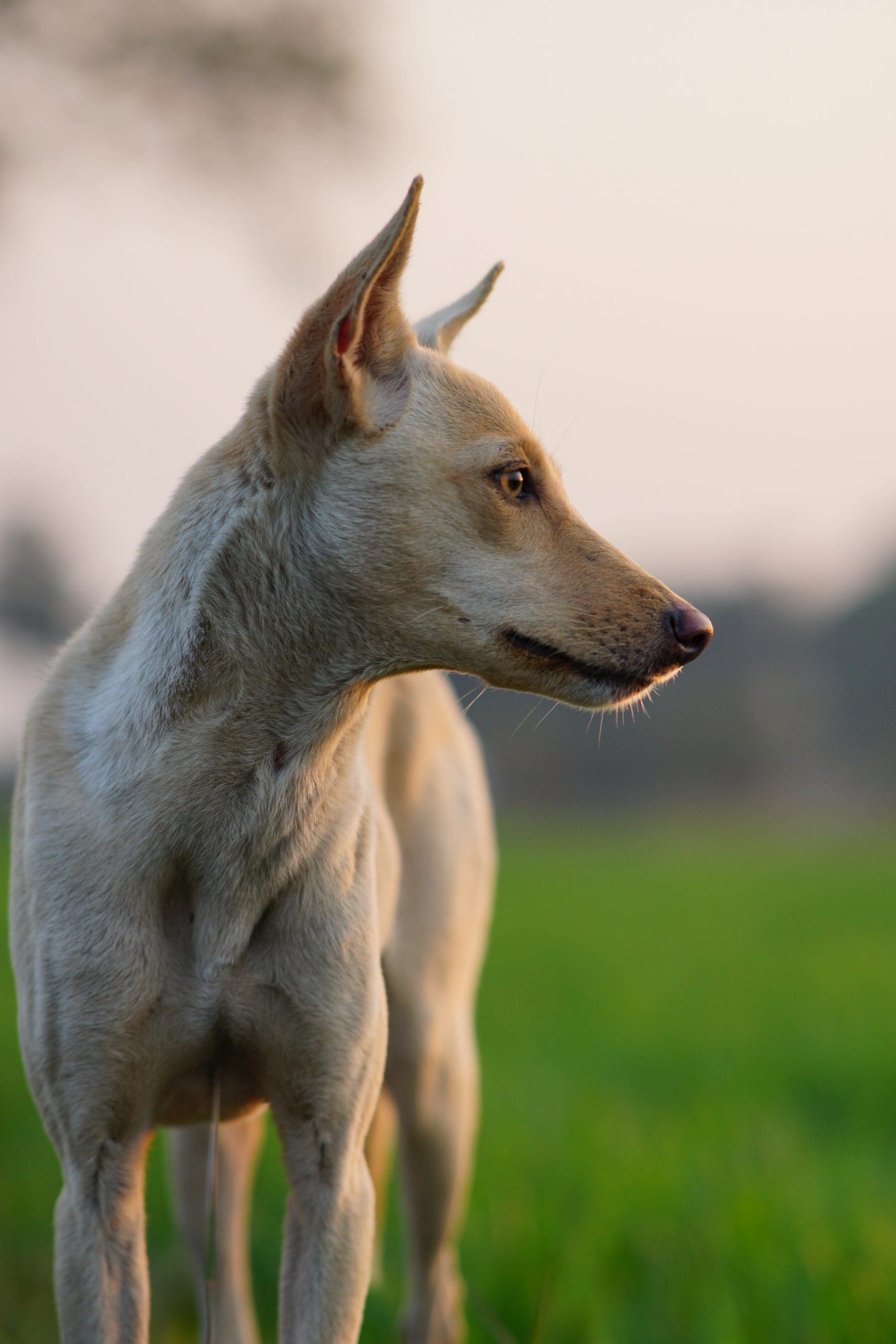
Why does my dog pant so much?
Post Date:
December 23, 2025
(Date Last Modified: February 5, 2026)
Dogs pant. It’s one of the most obvious ways they react to heat, exercise, and emotions, and it’s the symptom owners notice first. When your dog’s panting feels excessive, it’s normal to worry: you want to be sure they’re comfortable, safe, and not silently suffering. This article focuses on clear, practical guidance so you can recognize what’s normal, what may be a problem, and what to do right away.
Panting and your peace of mind: what it might be telling you about your dog
Owners most often notice heavy panting during everyday moments: after a neighborhood walk, during a hot car ride, at the vet clinic, or when a thunderstorm rolls in. I typically see owners checking panting after play sessions, in the car on summer afternoons, and during visits where the dog is anxious. Understanding what’s behind the panting helps you act calmly and quickly, which can keep a dog safe and reduce stress for both of you.
There are also emotional reasons people want answers. Panting can be alarming if it seems worse than usual; that worry leads owners to search for explanations or to second-guess whether a rest break or a trip to the clinic is needed. Clear, practical knowledge supports better decisions on comfort, safety, training approaches for fearful dogs, and when to seek medical care.
Ultimately the goals most owners have are straightforward: help the dog cool down safely, reduce anxiety where possible, avoid preventable emergencies (like heatstroke), and use panting as one of several health-monitoring cues. You don’t need to be an expert to notice changes; you just need reliable actions and signals to watch for.
In brief — when panting goes beyond the normal
Panting is a normal way for dogs to lose heat after exertion or in warm weather; a dog who’s been running or playing will usually breathe rapidly for a few minutes while cooling down. Panting is also a common sign of emotional states—excitement, fear, or pain—so sudden heavy panting during a vet visit or thunderstorm may point to stress rather than overheating.
However, panting can suggest a medical problem when it’s unusually intense, happens at rest, or comes with other signs. Heatstroke, heart or lung disease, metabolic problems like Cushing’s disease or low blood sugar, and some toxin exposures may cause pronounced or persistent panting. Use the context and other symptoms to judge urgency: if a dog is brightening up and breathing slows when cooled, that’s reassuring; if breathing stays rapid or the dog seems unwell, treat it more urgently.
The biology of panting: how dogs cool down and breathe
Panting is primarily an evaporative cooling mechanism. Dogs have relatively few sweat glands over most of their bodies, so moving air across the wet surfaces of the tongue, mouth, and upper airways helps remove heat. As air moves rapidly in and out, moisture evaporates and heat is carried away—this is the main physical function behind the rapid, open-mouth breathing you see.
Thermoregulation in dogs relies on panting plus behavior: seeking shade, reducing activity, and altering posture to expose less insulated areas. Because sweating is limited compared with humans, panting may increase rapidly as temperature or exertion rises. Panting also raises airflow through the nose and throat, which can influence body temperature more than skin-only cooling in many situations.
Panting is not only thermal. It is commonly used as a social or stress signal. A dog may pant when excited—meet-and-greets at the dog park—or when anxious in a car or at the vet. In those cases, breathing is often rapid but the body temperature may not be elevated; instead, the autonomic nervous system is active. I often see dogs pant heavily when they’re trying to placate humans or other dogs, and that same behavior can be mistaken for overheating if you don’t check other signs.
Breed anatomy influences how easily a dog pants. Flat-faced (brachycephalic) breeds like bulldogs and pugs have tighter airways and often need to pant more to move the same volume of air; they are more likely to overheat. Deep-chested breeds or older dogs with heart or lung disease may have reduced respiratory efficiency and therefore higher breathing rates at rest. Age and fitness matter: a young, fit dog typically recovers more quickly after exertion than an older or overweight dog, whose panting may stay elevated longer.
When panting spikes: common triggers to watch for
Environmental factors are often the first trigger. High ambient temperatures, direct sun, humid conditions, and poor air circulation make panting more intense because evaporative cooling becomes less effective as humidity increases. Even a short car ride with windows up can create a dangerous rise in temperature quickly, and panting will escalate as the dog struggles to dissipate heat.
Exercise level matters too. Intensity and duration of activity, combined with fitness and body condition, determine how much panting you’ll see. A fit dog may pant hard after a sprint but settle quickly; an overweight dog may breathe heavily for a longer period and show more signs of fatigue.
Emotional triggers—excitement, fear, separation, travel phobia, or pain—can also raise respiration without a large temperature change. Certain medications, stimulants, or toxins can increase respiratory rate, as can altitude and poor air quality; smoke or pollutants may cause both coughing and increased panting. Knowing what changed right before the panting started helps narrow the likely cause.
Warning signs that mean you should contact a veterinarian
- Collapse, unsteady gait, or loss of consciousness—panting accompanied by these signs may suggest heatstroke or a severe medical problem and needs immediate care.
- Abnormal gum or tongue color—blue, pale, or very brick-red gums may indicate poor oxygenation, shock, or severe overheating and should prompt urgent evaluation.
- Very high respiratory rate at rest (more than twice the dog’s normal after 10–15 minutes of rest), drooling, vomiting, diarrhea, or seizures—these increase concern for systemic illness, toxins, or severe heat-related injury.
- Prolonged panting that doesn’t improve with cooling measures, or panting with open-mouth breathing and little ability to lie down comfortably—this suggests a problem beyond simple exertion and is a cue to seek veterinary help.
Immediate steps to help a heavily panting dog
- Assess the scene quickly: what did the dog do just before the panting started, what is the ambient temperature, and how quickly did the panting begin? Check responsiveness and body posture—can the dog stand, follow your voice, or is there weakness?
- Move the dog to a cooler, shaded, and well-ventilated area. Offer small amounts of cool (not ice-cold) water; encourage drinking but do not force a distressed dog to drink. Remove heavy clothing or gear that may trap heat, and open windows if in a car, or use a fan to increase air flow.
- Apply cool, damp towels to the neck, chest, and groin—areas with major blood vessels near the skin—rather than slapping ice directly on the dog. Rapid cooling with cold water immersion may be appropriate for classic heatstroke but is best done under instruction from a veterinarian because internal temperature and shock risk must be managed carefully.
- Monitor key signs: respiratory rate and effort, gum color, temperature if you have a pet thermometer (normal resting rectal temperature is roughly 100.5–102.5°F/38–39°C), and mental state. If the dog becomes weak, vomits persistently, has seizures, has blue/pale/brick-red gums, or if breathing does not improve with cooling, call your veterinarian or an emergency clinic immediately.
Long-term fixes: environment, conditioning, and behavior work
Practical changes reduce many panting problems. Keep exercise to cooler times of day—early morning and evening in hot months—and shorten intense sessions. I recommend conditioning slowly: increase duration and intensity over days to weeks so the dog’s cardiovascular and cooling systems adapt. For dogs carrying extra weight, modest, steady weight loss often reduces panting and improves recovery after activity.
For anxiety-driven panting, behavioral strategies help. Desensitization and counterconditioning—gradual exposure to the trigger while pairing with something positive—can lower stress responses for car travel, baths, or vet visits. For storms, create a predictable safe space with sound buffering, and use brief, controlled exposures combined with treats or play to change the dog’s associations. A veterinary behaviorist can help with complex or severe cases and may suggest medication when behavior training alone isn’t sufficient.
Avoid predictable situations that provoke panting when possible: don’t leave dogs in cars on warm days, provide shaded rest areas during outdoor events, and be mindful of surfaces that heat up (blacktop can radiate heat that raises a dog’s body temperature quickly). Planning ahead—bringing water, shade, and cooling gear—reduces the chance that panting escalates into an emergency.
Useful tools and devices to keep your dog cooler and monitored
Several products can safely help dogs cool or let you monitor breathing more easily. Cooling vests and mats that use evaporative cooling may reduce body temperature when used correctly; they’re most effective when combined with shade and lower activity. Portable water bottles with bowls and travel water stations make it easier to offer frequent sips during walks or car trips.
Fans and evaporative coolers can increase air movement and enhance panting efficiency, but make sure the airflow reaches the dog and that the solution isn’t overly dampening the environment. For monitoring, a simple digital rectal thermometer for home use can provide quick temperature checks; wearable activity monitors and pet-specific respiration trackers may help detect changes in resting breathing over days to weeks, which can be useful for chronic conditions.
Avoid equipment that restricts breathing: tight muzzles, harnesses that rub or press on the chest, or headgear that interferes with panting can make a problem worse. If your dog needs a muzzle for safety reasons, choose one that allows panting, drinking, and vomiting—basket-style muzzles are preferable to soft cloth types that close the mouth.
Sources and further reading
- Merck Veterinary Manual: “Heat Stroke (Hyperthermia) in Dogs and Cats”
- Cornell University College of Veterinary Medicine: “Heat Stroke in Dogs” client-facing factsheet
- American Veterinary Medical Association (AVMA): “Hot Weather Safety Tips for Pet Owners”
- British Veterinary Association / RCVS guidance: “Brachycephalic Obstructive Airway Syndrome (BOAS) in dogs” overview for owners
- American College of Veterinary Behaviorists (ACVB): “Guidance on Treating Canine Anxiety and Phobias”
