What dogs dont shed?
Post Date:
December 15, 2023
(Date Last Modified: November 13, 2025)
Dogs described as “non‑shedding” or “hypoallergenic” are labels people use to describe lower visible hair and, in some cases, reduced allergen transfer to the home; definitions and expectations vary widely.
What “non‑shedding” and “hypoallergenic” mean
The term “non‑shedding” is informal and typically means a dog sheds little visible hair in the home, while “hypoallergenic” is used to imply reduced allergen risk; neither term is legally or uniformly defined, and controlled allergen studies show that sensitivity to dog proteins varies by person and exposure, with many studies reporting that roughly 50–70% of people with dog allergies react to common dog allergens across multiple breeds[1].
Because hair, dander, saliva and urine each carry proteins that can sensitize people, the key measurable outcomes that buyers should consider are the amount of loose hair, the rate of dander production, and the level of detectable allergen proteins in the environment rather than a binary “allergic or not” label[1].
How dog coats and shedding work
Dog hair follows a growth cycle with three classic phases: anagen (active growth), catagen (transition), and telogen (rest), and in many breeds the anagen phase commonly lasts about 2–3 months before hair transitions to shedding or rest[2].
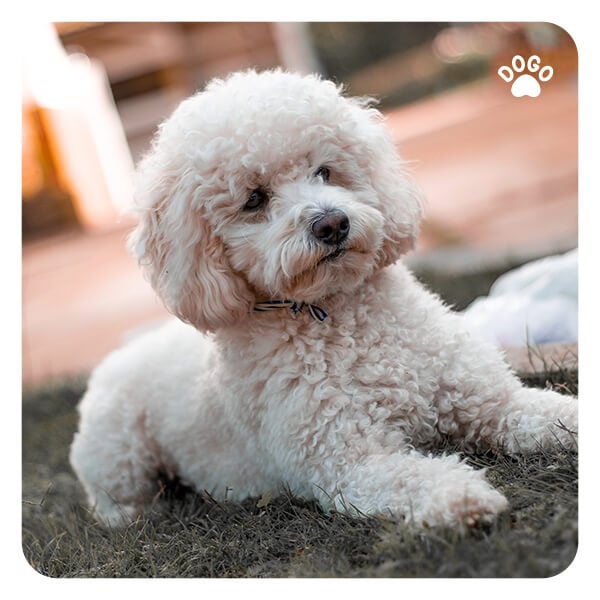
Coat architecture strongly influences shedding: double coats have a dense undercoat plus guard hairs and typically show seasonal, synchronized moulting in spring and fall, while single coats and continuously growing “hair” types (for example, many poodle‑type coats) tend to shed minimally between professional trims[2].
Some breeds moult seasonally with one or two pronounced shedding peaks per year, while breeds with continuously growing hair exhibit lower continuous loss but require regular clipping or trimming to manage length and matting[2].
Biological and environmental factors that influence shedding
Underlying health and endocrine status change shedding: for example, primary hypothyroidism influences the hair cycle and is reported in the veterinary literature at a low but clinically meaningful prevalence in dogs; estimates in referral populations vary, but prevalence figures around 0.2–0.8% are cited for general canine populations in clinical sources[3].
Age and hormones alter hair growth patterns—senior dogs commonly show coat thinning or increased shedding after about 7 years of age depending on breed and individual health—while parasites or dermatologic infections can provoke localized or generalized hair loss until the underlying cause is treated[3].
Nutrition affects hair quality; diets deficient in essential fatty acids or protein frequently correlate with brittle hair and increased breakage, and controlled nutrition guidelines from veterinary authorities emphasize balanced protein plus omega‑3 fatty acids for coat health[3].
Breeds commonly considered non‑shedding or hypoallergenic
Breed associations and veterinary sources commonly list a small group of breeds associated with low visible shedding and hair‑type coats that trap shed hair rather than broadcast it into the home; these breeds are often recommended as lower‑shedding options by clinical sources because of their coat structure and growth pattern[4].
- Poodle (toy, miniature, standard)
- Bichon Frise
- Portuguese Water Dog
- Schnauzer (all sizes)
- Maltese and Yorkshire Terrier
- Basenji
Coat type predicts shedding tendencies because tightly curled or continuously growing hair traps shed fibers and dander, requiring clipping rather than seasonal blowouts, but even within a breed individual variability exists and breed labels cannot guarantee low shedding for a given dog[4].
| Breed | Coat type | Typical shedding | Grooming notes |
|---|---|---|---|
| Poodle | Curly, continuously growing | Low visible shed | Regular clipping and brushing |
| Bichon Frise | Curly, single type | Low visible shed | Frequent trims to prevent matting |
| Portuguese Water Dog | Curly or wavy | Low to moderate | Periodic professional grooming |
| Basenji | Short, smooth single coat | Low | Minimal grooming but regular brushing |
| Schnauzer | Wiry, non-shedding topcoat | Low visible shed | Hand‑stripping or clipping recommended |
Mixed breeds, designer dogs, and unpredictability
Genetic inheritance of coat traits follows Mendelian and polygenic patterns; when parents carry different coat genes there is often a roughly 50% chance for a puppy to inherit a given allele from a heterozygous parent, which makes coat outcome unpredictable for many first‑generation crosses[1].
Popular hybrids such as Labradoodles and Goldendoodles can show wide variation: some offspring resemble the non‑shedding parent type while others resemble a shedding parent, so assume unpredictability unless a breeder can document genotype or previous litters with reliable coat outcomes[4].
Assess likely shedding by evaluating both parents’ adult coats and, when available, reviewing genetic test results for alleles known to affect coat length and texture; even then, crossbreeds can surprise owners because multiple genes influence curl, undercoat density and hair longevity[1].
Grooming and home practices that minimize visible shedding
Brushing reduces loose hair in the environment; for example, daily brushing for high‑shedding coats and 2–3 times per week for low‑shedding hair types is commonly recommended by veterinary and grooming sources to capture hair before it disperses into the home[5].
Professional grooming intervals commonly range from 4–12 weeks depending on coat type and owner preference; breeds with continuously growing hair often need clipping every 4–8 weeks to maintain manageable length and to reduce matting that traps debris and dander[4].
Bathing and drying help remove loose hair and allergens; targeted home strategies such as a high‑efficiency particulate air (HEPA) filter in living spaces, microfiber dusting, and vacuuming with a HEPA or washable filter on a 1–2 week cycle reduce visible hair and settled dander regardless of breed[5].
Health, diet, and medical causes of abnormal shedding
When shedding is sudden, patchy, or accompanied by itching or skin changes, common medical causes to consider include allergies, endocrine disorders (for example, hypothyroidism), parasitic infestations, and dermatologic infections; veterinary clinical references highlight that medical causes require diagnostic testing rather than assumptions based on appearance alone[3].
Nutrition plays a measurable role in coat quality: diets balanced for adult maintenance with adequate omega‑3 fatty acids and amino acids correlate with improved hair tensile strength and reduced breakage in controlled studies summarized by veterinary nutrition authorities[3].
Consult a veterinarian if shedding increases suddenly or if the dog develops areas of hair loss, crusting, or systemic signs; diagnostic steps commonly include skin scrapings, cytology, endocrine testing and, when indicated, allergy testing or dermatology referral[3].
Allergy considerations and managing dander exposure
Human allergy to dogs is typically driven by specific proteins found in dander and saliva rather than by hair itself; clinically relevant dog allergens such as Can f 1 can be widely distributed and persistent in indoor environments, with intervention studies showing that environmental reduction strategies lower measured allergen levels and symptomatic exposure for many patients[1].
Medical options for sensitive people include targeted allergy testing and, when appropriate, allergen immunotherapy; immunotherapy trials and clinical practice guidelines documented in peer‑reviewed literature demonstrate symptomatic improvement for a substantial fraction of correctly identified canine allergen‑sensitive patients[1].
Home mitigation steps that reduce exposure include establishing pet‑free bedrooms, using HEPA filtration, and routine cleaning focused on fabrics and soft surfaces where dander accumulates, all of which have measurable effects on indoor allergen load in clinical studies summarized by allergy and veterinary sources[5].
Choosing and living with a low‑shedding dog
Match breed and coat to lifestyle and household members: low‑shedding coats commonly require more frequent professional grooming and at‑home maintenance, and buyers should budget for grooming costs and time—professional grooming frequently costs in a range commonly cited by clinics and groomers, and prices vary by region and size[4].
Adoption is a viable path to find individual dogs with the desired coat and temperament; when acquiring a puppy from a breeder, ask to meet both parents as adults because parental coat appearance is one of the better practical predictors of offspring coat in the absence of guaranteed genetic testing[4].
Plan for realistic expectations: “low‑shedding” is not the same as “no allergens,” life with any dog requires hygiene and environmental controls to manage hair and dander, and regular veterinary care to rule out medical causes of excess shedding over time[3].
Sources
- ncbi.nlm.nih.gov — peer‑reviewed allergy and immunology literature
- merckvetmanual.com — Merck Veterinary Manual clinical references
- avma.org — American Veterinary Medical Association clinical and public resources
- vcahealthcare.com — VCA Animal Hospitals breed and grooming guidance
- aaha.org — American Animal Hospital Association recommendations on preventive care and environment