

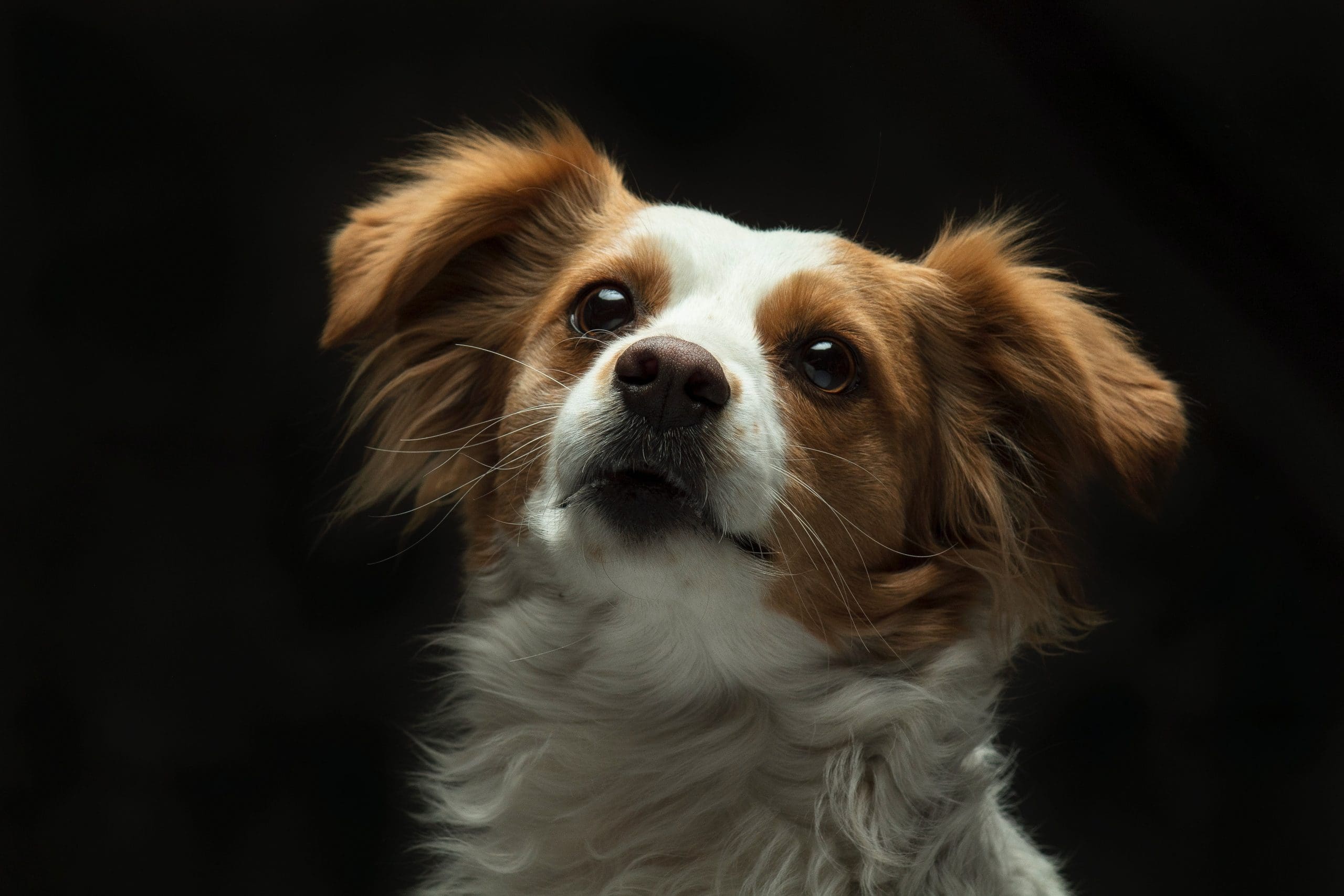
Why is my dog so skinny?
Post Date:
December 15, 2025
(Date Last Modified: February 5, 2026)
Many dog lovers notice their pet getting thin and worry about causes and what to do next. This guide is written to help you recognize common situations, aim for clear health and comfort goals, and decide when reading and home care are enough versus when you should act urgently. I typically see owners catching a subtle change—a shinier coat gone dull or ribs more visible—after a trip to the kennel, a move, or a diet switch. If you want to protect your dog’s body condition, energy and behavior, the steps below will help you gather useful information, take safe short‑term measures, and get the right professional help when needed.
At a glance — the most likely reasons your dog is underweight
If you need a quick read on why your dog looks skinny, the most frequent reasons are below. Each is short—but knowing which fits your situation points to the next step.
- Insufficient calories or picky eating: not getting enough food for size, age, or activity; sudden refusal after menu changes may mean low intake rather than illness.
- Parasites or chronic gut disease: worms or chronic intestinal problems can reduce nutrient absorption and cause steady weight loss.
- High activity or fast metabolism: working, sporting, or young, lean breeds may burn more calories than they eat.
- Stress, social competition, or recent environment change: anxiety, a stressful household, or feeding in a busy area may reduce intake.
How a dog’s body controls weight: metabolism, digestion and appetite
Think of weight as a simple balance: calories in versus calories out. If a dog consistently burns more energy than it takes in, body fat and muscle are used to fill the gap. Some dogs are naturally more efficient at burning energy; a greyhound or a terrier may have a higher baseline metabolic rate than a heavier scent hound.
Digestion and absorption matter as much as intake. Food must be broken down and nutrients absorbed. Conditions such as exocrine pancreatic insufficiency (where the pancreas makes too few digestive enzymes) or inflammatory intestinal disease may leave food passing through without being absorbed well, even when appetite looks normal. I often ask owners whether stools are voluminous or greasy—those signs may suggest poor absorption.
Diseases that cause the body to break down its own tissues—cancer, chronic infection, or severe inflammation—can drive catabolism, where muscle and fat are eaten away. These processes may not always cause dramatic early changes in behavior, so weight can be the first sign you notice.
When weight loss typically happens: life stages, stressors and illnesses
Weight changes often follow specific events. After a boarding stay or multi‑day visit with a friend, dogs can be thinner from skipped meals, different food, stress, or exposure to parasites. A new housemate dog can create competition at the bowl; the shy dog may eat less.
Seasonal and lifestyle shifts matter. A hunting dog may put on muscle through winter work and then slim down again in spring if feed isn’t increased to match activity. Exposure to spoiled food or toxins can cause acute illness and weight drop, while chronic stressors—moving home, loud construction, or ongoing resource guarding—can slowly eat away at body condition over weeks.
Timing also helps narrow causes. Sudden weight loss over days usually points to acute illness or toxin exposure. Slow loss over weeks may suggest parasites, chronic gut disease, or inadequate ongoing nutrition.
Don’t ignore these signs — red flags that need prompt attention
If any of the following are present, arrange veterinary attention promptly. These signs often accompany medical problems that need diagnosis and treatment rather than only home feeding changes.
- Rapid or progressive weight loss, or an otherwise healthy dog who suddenly looks gaunt—this may suggest a serious disease process.
- Persistent vomiting, diarrhea, or a marked drop in appetite—these often indicate gastrointestinal illness or infection.
- Lethargy, breathing changes, collapse, or neurologic signs such as wobbliness—these are medical emergencies.
- Poor coat quality, muscle wasting over the spine and hips, or visible ribs together with weakness—signals the animal is not coping and needs assessment.
What to do right now if your dog is losing weight
Start by collecting concrete data. I ask owners to weigh their dog at home if possible and photograph the dog from the side and above in consistent lighting and posture once a week. Keep a short diary of food type, amounts offered, what was eaten, appetite changes, stool quality, and activity level. This record helps your veterinarian see the pattern quickly.
If the dog is quietly underweight but otherwise bright, offer calorie‑dense, palatable meals for a few days while gathering information. Warming food slightly, offering canned food or a veterinary-recommended recovery formula, and adding small amounts of cooked lean meat or a vet-approved topper can increase intake. Avoid sudden, large diet changes without guidance—transition new foods over several days when possible.
Collect a fresh stool sample and bring it to the appointment; many intestinal parasites are intermittent and a fresh sample improves diagnostic chances. When you call for a veterinary visit, summarize the timeline, appetite changes, stool description, recent boarding or travel, and any medications given. Bring photos, your feeding diary, and the dog’s current food package if you can.
At-home care: feeding routines, portioning and training to help regain weight
At home, small, regular meals tend to be easier for a dog to tolerate and digest than one or two large meals. I often recommend feeding three to four smaller portions across the day until weight stabilizes. Measure portions precisely: use a kitchen scale to track grams or ounces rather than guessing cups.
Reduce competition at mealtimes. If multiple pets are present, feed the underweight dog separately in a quiet room or use a baby gate so the dog can eat calmly. For dogs reluctant to eat because of stress, create a predictable, peaceful feeding routine: the same quiet spot, consistent times, and a calm approach. Reinforce eating behavior with gentle praise but avoid pressuring or coaxing that creates anxiety.
Behavioral approaches can help when anxiety suppresses appetite. Slow desensitization to the feeding area, short supervised meals followed by a quietly removed bowl, and partner work with a trainer for confidence‑building often result in gradual intake improvements. If food aversion has developed after illness, retraining with highly palatable foods and slow pairing of old food with new items may be needed under guidance.
Practical gear that helps — bowls, scales, supplements and trackers
Tools make accurate feeding and monitoring easier. A digital kitchen scale lets you measure portions by weight, which is more reliable than volume cups. Consider an automatic feeder or programmable small‑meal feeder for dogs that graze or who need many small meals while you are out.
High‑calorie oral supplements prescribed or recommended by your veterinarian can boost daily calorie intake during recovery. Measured scoop containers, a logbook or feeding app, and a small cooler for fresh food when traveling are practical. For older large dogs, an elevated bowl may help with comfortable eating, while for dogs that gulp or have a history of bloating you should avoid raised bowls and consult your vet.
Who to call: vets, veterinary nutritionists and when to seek specialists
Your primary veterinarian is the first contact: they can examine the dog, run baseline tests (blood, biochemistry, fecal parasite check, and sometimes thyroid or pancreatic tests), and recommend treatment or referral. If nutrition is the main issue, a veterinary nutritionist can design a calorie‑dense, balanced plan that avoids micronutrient gaps and addresses digestion issues.
For complex or persistent weight loss, a veterinary internist or specialist can perform advanced diagnostics—abdominal imaging, endoscopy, or specialized blood tests—to look for intestinal disease, organ dysfunction, or cancer. If behavior or stress is reducing intake, a certified trainer or veterinary behaviorist helps address anxiety, competition, and feeding aversion using evidence‑based approaches.
If your dog doesn’t improve: escalation steps, advanced testing and treatment options
If a few days of calorie‑dense feeding and basic at‑home steps don’t stop progressive loss, escalation is warranted. Recheck weight and appetite, update the feeding diary, and return to your veterinarian with fresh data. Additional diagnostics are often needed—repeated fecal checks, blood panels, imaging, or referral tests—to find less obvious causes like early metabolic disease or immune‑mediated conditions. In some cases a short hospital stay for assisted feeding, fluid support, and diagnostics is the safest route.
Long‑term management sometimes combines medical treatment (parasite control, enzyme replacement for pancreatic problems, or cancer therapy) with ongoing nutritional strategies and behavioral work. Many dogs respond well when the underlying problem is found and a tailored nutritional plan is started early.
References and further reading
- Merck Veterinary Manual: “Weight Loss in Dogs” and “Exocrine Pancreatic Insufficiency in Dogs” — practical, clinician‑oriented overviews.
- WSAVA Global Nutrition Toolkit for Companion Animal Practitioners — evidence‑based guidance on assessing and managing underweight dogs.
- American Animal Hospital Association (AAHA) Weight Management Guidelines for Dogs and Cats — practical feeding and monitoring recommendations.
- Hand MS, Thatcher CD, Remillard RL, Roudebush P. Small Animal Clinical Nutrition (5th ed.) — detailed clinical nutrition reference.
- Journal of Veterinary Internal Medicine reviews on chronic enteropathies and protein‑losing enteropathy in dogs — for diagnostic and treatment approaches to intestinal causes of weight loss.
