
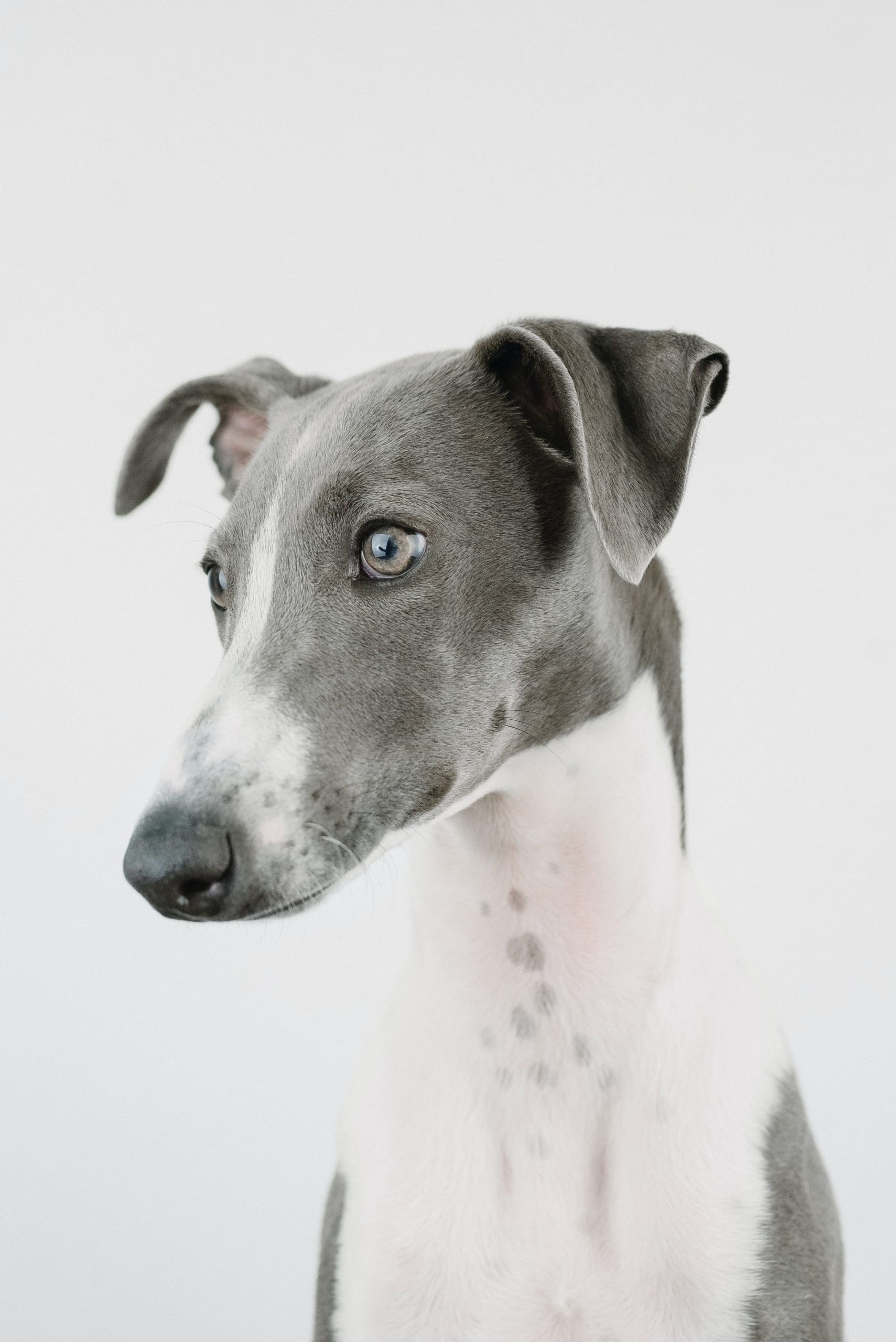
Why is my dog so clingy all of a sudden?
Post Date:
December 5, 2025
(Date Last Modified: February 5, 2026)
If your dog has suddenly become a shadow that follows you from room to room, it’s understandable to feel worried, exhausted, or even frustrated. Sudden clinginess changes the household dynamic and can signal something about your dog’s emotional state, health, or environment. The goal here is practical: help you spot likely causes, rule out urgent medical problems, and give clear steps you can take today and over the coming weeks to help your dog feel safer and more independent.
Why your dog’s sudden clinginess matters — for both of you
When a dog that used to relax alone starts demanding constant company, it affects more than convenience. Owners often report interrupted sleep, difficulty leaving the house, and rising stress at home—stress that dogs can pick up on and respond to in turn. I typically see that this pattern can erode routines, make training harder, and strain the bond rather than strengthen it. For dogs, persistent clinginess may reflect anxiety, pain, confusion, or a learned strategy that gets results; for people, it can limit work, social life, and the calm household many of us want. If clinginess appears suddenly or is paired with other worrying signs, it’s a good prompt to seek veterinary or behavior support rather than hope it resolves on its own.
Likely causes, summarized at a glance
There are a few common explanations that frequently come up when owners ask why their dog is clingy all of a sudden. The short list below covers the most probable causes to consider first because they are common and actionable.
- Separation anxiety or fear-based attachment: the dog is worried about being left alone and seeks proximity to reduce that fear.
- Pain, illness, or age-related cognitive change: discomfort or confusion may make a dog seek reassurance and help from you.
- Recent routine, environment, or caregiver changes: moves, new people or pets, and shifting schedules can destabilize an otherwise confident dog.
- Learned attention-seeking: if clingy behavior has been rewarded (pets, treats, or even scolding), the dog may have learned it works to get your attention.
What drives clingy behavior: emotional, medical and environmental triggers
At a basic level, clinginess is communication. Dogs are social animals with attachment systems that likely evolved to keep them near reliable caregivers. That attachment can help a dog feel safer in uncertain situations. Biologically, stress increases hormones such as cortisol, while close physical contact may increase calming hormones like oxytocin for both dog and human—so staying near you can actually reduce their stress in the short term. When a dog perceives a threat, even something subtle like unfamiliar noises, those threat-detection systems push the dog toward a safe haven: you.
Behaviorally, clinginess can also be reinforced. If your dog whines and you respond by picking them up, giving treats, or otherwise providing attention, the dog learns that proximity produces a desirable outcome. Over time, that reinforcement chain becomes self-sustaining: the dog seeks you more because it consistently worked before. Conversely, if a dog is in pain or has cognitive decline, their ability to tolerate alone time may fall and seeking proximity becomes a coping strategy rather than simple attention-seeking. Understanding whether the driver is emotional, medical, or learned makes different interventions more likely to work.
When clinginess most often appears — life stages and common triggers
Clinginess often follows a change. I commonly see dogs become more attached after moving to a new home, returning from boarding or a shelter, when a primary caregiver is away or replaced, or when a new baby or pet arrives. Dogs may also show increased clinginess after an illness or injury—sometimes the change is subtle and only becomes clear when the dog seeks reassurance more frequently. Seasonal stressors like fireworks or storms, and household changes such as someone working from home or a change in daily schedule can also trigger clingy behavior. Timing matters because a recent change gives you the best clue about whether the behavior is situational and likely to settle with management, or something deeper that needs evaluation.
Red flags: warning signs that require veterinary attention
Not all clinginess is urgent, but some signs should prompt immediate veterinary attention. If the change in behavior is sudden and accompanied by a loss of appetite, repeated vomiting, difficulty walking, or obvious signs of pain (limping, whining when touched), those are red flags. Marked lethargy, changes in elimination such as sudden incontinence, new aggression, or severe, escalating separation reactions that include destructive behavior or self-harm also need prompt intervention. I advise calling your veterinarian right away if you see any of these signs; they may suggest an underlying medical condition or a severe behavioral state that benefits from professional treatment sooner rather than later.
Practical first steps you can take today to calm your dog
Start by ruling out medical causes: schedule a vet check to make sure pain, infection, or cognitive decline aren’t driving the change. While you’re waiting for the appointment, the following practical steps can help reduce stress for both of you. They are simple, evidence-informed actions I recommend to clients because they change what the dog experiences and gradually shift expectations.
- Keep a predictable routine. Feed, walk, and rest your dog at roughly the same times each day so they can anticipate what comes next.
- Use calm body language and low-key greetings. Overly dramatic attention on arrival or departure can heighten anxiety; brief, soothing interactions help signal safety.
- Increase physical exercise and mental enrichment. A tired dog is generally less anxious; puzzle feeders, sniffing games, and training sessions reduce stress and provide constructive focus.
- Practice short, structured departures. Start with very brief absences and return calmly; gradually extend alone time while rewarding calm behavior rather than frantic attention-seeking.
Training techniques and home routines to reduce clinginess
For persistent clinginess, a long-term behavior plan works best. Desensitization and counterconditioning around departures is a cornerstone: you teach the dog that cues tied to leaving (putting on shoes, picking up keys) predict good things in your absence, not abandonment. I advise pairing those cues with high-value treats or a food puzzle only given when you leave so the dog learns to associate your departures with positive experiences.
Teaching an independent resting place—such as a mat or crate—can be very effective when done respectfully. Start by making that spot rewarding while you are nearby, then reward the dog for calm settling with increasing distance between you and the mat. Reward quiet, relaxed behavior rather than rewarding attention-demanding whining or pawing. Over time, shape longer periods of alone time in small increments. Consistency and gradual progression are essential; abrupt, severe separations or punishment often make anxiety worse.
Helpful gear and calming tools worth trying
There are supportive tools that may ease the transition while you work on behavior change. Interactive feeders and puzzle toys help redirect attention during departures and give dogs a constructive focus. Anxiety wraps can provide mild pressure that some dogs find soothing; pheromone diffusers (dog-appeasing pheromone) may help in susceptible individuals. For owners who need to monitor progress, pet cameras and treat-dispensing devices allow you to check behavior remotely and reward calm behavior without being physically present. Always check supplements or medications with your veterinarian before use; some over-the-counter products may be helpful, but they’re safest when part of a broader plan recommended by a vet or veterinary behaviorist.
If improvement is slow or behavior worsens: next steps and when to seek help
If your dog’s clinginess does not improve with the initial steps, or if the behavior is severe, seek professional help. A veterinarian can assess for medical issues and discuss whether medication might help your dog feel less reactive while you do behavior work. A certified applied animal behaviorist or a diplomate of the American College of Veterinary Behaviorists can design a tailored behavior modification and, when appropriate, a medication plan. I typically recommend professional guidance when departures trigger panic, when destructive or self-harming behavior appears, or when owners are unable to safely and consistently implement training steps on their own.
Keep realistic expectations: behavior change usually takes weeks to months, not days. Celebrate small gains—a longer period of calm on the mat, fewer following episodes during home chores—and keep building on those successes. With consistent routines, gradual training, vet checks for medical contributors, and, when needed, professional support, many dogs can regain comfortable independence and owners can restore household calm.
Sources, studies and further reading
- Merck Veterinary Manual: “Separation Anxiety in Dogs” — MerckVetManual.com; practical clinical overview and management recommendations.
- American College of Veterinary Behaviorists (ACVB): “Position Statement on Separation Anxiety in Dogs” — ACVB.org (position documents outlining diagnosis and treatment approaches).
- American Veterinary Medical Association (AVMA): “Separation anxiety in dogs” resource page — AVMA.org; guidance for owners and veterinarians on assessment and care.
- Topál J., Miklósi Á., Csányi V., Dóka A. (1998). “Attachment behavior in dogs (Canis familiaris): A new application of Ainsworth’s Strange Situation Test.” Journal article on canine attachment patterns.
- Overall K.L. (2013). Manual of Clinical Behavioral Medicine for Dogs and Cats. Elsevier. A clinical reference used by veterinarians and behaviorists for assessment and treatment planning.
