Why does my dog stare at me?
Post Date:
October 25, 2023
(Date Last Modified: November 13, 2025)
Dogs use their eyes to communicate in many ways, and the meaning of a stare depends on context, body language, and the relationship between the dog and the person. Observing the whole dog and the situation helps determine whether a stare is curiosity, a request, stress, or something medical.
Canine Eye Contact: Basics and Meaning
Direct eye contact in dogs serves biological and social functions, including establishing attention, negotiating social status, and coordinating action with humans and other animals. Dogs’ gaze behavior differs from wolves and humans: domestic dogs are more likely to engage in mutual gaze with humans, which supports cooperative interactions and bonding. In observational studies, dogs commonly hold direct eye contact for about 1 to 10 seconds before breaking gaze or softening it, depending on the social context [1].
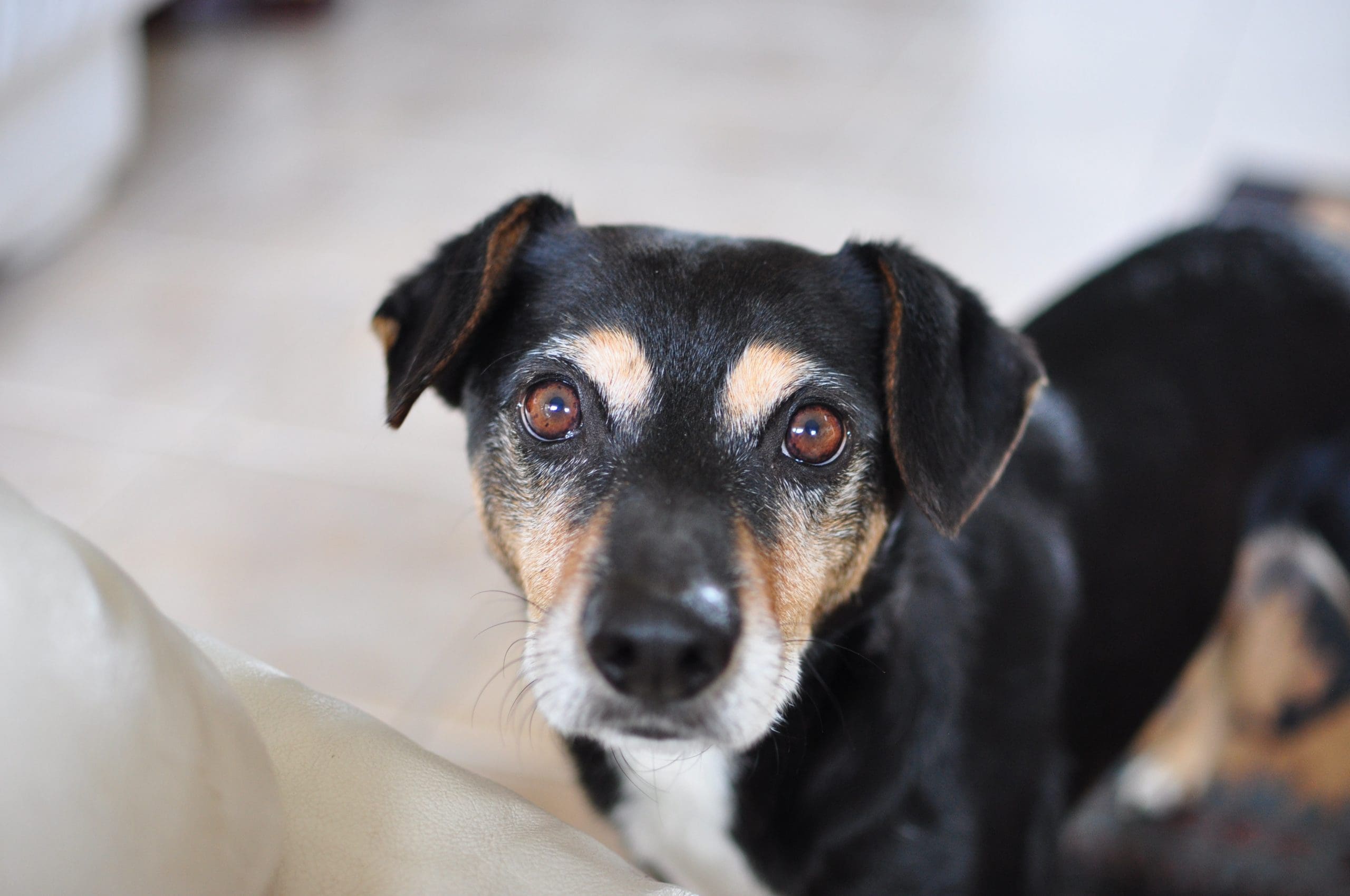
Soft eye contact (relaxed eyelids, slow blinking, or brief glances) generally signals friendliness or relaxed attention, whereas hard, fixed staring with tense facial muscles and a rigid body can communicate a stronger intent such as expectation, dominance, or a warning. Distinguishing normal curiosity from concerning staring requires checking accompanying cues: posture, ear and tail position, lip tension, and whether the stare is paired with approach or avoidance behaviors.
Attention-Seeking and Requests
Many dogs learn that staring reliably gets human attention for walks, play, door openings, or food, and that pattern can escalate if owners respond inconsistently. For training and shaping attention-related behaviors, immediate reinforcement is most effective; rewards delivered within 1 to 2 seconds of the desired behavior strengthen that behavior best [2].
Common triggers for attention-seeking stares include visible cues (leash, food packaging, shoes), schedules (pre-walk or pre-meal), and boredom. Dogs that stare to request action often combine eye contact with forward-leaning posture, raised tail, pawing, or vocalizations. If owners want to reduce attention-motivated staring, consistent responses help: ignore the stare until the dog looks away, then reward an alternative behavior (sit, lie down) immediately and predictably.
Social Bonding and Affection
Mutual gaze between dogs and their owners is part of the bonding repertoire and is linked to hormonal changes that reinforce attachment. Research shows that sustained mutual gaze can trigger measurable increases in oxytocin in both dogs and people during affiliative interactions, supporting attachment similar to parent–infant bonding [1].
Affectionate stares are usually soft, paired with relaxed posture, leaning into the person, or gentle body contact. By contrast, a stare that is demanding rather than affectionate will often be accompanied by persistence and signs of frustration when the request is not granted.
Reading Human Cues and Problem-Solving
Dogs are skilled at reading human communicative signals and will use gaze to monitor people for cues when solving problems. In controlled experiments, dogs followed human referential gaze or pointing gestures in a large majority of trials, often choosing the cued location in over 70 percent of trials [1].
When faced with uncertainty (closed doors, ambiguous locations of food, or unclear commands), dogs commonly look back to a human to seek information, reorienting attention between the object and the person. This “referential gaze” functions as a request for help or clarification in cooperative tasks, training, and daily navigation of the human environment.
Hunger, Routine, and Anticipatory Behavior
Dogs living with predictable schedules learn to anticipate routine events and may begin pre-meal behaviors before food appears; anticipatory behaviors commonly start anywhere from about 10 to 30 minutes before the scheduled meal in dogs that are tightly entrained to feeding times [5].
Meal-related staring is often linked to environmental cues (the sound of a can opener, cupboard noise), time of day, or owner’s preparatory actions. To reduce persistent food-related staring, owners can use strategies such as feeding on a variable schedule, teaching an alternative stationary behavior (sit or place) that is rewarded, and avoiding reinforcing stare-by-giving food directly from the human hand.
Resource Guarding and Protective Stares
Staring can be an early sign of resource guarding when it accompanies other warning signals; owners should treat guarding as a behavior that can escalate if not managed carefully. In the United States, dog bite incidents are common—estimates report roughly 4.5 million people are bitten by dogs each year—so risk assessment and caution are important when guarding and aggression appear [3].
- Common guarding signals include stiff body posture, fixed stare, raised hackles, growling, lip lifting, and snapping.
- Owners should avoid punishing guarding displays; instead, management (securing high-value items, preventing access) and referral to a qualified behavior professional are recommended.
When guarding escalates toward snapping or biting, safety measures—such as separating animals, removing high-value triggers, and consulting a certified behaviorist or veterinary behaviorist—are essential steps.
Anxiety, Stress, and Reassurance-Seeking
Dogs may stare when anxious or seeking reassurance, and that stare is usually paired with other stress indicators. Veterinary and behavior guidance lists common stress signals such as yawning, lip licking, panting, trembling, or avoidance; observing three or more concurrent stress signs increases concern that the dog is uncomfortable or anxious [6].
Calming stares intended to seek comfort tend to be soft and are often accompanied by approach with low posture, tucked tail if fearful, or leaning into the person if seeking contact. If staring is part of chronic anxiety or separation-related behavior, environmental enrichment, predictable routines, desensitization, and professional behavior intervention are common strategies.
Learned and Reinforced Behaviors
Owners unintentionally reinforce staring when any attention (scolding, petting, giving a treat) follows the gaze; inconsistent reinforcement strengthens the behavior because the dog learns that sometimes staring works. Extinction involves withholding the attention or outcome the dog seeks until the dog stops staring, then rewarding an alternative behavior immediately to shift the pattern; the reward needs to follow within 1 to 2 seconds to be effective [2].
Consistent training techniques—clear cues for desired behaviors, scheduled reinforcement, and predictable responses to requests—reshape learned patterns over days to weeks depending on the dog’s history and reinforcement density.
Medical, Sensory, and Cognitive Causes
Changes in staring patterns can reflect medical, sensory, or cognitive problems rather than intentional communication; signs that suggest medical causes include sudden changes in gaze behavior, disorientation, head pressing, or visible eye abnormalities. Estimates of cognitive dysfunction prevalence vary by age, with some studies and clinical reviews reporting low rates in middle age and higher prevalence in geriatric populations—prevalence estimates reported in reviews range widely depending on age group and criteria [4].
Vision loss may cause dogs to stare more often as they attempt to fixate on limited visual cues, and pain or neurologic disease can alter facial expressions and staring. A veterinary evaluation should include a full physical and neurological exam, baseline bloodwork, and ophthalmic assessment; treatment depends on diagnosis and may include medical therapy, pain management, or supportive care.
Breed, Age, and Personality Factors
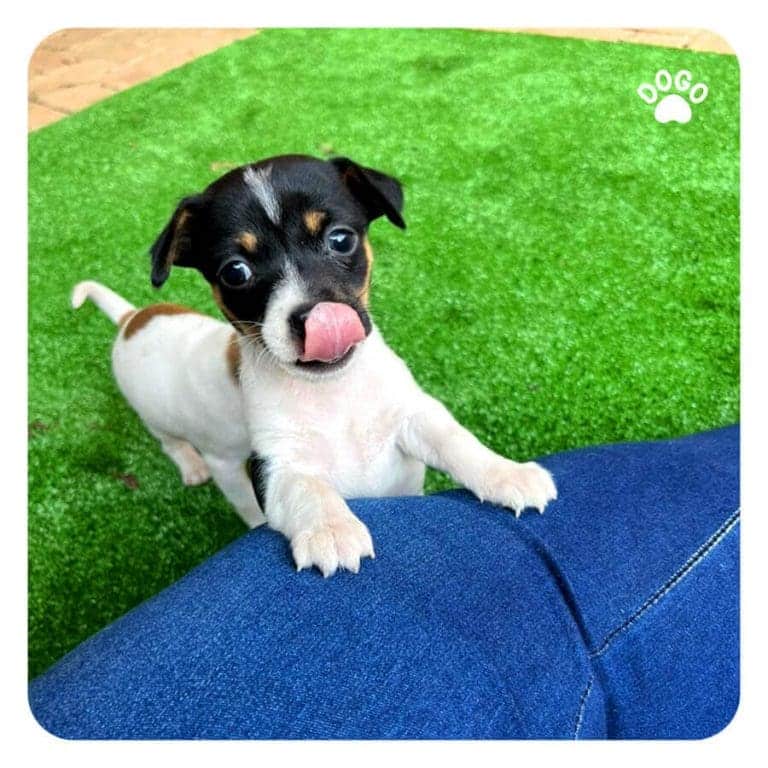
Certain breeds display characteristic gaze patterns tied to their working roles; for example, herding breeds commonly use an intense “eye” to control stock, while companion breeds may favor softer gaze to solicit attention. Puppies, adults, and seniors show different patterns: puppies use gaze to elicit care, adults use gaze flexibly for requests and coordination, and seniors may stare more due to cognitive changes or sensory decline. Herding-type “eying” often manifests as steady attention lasting several seconds (commonly 3–10 seconds) during task-focused activity [1].
| Category | Typical Stare Quality | Likely Meaning |
|---|---|---|
| Herding breeds | Intense, fixed | Task focus or control (“eying”) |
| Companion breeds | Soft, frequent | Affection or request for attention |
| Puppies | Wide-eyed, variable | Soliciting care, exploring social cues |
| Senior dogs | Prolonged or vacant | Possible sensory loss or cognitive change |