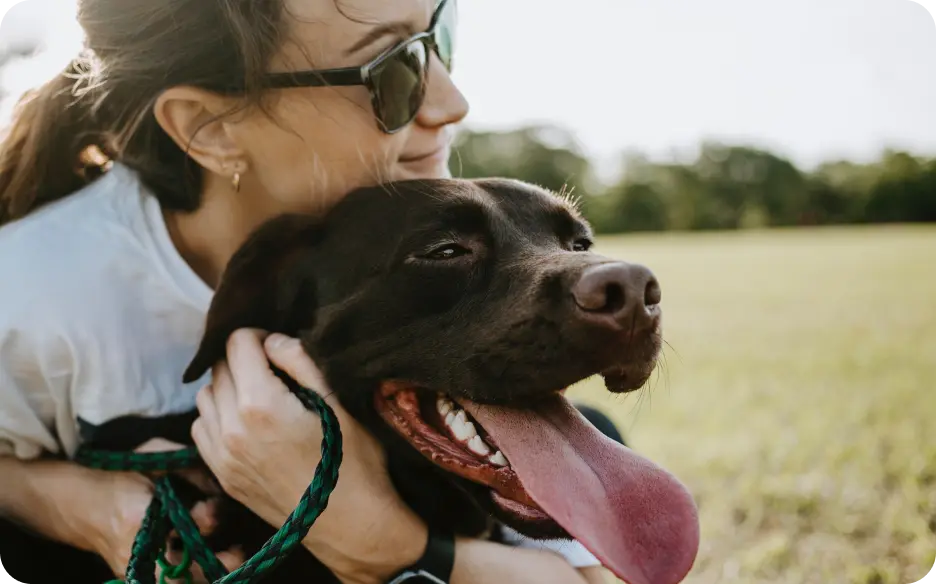
If you’ve ever wondered why your dog licks you so much, you’re not alone. Many dog owners experience this affectionate behavior daily. Whether it’s a gentle lick on your hand or a full-on face bath, it can leave you pondering the reasons behind it. Understanding why dogs lick can help you appreciate their unique communication style and connection with you.
Affectionate Expression
Licking is a natural behavior for dogs and serves multiple purposes. One of the primary reasons dogs lick their owners is to express affection. Just like humans show love through hugs or kisses, dogs often use licking to demonstrate their bond. If your dog approaches you and starts licking your face or hands, it’s likely their way of saying, “I love you.”
Social Bonding
Beyond showing affection, licking can also be a form of social bonding. In the wild, dogs lick each other to strengthen relationships within their pack. When your dog licks you, they may be treating you as part of their pack, reinforcing the social connection you share. This behavior is especially common among puppies, who lick their mothers to solicit care and attention. When your puppy licks you, they may be seeking comfort or reassurance, much like they would from their mother.
Attention-Seeking Behavior
Another reason for excessive licking is the desire for attention. Dogs quickly learn that certain behaviors can elicit a reaction from their owners. If licking results in laughter, petting, or even scolding, your dog may continue the behavior to get more attention from you. This can become a habit, especially if your dog is naturally playful. If your dog licks you and you respond positively, they may see it as a game, reinforcing the behavior over time.
Coping Mechanism for Anxiety
Some dogs lick due to anxiety or stress. Licking can serve as a coping mechanism for dogs dealing with nervousness. If your dog licks you during stressful situations, it may be their way of seeking comfort. In these cases, the licking provides them with a sense of security. If you notice that your dog licks you more during specific situations, such as thunderstorms or when they sense tension in your household, it may be their method of managing their feelings.
Exploratory Behavior
It’s also worth considering that your dog may be licking you to explore their environment. Dogs use their mouths to investigate the world around them, much like humans use their hands. When they lick you, they might be trying to learn more about you or the objects around you. This kind of licking is usually more exploratory and less emotional, but it is still a normal behavior for a curious dog.
Health Considerations
Health issues can also play a role in licking behavior. If your dog starts licking you more than usual without any clear reason, it could signal an underlying medical issue. Conditions such as allergies, skin irritations, or dental problems can cause discomfort, prompting your dog to seek relief through licking. If you notice excessive licking accompanied by other behavioral changes or signs of distress, it is wise to consult with a veterinarian.
Boredom and Lack of Stimulation
In addition to licking you, dogs often lick other surfaces, including furniture or floors. This behavior can stem from boredom or a lack of stimulation. Dogs need mental and physical exercise to stay happy and healthy. If your dog is left alone for long periods or does not receive sufficient playtime, they may resort to licking as a way to entertain themselves. Providing engaging toys and regular exercise can help reduce boredom-related licking.
Instinctual Behaviors
The question of why your dog licks can also be linked to instinctual behaviors. Puppies lick their mothers to stimulate nursing, and this instinct doesn’t completely fade as they grow. This behavior may carry over into adulthood, where licking serves as a reminder of the nurturing they received. It’s a comforting action that connects them to a time when they felt safe and cared for.
Managing Excessive Licking
If the licking becomes bothersome, gentle redirection can help. Offering your dog a toy or engaging them in play can provide an outlet for their energy without the need for licking. Positive reinforcement can also be effective; when your dog licks you less, reward them with praise or treats, reinforcing the desired behavior.
Observing Your Dog’s Behavior
Every dog is different. While some may lick as a sign of love or excitement, others might do it out of anxiety or curiosity. Observing your dog’s body language and the context in which they lick can give you valuable insights into their motivations. This understanding can strengthen your bond and enhance your relationship.
Emotional Support
Consider the context of your dog’s licking behavior. If your dog tends to lick you when you’re feeling down or upset, they may be trying to comfort you. Dogs are incredibly intuitive and often pick up on their owners’ emotional states. If they sense you need support, licking may be their way of providing it, particularly in breeds known for their empathetic nature.
Understanding the reasons behind your dog’s licking behavior reveals a fascinating aspect of their communication. Responding with empathy allows for a deeper connection. Recognizing that licking is a natural part of dog behavior helps you appreciate the unique bond you share with your pet. If excessive licking interferes with daily life, consulting with a professional dog trainer or behaviorist can provide tailored strategies to manage the behavior while still supporting your dog’s emotional needs.