

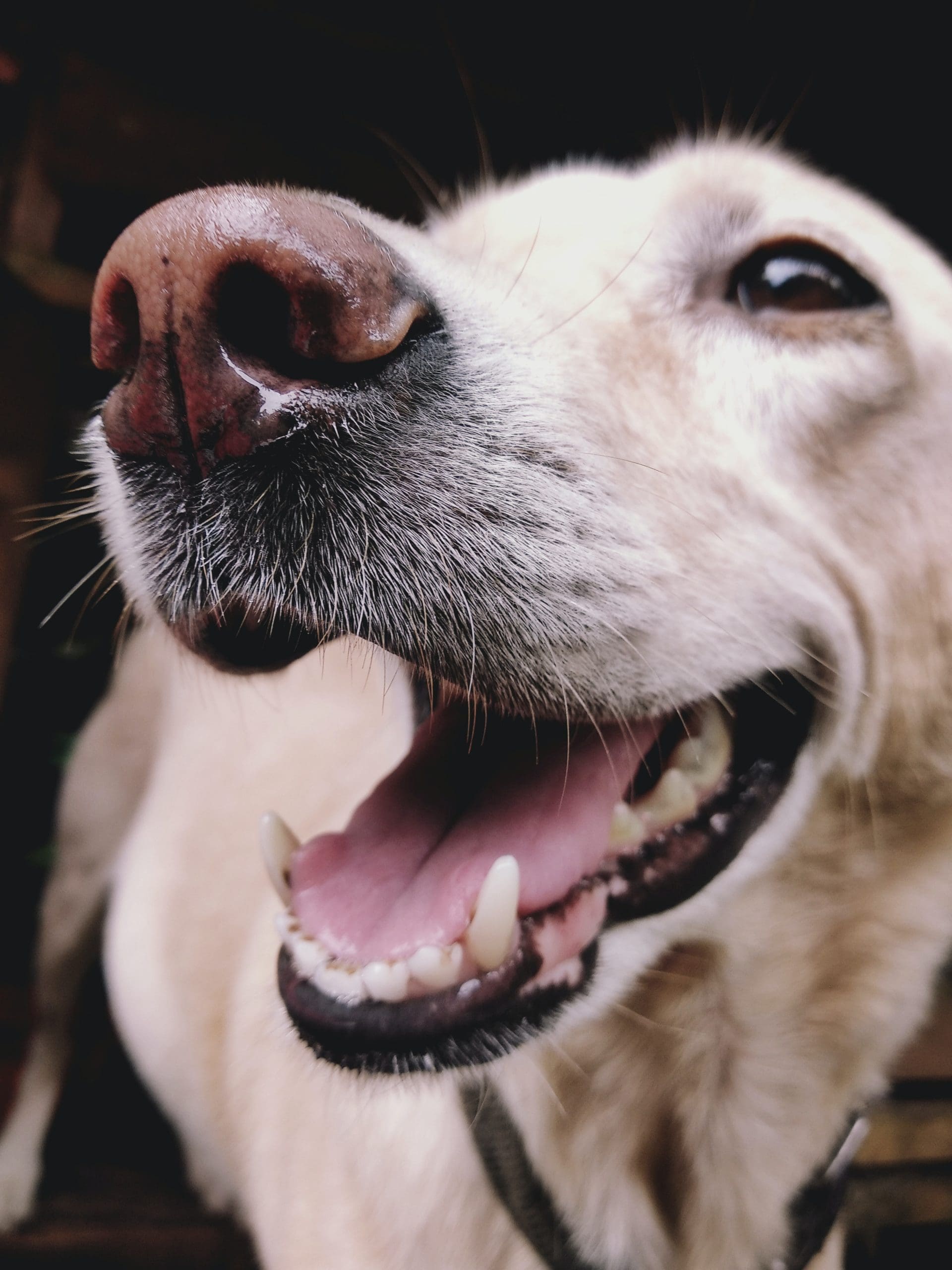
Why does my dog cry when i leave?
Post Date:
December 31, 2025
(Date Last Modified: February 5, 2026)
When your dog cries as you walk to the door, it can feel personal and urgent: you worry about their welfare, wonder what you did wrong, and sometimes change plans to avoid leaving. Understanding what that crying may mean helps you make clear, practical choices for the dog and for your household routine.
This is personal: how separation affects your bond with your dog
Owners often see crying as a direct expression of distress, and that perception drives strong, immediate responses. I typically see it in three household scenarios: a new puppy left for the first time, a recently adopted adult adjusting to a new home, and a previously settled dog showing new signs after a change (work schedule, new baby, or a move).
The emotional impact reaches both sides. Owners feel guilt, frustration, and sometimes helplessness; dogs may be experiencing fear, boredom, or unmet social needs. Left unaddressed, the situation can make daily life harder—neighbors complain, furniture is damaged, and the dog’s welfare declines.
Solving or reducing crying brings practical benefits: a calmer home, more reliable house-training, and a dog that copes better with normal separations. The people who most need this information are new owners, recent adopters, and anyone whose dog shows distress during departures or small separations.
What actually causes dogs to cry when you leave — the short version
When a dog cries as you leave, a few causes are common and worth prioritizing. Below are the likely possibilities to consider quickly so you can choose the next step.
- Separation-related distress is the most common behavioral cause; the dog is upset by being apart from a caregiver.
- Fear or stress tied to specific cues (the sound of keys, a coat) or a sudden change in routine can trigger vocalizing.
- Attention-seeking or a learned response: if crying reliably brings you back, the behavior can be reinforced.
- Medical pain or discomfort can make a dog more vocal when routines change or when they feel heightened vulnerability alone.
Decoding the cues: communication, emotion and the biology behind the crying
Vocalizing is one of the primary ways dogs communicate needs and states. Crying may be a call for attention, an expression of distress, or an attempt to recruit help from a familiar person. From your dog’s perspective it’s a logical social signal.
Attachment systems similar to what we see in human infants are likely linked to how some dogs respond to separation. Dogs form selective bonds and may show reunion-seeking and protest behaviors when those bonds are temporarily broken. I often describe this as a normal attachment response that becomes a problem when it is intense or frequent enough to interfere with daily life.
Physiologically, crying in stressful situations is usually associated with increased autonomic arousal—rapid breathing, pacing—and elevations in stress hormones such as cortisol are often reported in studies of separation. These biological changes may suggest genuine discomfort rather than simple misbehavior.
Learning mechanisms matter: if your dog discovers that crying brings you back, that behavior is reinforced. Conversely, controlled exposure that removes the reward for crying can weaken the response over time. Both emotional state and reinforcement history typically interact to shape the behavior you observe at the door.
Everyday triggers: situations most likely to provoke whines and sobbing
Some circumstances reliably make crying more likely. Departure cues such as picking up keys, putting on shoes, or heading to a particular room can become conditioned signals that predict separation and trigger anxiety.
The length and frequency of time alone matter. Dogs are more likely to cry during longer absences or after sudden increases in alone time. A dog that has always had a person around may react strongly when left alone even briefly.
Household changes—new inhabitants, a different schedule, recent trauma (thunderstorms, veterinary visits, moving), or the loss of a companion—can all increase the risk of separation distress. Puppies and adolescents are still learning coping skills, while older dogs may show new crying if cognitive decline or pain develops.
Breed tendencies and temperament are part of the picture. Some dogs bred for close human work or with strong attachment tendencies may be more prone to vocalizing during separation, but individual personality is often the strongest predictor.
When to worry: red flags that point to medical or behavioral problems
Not all crying is equal. Seek prompt evaluation if the crying escalates in intensity, becomes longer in duration, or begins suddenly in a dog that was previously comfortable being alone.
- Destructive behavior (chewing walls, doors), self-injury (paw chewing, flank biting), or indoor elimination associated with departures suggests severe distress and raises safety concerns.
- Loss of appetite, marked lethargy, limping, or other signs that suggest pain mean you should see a veterinarian to rule out medical causes.
- Older dogs developing new separation-related vocalizing may be experiencing cognitive changes; a medical review can help differentiate behavioral from health causes.
Immediate steps you can take the next time your dog cries during departures
There are practical, short-term steps to use the next time you leave that reduce distress without confusing the dog. These steps are meant to be simple and repeatable so you can stabilize the situation quickly.
- Avoid punishment and dramatic exits. Punishing a crying dog usually increases fear and makes the problem harder to fix.
- Keep departures and returns low-key. Ignore exuberant greeting behavior for a minute, then calmly praise or engage when the dog is quiet.
- Practice short, randomized absences. Walk out for 30 seconds, come back, then 2 minutes later leave again. Randomization helps break the link between specific pre-departure cues and the entire separation response.
- Provide a high-value, durable food puzzle or a long-lasting chew you only give at departures. This can redirect attention and build a positive association with being alone.
Training and environment changes that reduce anxiety for the long haul
Longer-term change comes from a structured combination of desensitization, counterconditioning, and skill-building so the dog learns that being alone is tolerable and even rewarding.
Graduated desensitization starts with very short absences the dog can tolerate—seconds for a very anxious dog—and increases time away slowly. The core principle is to keep steps small enough that the dog does not show clear distress before increasing the difficulty.
Counterconditioning pairs departures with something the dog loves. For example, a stuffed Kong or a hidden scatter of kibble can be available only when you leave; over time the departure itself begins to predict something good rather than something scary.
Create a predictable safe zone. Some dogs benefit from a comfortable area with familiar bedding, toys, and limited access to the entire house; others accept a properly introduced crate as a calming den. Introduce any confinement slowly, using food and play so the space is associated with safety rather than punishment.
Building alone-time tolerance should be incremental. Track the dog’s behavior during practice absences (video is useful) and only increase duration when the dog remains calm for several repetitions at the current level.
Daily physical exercise and mental enrichment reduce baseline arousal and help dogs cope better with separation. Short scent games, training sessions, and problem-solving toys can be more effective than one long walk when the goal is reducing anxious vocalizing over the day.
Tools and tech that help: proven gear to comfort a lonely dog
Tools can support training but should not replace it. Interactive puzzle feeders and long-lasting chews provide a distraction and positive association during departures; they are most effective when combined with desensitization work.
Pet cameras with two-way audio let you monitor behavior and, in some cases, speak to the dog. Use them cautiously: in some dogs, hearing your voice without being present may increase arousal rather than calm them. Trial them briefly to see how your dog responds.
Calming pheromone diffusers and anxiety wraps (for example, wraps that apply gentle pressure) may reduce general arousal for some dogs but tend to have modest effects alone. Medication or supplements may be appropriate for moderate to severe cases; options such as SSRIs or short-acting anti-anxiety drugs are sometimes recommended but should only be started and supervised by a veterinarian. I typically recommend non-medical strategies first for mild cases and consider veterinary intervention when the dog’s distress is severe or not improving with training.
Research, expert guidance and recommended reading
- Merck Veterinary Manual: Separation Anxiety in Dogs and Cats — MerckVetManual.com: “Separation Anxiety.”
- American Veterinary Medical Association (AVMA): “Separation anxiety in dogs — what to know.”
- American College of Veterinary Behaviorists (ACVB): “Find a Diplomate” and position resources on separation-related behavior.
- International Association of Animal Behavior Consultants (IAABC): Articles and case studies on separation anxiety management.
- Overall, K. L. Manual of Clinical Behavioral Medicine for Dogs and Cats. 2013. — a clinical reference for behaviorists and veterinarians.
