
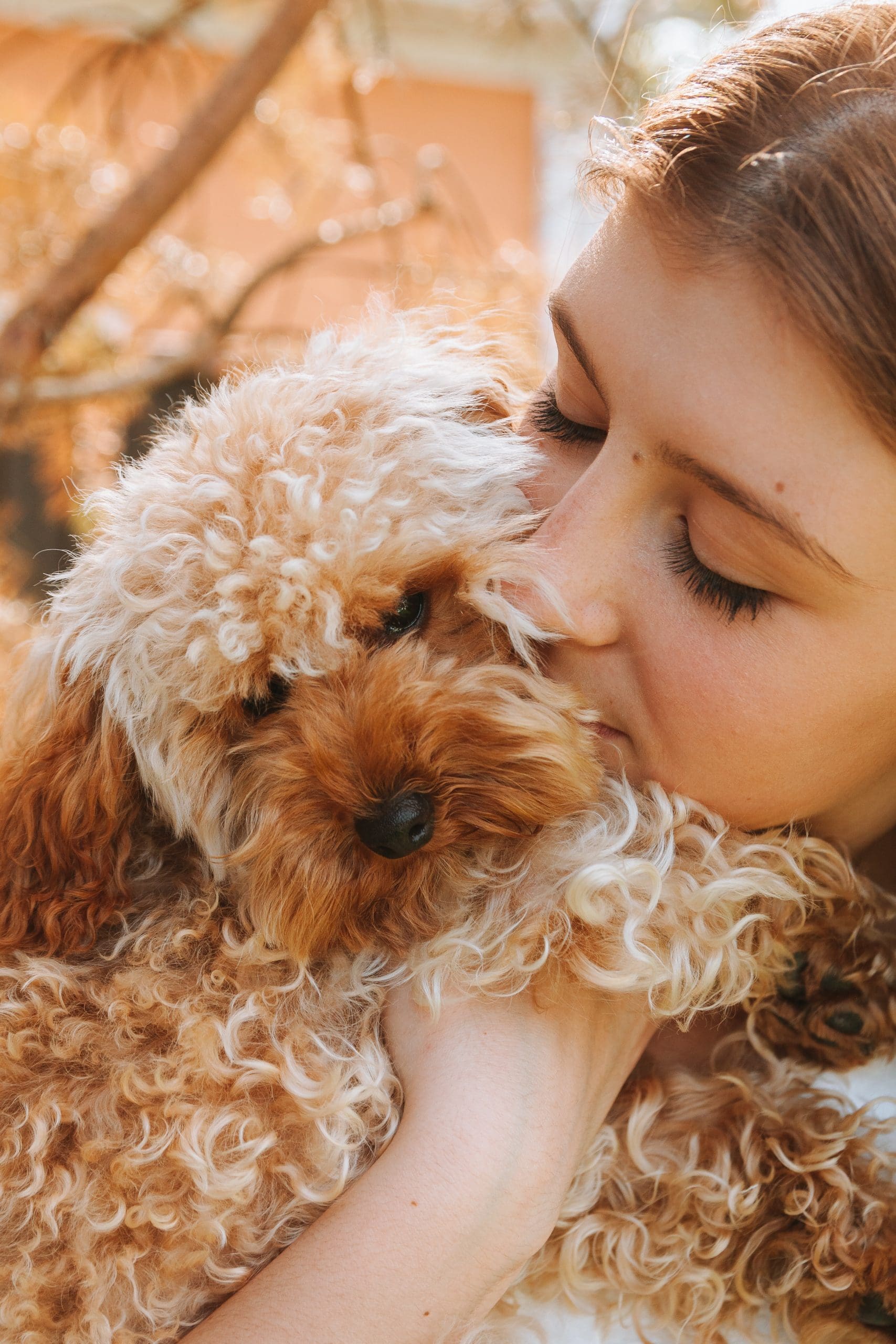
Why do dogs smell each others butts?
Post Date:
January 15, 2026
(Date Last Modified: February 5, 2026)
Dogs greeting each other by sniffing rear ends is a behavior that often makes owners laugh, cringe, or ask “why?” beyond the surface oddity there are reliable lessons about how dogs communicate, form social bonds, and monitor health. Paying attention to when and how dogs do this can help you read their social interactions, spot possible medical issues early, and manage introductions so everyone stays safe and comfortable.
Why that butt-sniffing behavior actually matters to a dog’s social life
When dogs meet, the rear-end investigation acts like an exchange of business cards: a rapid delivery of identity, recent diet, reproductive condition, and even stress level. This behavior supports social bonding and establishes who is who in a group. You’ll notice it most at dog parks, during leash encounters, and when one dog returns after a trip — those everyday scenarios where owners are surprised at how much information a quick sniff may convey. In clinic and parks I typically see this ritual used both as a friendly greeting and a way for dogs to check the status of others in their environment.
Short answer — they’re using scent to gather identity, health and mood cues
At a glance: dogs sniff each other’s rear ends because the anal area contains scent-producing tissues and glands that release a concentrated chemical signal. The smells carry pheromones and metabolic byproducts that are rich in individual-specific information. Sniffing is a normal social investigation and greeting behavior that allows dogs to quickly gather identity and state information in a way that is efficient for their highly developed noses.
Inside the canine nose: how scent communication decodes identity, sex and status
The anatomy behind this starts with the anal sacs (anal glands) tucked just inside the anus and nearby scent glands in the skin. These structures secrete fluids that contain volatile and non-volatile molecules. Dogs also sample microbes and metabolites around the anus; those bacterial communities may shape an individual scent profile. Together the secretions form a chemical signature that is relatively stable and highly informative.
Canine olfactory systems are specialized for decoding complex scent mixtures. A dog’s nose may detect components that humans cannot even imagine, and their brain is wired to associate odors with memory, emotions, and social categories. Dogs likely use both the main olfactory system and accessory pathways to process pheromone-like cues, which is why rear-end scent carries signals about sex, reproductive cycle, and recent dietary or health changes.
Behaviorally, sniffing performs identification (who is this?), status assessment (is this animal dominant, submissive, or neutral?), and reproductive signaling (is the dog in heat?). Dogs can recognize individuals by scent over long periods, so a fast sniff can trigger a stored memory of past interactions. In groups this supports stable social relationships and reduces the need for prolonged physical conflict.
When dogs choose to sniff rears: contexts, cues and etiquette
Certain situations make this behavior especially likely. First-time meetings and reunions are core examples: dogs use quick, purposeful sniffs to confirm identity. During group greetings at dog parks or multi-dog households, rear-end checking may be a routine part of assessing the social landscape. I also see more sniffing when dogs are in novel environments or after a partner has been away, because new information matters more in unfamiliar settings.
Biological factors influence frequency too. Age and sex make a difference — intact males and females may participate in more investigative behavior tied to reproductive status. A female in estrus may attract more attention. Changes in diet, recent veterinary procedures, or even topical medications can alter scent and trigger extra sniffing. Emotional context matters: dogs who are excited, anxious, or testing dominance may engage in longer or more insistent sniffing than calm dogs.
Health warning signs: risks and red flags revealed by sniffing
Most butt-sniffing is harmless, but it can reveal or coincide with medical issues. A very foul or unusual odor coming from a dog’s rear may suggest anal sac impaction, infection, or skin problems. Signs that merit concern include scooting, frequent licking of the area, visible swelling or redness, flinching when touched, or blood in the stool. If a dog reacts aggressively or with extreme fear immediately after being sniffed, that change in behavior could indicate pain or a recent medical event that makes the dog hypersensitive.
Other red flags include sudden changes in appetite, lethargy, vomiting, or persistent diarrhea alongside unusual smells from the rear. Parasites can change stool smell and consistency, and systemic illness sometimes alters body odor. Repeated aggressive encounters during sniffing — growling, snapping, or biting — suggest either social tension that needs behavior work or an underlying source of discomfort that should be evaluated medically.
How owners should respond: calm, safe steps to take
The first and simplest step is careful observation. Note the context: where did sniffing occur, how long did it last, and what were the immediate reactions? If unsure, take a short video to capture body language and timing — that can be very helpful for a veterinarian or behaviorist. Gentle redirection is usually effective: call the dog to you, offer a treat, or use a trained cue to interrupt the interaction before it escalates.
Basic hygiene after a messy or close encounter is practical: dog-safe grooming wipes can clean a dog who has come away smelling particularly strong. Don’t punish dogs for natural investigation; instead reward calm, polite greetings. If you notice the health red flags above — foul odor, scooting, swelling, persistent pain, changes in stool — make an appointment with your veterinarian. In cases where aggressive reactions or chronic anxiety accompany sniffing, consult a certified veterinary behaviorist or an applied animal behaviorist who can assess both medical and behavioral dimensions.
Training strategies to manage greeting behavior — redirecting or reinforcing appropriately
Management aims to keep sniffing safe and to teach alternatives when necessary. Start with reliable attention cues and a solid recall so you can interrupt and redirect politely. Controlled, supervised socialization helps dogs learn appropriate lengths of inspection without escalating. Leash handling and body positioning (keeping a short, loose lead and standing between dogs if needed) reduce the chance of rapid face-to-face escalation when a sniff turns tense. Counterconditioning can change a dog’s emotional response to being sniffed or to sniffing others, shifting from anxious or reactive to calm and expectant of reward.
- Teach a strong attention cue and “leave it” by rewarding the dog for looking to you when prompted; practice this around mildly distracting stimuli before introducing other dogs.
- Use supervised, neutral-ground introductions: both dogs on a loose leash, parallel walks to let scent exchange without direct face-to-face pressure, and brief, monitored approaches for rear-end checks.
- If a dog over-engages, calmly shorten the interaction with a cue and reward for moving away; if a dog under-engages due to fear, use gradual desensitization paired with high-value treats to rebuild confidence.
Helpful gear and tools for safer, smoother greetings
Equip yourself with a few practical items that make management easier: a front-clip or no-pull harness gives better steering control without choking the dog; a treat pouch keeps rewards handy for immediate reinforcement; dog-safe grooming wipes are useful for quick cleanups after close encounters; and, for very strong pullers, a properly introduced head halter can offer control while teaching calmer approaches — but it should be fitted and used with guidance so it does not cause discomfort.
Sources and further reading
- Merck Veterinary Manual: Anal Sac Disease — overview of causes, signs, and treatment
- American Veterinary Medical Association (AVMA): Canine Behavior and Training resources
- ASPCA: Understanding Dog Body Language — practical signs of stress and communication
- Overall, K. L., Clinical Behavioral Medicine for Small Animals (Wiley) — clinical approaches to behavior problems
- Hepper, P.G., studies on individual odour recognition in dogs (Animal Behaviour) — research on scent-based recognition
