
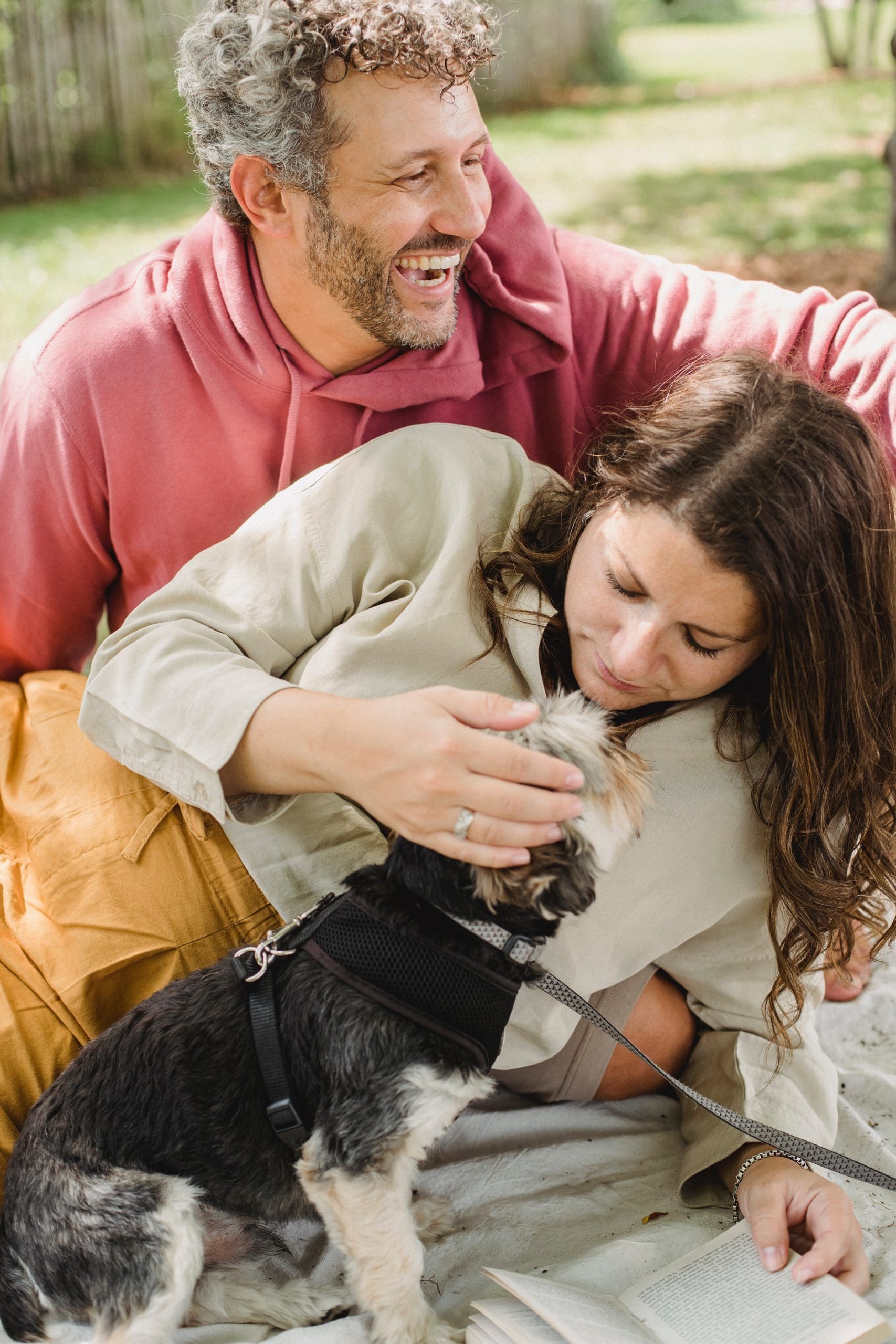
Why do dogs lick furniture?
Post Date:
January 17, 2026
(Date Last Modified: February 5, 2026)
When you first notice your dog licking the coffee table leg or the sofa cushion, it can feel trivial — until the habit starts to cost you scratched finishes, stained fabric, or health worries. Paying attention to where, when, and how often your dog licks furniture gives you practical clues about whether the behavior is harmless curiosity, a stress response, or a sign that a vet visit would be worthwhile.
Why this behavior matters to every dog owner
Furniture-licking matters for four straightforward reasons. First, it can damage household items or transfer harmful residues to your dog’s mouth; varnish, cleaning product traces, or crumbs left in seams can cause problems over time. Second, the pattern of licking is often an early, visible sign of underlying health or emotional issues that are easier to address when caught early. Third, understanding the cause helps you choose priorities for training or enrichment instead of using blunt, ineffective fixes. Finally, knowing the difference between a benign habit and a red-flag behavior helps you decide when to consult a veterinarian or behavior specialist.
I typically see owners dismiss minor licking until it becomes persistent. Catching it early saves money and stress: small adjustments to routine or enrichment often stop the licking before it becomes compulsive or causes skin problems.
Quick take — what you need to know right now
Most furniture-licking falls into a few broad categories. Some licking is harmless exploration or a taste response to residual food or sweat; other licking is driven by attention-seeking, boredom, or anxiety; and a smaller subset is likely linked to medical issues such as nausea, oral pain, or nutrient imbalances. If the licking is excessive, sudden, accompanied by weight loss, vomiting, lethargy, oral bleeding, or behavioral escalation, you should contact your veterinarian promptly.
- Common harmless reasons: taste, grooming, exploration and habit.
- Behavioral drivers: attention-seeking, boredom, stress or routine disruption.
- Possible medical causes: nausea, dental or oral pain, parasite or metabolic issues.
- When to call a vet: sudden or rapid escalation, physical signs (vomit, blood, lethargy), open sores from licking.
Biology of licking: hunger, scent and stress responses
Licking is a normal canine behavior with several overlapping biological roles. Dogs sample their environment through taste and scent receptors in the mouth; where humans use hands, dogs often use tongues. If a cushion has the faint smell of dinner or human sweat, a dog may lick to gather more information. This oral sampling is an exploratory response more than a deliberate destructive act.
Some licking is rooted in grooming and social instincts. Puppies lick mothers and littermates as a bonding and appeasement behavior; adult dogs retain those oral gestures in interactions with people and objects. Licking can also be calming: physiologically it may help lower arousal. For dogs prone to anxiety, repetitive licking is likely linked to a self-soothing function that temporarily reduces stress hormones.
In other cases, oral behavior may reflect internal discomfort. Dogs with nausea or mild gastrointestinal upset sometimes lick surfaces more often, possibly seeking to stimulate salivation or reduce a queasy feeling. Similarly, dental pain or an irritated mouth may lead a dog to lick non-food surfaces because chewing or mouthing is uncomfortable.
How the home and routine trigger furniture licking
The specific surfaces, smells, timing, and household context strongly influence licking. Some materials trap food particles or human skin oils more than others; wood arms or fabric seams can hold crumbs or sweat that attract a dog’s tongue. Even varnish or certain finishes can have odors that a dog finds interesting. Cleaning with scented products can either discourage or attract licking depending on the scent and residue left behind.
Daily routine matters. Licking that happens at predictable times — after the household sits down for TV, or right before you leave the house — often connects to attention-seeking or boredom. Gaps in physical exercise or mental stimulation make lick-driven behaviors more likely because the dog is looking for something to do that produces immediate feedback.
Household changes are common triggers. Moving, guests, a new baby, or a new pet can increase stress and uncertainty; some dogs respond by licking surfaces more often. Owner responses matter too: if you give attention (even negative attention) when your dog licks a chair, you may unintentionally reinforce the behavior. For example, pushing the dog away or scolding often yields a big reaction that can be rewarding to a dog seeking engagement.
When licking signals a health problem: red flags for owners
Occasional licking is unlikely to harm most dogs, but certain signs change the conversation from “behavior” to “medical concern.” Excessive, compulsive licking that causes sores, scabs, or hair loss warrants prompt action. Open wounds from persistent rough licking can become infected and are painful for the dog. If you see redness, hairless patches, or oozing skin where the tongue reaches, schedule a vet visit.
Systemic signs that suggest a medical cause include vomiting, diarrhea, poor appetite, weight loss, or lethargy accompanying the licking. Sudden onset or rapid escalation of licking behavior also raises concern for an acute medical issue. Oral signs such as persistent drooling, bad breath, visible mouth pain, or blood in saliva suggest dental disease or oral injury and should be evaluated sooner rather than later.
Compulsive-type licking — repetitive, ritualized, and resistant to distraction — may be tied to neurological, hormonal, or psychiatric conditions. If the behavior continues despite environmental changes, or if the dog appears trance-like while licking, document timing and triggers and bring that information to your veterinarian or a behaviorist.
What to do first: an owner’s practical checklist
Start with careful observation. Spend several days logging when the licking happens, how long it lasts, what surface is targeted, and what was occurring immediately before and after. A short video clipped to your phone can be extremely helpful for a vet or behaviorist and removes reliance on memory.
Next, remove obvious temptations. Wipe or wash the areas your dog licks with a pet-safe, fragrance-free cleaner to eliminate food residues or human odors. Avoid harsh chemicals that leave strong residues; if you must use a product with scent, rinse it well and allow the surface to air out. If the smell is the lure, cleaning often reduces the behavior quickly.
Try simple redirection techniques: offer a chew, a short training session, or a five- to ten-minute enrichment activity when you notice the dog heading for the furniture. For many dogs, a single, reliable replacement behavior that earns a reward is enough to break a habit. If you suspect a medical cause or you find skin damage, bleeding, or systemic symptoms, arrange a veterinary exam rather than attempting only behavioral fixes.
Training techniques and home adjustments to curb licking
Longer-term change relies on teaching alternatives and managing the environment. Train clear cues such as “leave it” and “place” so your dog understands where they should direct their mouth and attention. Use positive reinforcement: reward the dog when they choose an approved activity over licking the furniture. Short, frequent training sessions tend to work better than long, infrequent ones.
Increase both physical exercise and mental enrichment. A tired dog is less likely to engage in licking out of boredom. Puzzle feeders, obedience practice, nosework games, or short runs can reduce the time available for unwanted habits. In my experience, adding two 10–15 minute targeted enrichment sessions daily often halves low-level lick behaviors in a few weeks.
Provide safe oral outlets. Vet-approved chew toys, long-lasting dental chews (used under supervision), frozen Kong-style treats, or lick mats spread with plain yogurt or pumpkin can satisfy the oral need without damaging your furniture. Rotate items so novelty remains; dogs quickly habituate to the same toy if it’s always available.
Finally, adjust how you respond. Avoid giving your dog high-value attention immediately after they lick the furniture. Instead, wait until they stop and then reward the alternative behavior you want to see. Consistency from everyone in the household is critical; mixed messages prolong the problem.
Recommended tools, safe deterrents and enrichment ideas
Several low-risk tools can help when used appropriately. Bitter deterrent sprays formulated for pets may discourage a dog from licking a particular spot, but test a small area first for finish compatibility and follow product instructions. Use non-toxic household cleaners to remove food and sweat odors — enzyme cleaners are useful for organic residues. For oral stimulation, lick mats and puzzle feeders occupy the mouth and mind without creating escape behaviors.
Choose chews and supplements carefully. Not all dental chews are appropriate for every dog; some have high calorie content or hard textures that can break teeth in chewers. Consult your veterinarian before adding oral supplements or strong-tasting deterrents, especially if your dog has a history of gastrointestinal sensitivity or allergies. For persistent or severe licking, a consultation with a veterinary behaviorist may be the most efficient path to a tailored plan.
References and further reading
- Merck Veterinary Manual — “Compulsive Disorders in Dogs and Cats” (Merck Veterinary Manual online chapter on animal behavior).
- American Veterinary Medical Association — “Recognizing and addressing changes in your pet’s behavior” (AVMA client resources on behavioral signs and when to seek care).
- American College of Veterinary Behaviorists — “Resources for pet owners and how to find a board-certified veterinary behaviorist” (ACVB owner guidance and directory).
- Journal of Veterinary Behavior — review articles on canine compulsive behaviors and environmental enrichment strategies (see recent reviews in J Vet Behav and Applied Animal Behaviour Science for evidence-based approaches).
- ASPCA — “Licking, Chewing, and Biting” guidance for pet owners on common causes and management strategies.
