
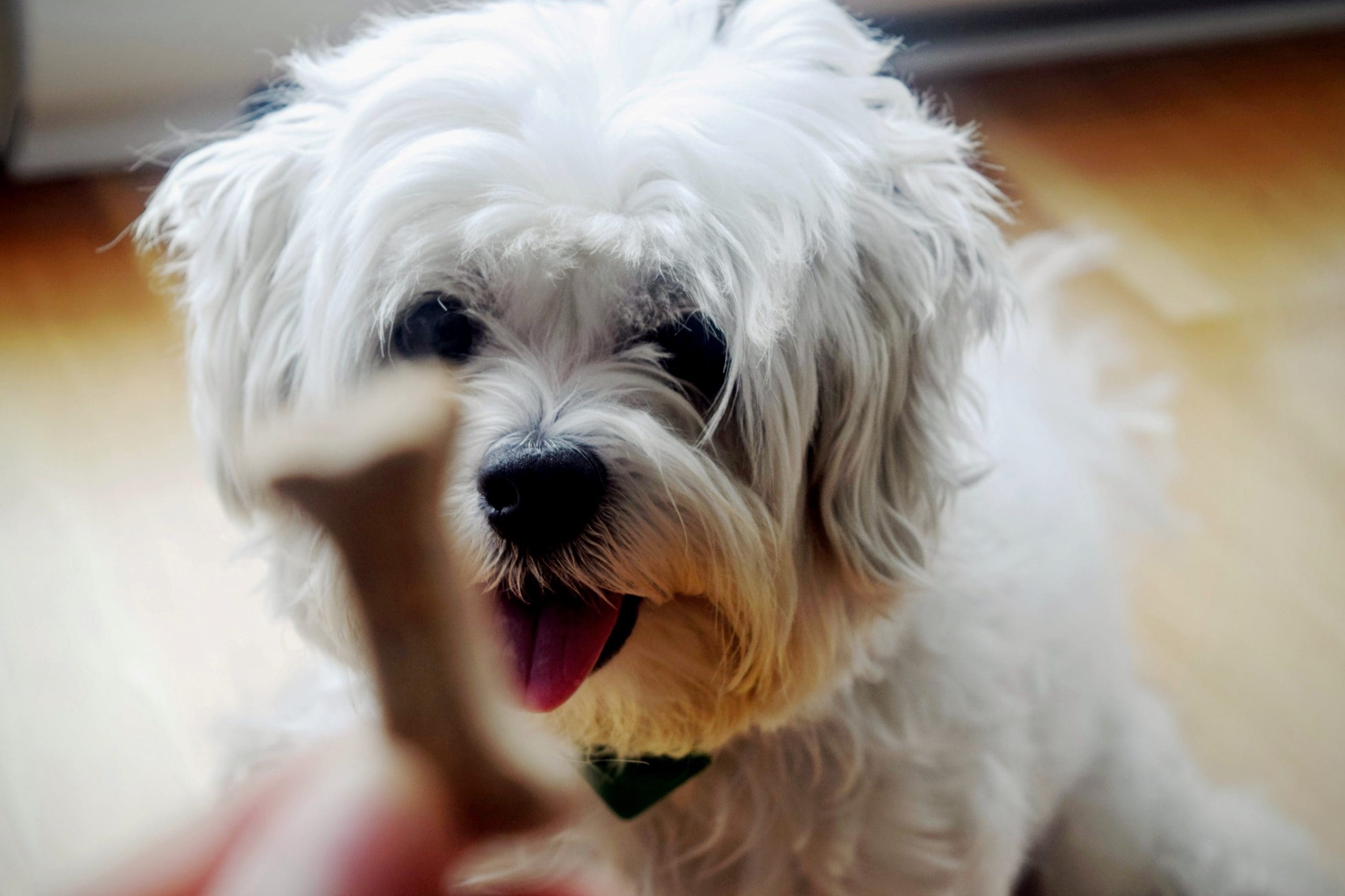
Why do dogs kiss each other?
Post Date:
December 22, 2025
(Date Last Modified: February 5, 2026)
Dogs lick faces — often called “kisses” — in ways that can be affectionate, investigative, or stress-related. For dog lovers who want to deepen bonds, reduce misunderstandings in multi-dog households, or prevent injuries and illness, a practical understanding of this behavior is useful. Below I explain what this action likely means, when it matters, and what to do in everyday situations.
For Dog Lovers: What a ‘Kiss’ Actually Reveals
Owners notice face-licking at greetings, during play, and in tense moments. Recognizing whether a lick is a friendly hello, an information-seeking behavior, or a sign of anxiety helps you manage social harmony and keep dogs safe. I typically see owners misread energetic licking as affection when the underlying driver is excitement that can escalate into snapping or mounting.
Understanding licking is also about enrichment. When you respond appropriately — rewarding calm greetings, providing scent-rich play, or redirecting nervous licking — you improve emotional balance. That reduces conflict between dogs and makes interactions with people more predictable.
Finally, correct interpretation can prevent health or social problems. If licking is a substitute for calmer communication, ignoring the context may let stress build. Conversely, overreacting to a harmless lick can create unnecessary restriction and frustration for the dog.
In Brief — the Core Reason Dogs Kiss Each Other
In brief: dogs lick faces to greet and affiliate, to collect scent and taste information, and as an appeasement or reassurance behavior that may echo maternal care. A single lick at a calm moment is most often a friendly or investigative gesture; repeated frantic licking frequently points to excitement, anxiety, or a learned attention-getting tactic.
What a ‘Kiss’ Communicates and the Biology Behind It
Face-to-mouth contact carries social meaning. In free-ranging canids and domestic packs, close-mouth contact helps maintain bonds and signals affiliation. When a dog leans in and licks slowly, the posture, ear position, and tail movement usually reinforce a friendly message.
Scent and taste play a major role. Dogs have highly developed olfactory systems and taste receptors that pick up chemical cues from skin, breath, and secretions. Licking another dog’s face is likely linked to gathering information about recent meals, health status, reproductive state, or emotional arousal. Pup-to-mother licking during weaning is a clear example of information transfer that may persist into adulthood.
Submission and appeasement are often on display with mouth contact. A dog that approaches with lowered body, a soft gaze, and gentle licking is providing signals that it does not intend to threaten. That pattern may help de-escalate tension in social groups. I see maternal remnants in adults — behaviors that look nurturing but function socially, calming both parties.
Common Triggers: When Dogs Initiate Affectionate Licks
- Greeting contexts: Dogs commonly lick when meeting housemates, visiting dogs, or their humans. Licks during calm greetings tend to be slow; during high-arousal greetings they are more frantic.
- Stress, anxiety, and calming-seeking moments: A dog under stress may lick another’s face or a person to solicit comfort or reduce its own tension; repeated licking can be a displacement behavior.
- Play, food-related investigation, and grooming contexts: Licking occurs around food or toys as an information-gathering action and during play as part of reciprocal contact that mimics grooming.
- Age, breed, and temperament differences: Puppies and some sociable breeds lick more; shy or older dogs may rarely lick. Individual history — socialization and reinforcement — shapes frequency.
Health Red Flags: When a ‘Kiss’ Could Signal a Problem
Most face-licking is benign, but some patterns warrant attention. Excessive or compulsive licking — when it occupies a large portion of waking time or continues despite distraction — may indicate pain, anxiety, or dermatologic problems and should prompt veterinary input.
Sudden aggression around face contact, bites to the muzzle, or persistent wounds on the face are immediate red flags. If one dog repeatedly snaps when another dog approaches the face, intervene safely and consult a behaviorist to prevent escalation.
There are also infection and parasite risks. Open wounds, discolored saliva, or a dog that develops facial swelling after repeated contact may have a local infection or vector-borne issue. While zoonotic transmission from dogs to humans via a lick is uncommon, broken skin and immunocompromised individuals should avoid direct face contact.
Practical Actions Owners Can Take After a Kiss
- Observe body language and context before intervening. Look for soft eyes, relaxed mouth, and loose posture (friendly). Tense posture, pinned ears, or a fixed stare suggests problems.
- If energy is high, calmly separate dogs and give both a short cooling period. Use a leash or move one dog to another room rather than scolding — abrupt punishment can increase stress.
- Redirect overexuberant licking to alternative behaviors: ask for sit, down, or nose-target, then reward calm compliance. Reinforce short, composed greetings with treats and praise.
- When people are recipients, teach dogs to wait politely at a hand distance. Reward brief nose contact instead of face-licking and gradually increase expectations for calm before interaction.
- Seek veterinary or behavioral help if licking is excessive, associated with wounds or aggression, or if you suspect compulsive patterns. A combined medical and behavior approach is often needed.
Setting the Scene: Environment Changes and Training Strategies
Prevention is simpler than crisis management. Establish consistent greeting routines: ask dogs to sit before meeting, use parallel approaches for new introductions, and control height differences by having dogs meet on neutral ground. I often recommend staged, short meet-and-greets for multi-dog households, progressively increasing time together while watching for subtle tension signs.
Controlled socialization helps shape better responses. Early exposure to a range of calm dogs and people teaches puppies context-appropriate behavior; older dogs can be reconditioned through carefully managed exposure combined with positive reinforcement for calm behavior. If your dog becomes aroused by excitement, teach cues like “settle” and “leave it” and prize them with high-value reinforcement when followed.
Gentle mouth control can help in specific cases: training a reliable drop or leave-it, and rewarding mouth relaxation at eye level, reduces the likelihood of intrusive face-licking. Management tools such as rotating access to shared spaces, supervised play, and controlled on-leash introductions lower the chance of unwanted interactions escalating.
Gear, Hygiene, and Tools to Keep Canine Kisses Safe
Use management gear to increase control without creating fear. A well-fitted harness and a short leash let you maintain position during introductions. If a dog poses a clear risk to others, a properly conditioned basket muzzle can prevent bites while allowing panting and drinking — it should never be used as punishment.
Hygiene helps reduce health transfer and keeps wounds clean. Keep dog-safe antiseptic wipes on hand for quick cleanup of minor face stains; avoid human antiseptics unless advised by a vet. When feeding or greeting, use portable mats or a small barrier to separate headspaces if specific dogs show resource guarding or obsession with another’s mouth area.
For families concerned about face-licking on people, teach alternative greeting behaviors and maintain hand and face hygiene: wash open cuts promptly and keep children’s faces protected during interactions. If a person in the household is immunocompromised, discuss additional precautions with your veterinarian.
If the Behavior Persists: When to Seek Veterinary or Behavioral Help
If face-licking is persistent and accompanied by other worrying signs — repetitive pacing, destruction, bite incidents, or self-trauma — a combined veterinary and behavioral assessment is prudent. Medical causes such as dental pain, dermatologic disease, or neurologic issues can drive unusual licking and must be ruled out.
Behavioral intervention typically blends management, counter-conditioning, and skill training. I often recommend a staged plan: identify triggers, reduce opportunities for the problem behavior, teach alternative behaviors robustly with high-value rewards, and gradually reintroduce controlled social situations. Certified applied animal behaviorists and veterinary behaviorists can create individualized plans when basic steps fail.
Where This Research Comes From: Sources and Further Reading
- Merck Veterinary Manual: “Canine Behavior” and “Lick Granuloma” sections — Merck Veterinary Manual, Merck & Co.
- AVSAB (American Veterinary Society of Animal Behavior) Position Statements — practical guidance on separation, greeting, and social behavior.
- Overall, K. L., Clinical Behavioral Medicine for Small Animals — textbook on assessment and treatment strategies for problem behaviors.
- Horowitz, A., Inside of a Dog: What Dogs See, Smell, and Know — accessible review of canine perception and social signaling.
- Journal article: Siniscalchi, M., Rogers, L. J., & Quaranta, A. (2013). The use of olfaction in canine social behavior — peer-reviewed work on scent and communication.
